Biohacking nutrition: nutrigenomics and metabolic optimization
Functional Nutrition 2026

Nutrition: Fuel Your Biology With Precision

Beyond diets. Master the science of nutrigenomics, metabolic flexibility, and chrononutrition to optimize every metabolic pathway in your body.

Latest Nutrition Research

Walking After Eating: The 10-Minute Trick That Beats Metformin for Blood Sugar (2026)
NUTRITION

Walking After Eating: The 10-Minute Trick That Beats Metformin for Blood Sugar (2026)

Nature's metered dose. Why a simple stroll after eating creates a 'glucose sink' in your muscles that pharmaceuticals can't replicate.

24 min read•June 1, 2026
Top NAD Supplements for Enhanced Energy
NUTRITION

Top NAD Supplements for Enhanced Energy

NAD supplements are gaining popularity for their potential to boost energy and support healthy aging. Explore the best NAD supplements on the market, their benefits, and how to choose the right one.

23 min read•May 24, 2026
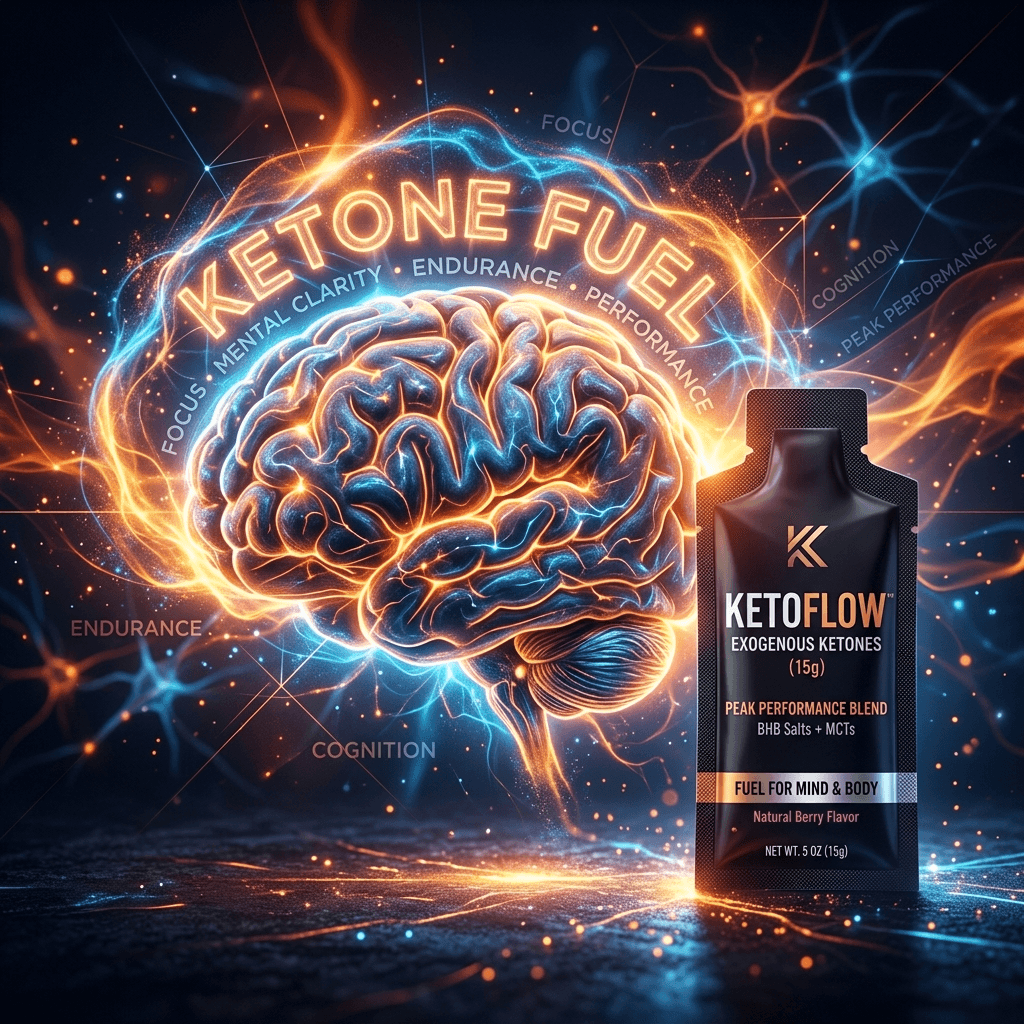
Exogenous Ketones & Keto IQ: Biohacker's Cognitive Guide
NUTRITION

Exogenous Ketones & Keto IQ: Biohacker's Cognitive Guide

How BHB salts and esters bypass the blood-brain barrier to fuel cognitive 'flow states' without strict ketogenic restrictions.

27 min read•May 20, 2026
Deuterium-Depleted Water: Is Deuterated Water a Longevity Cure?
NUTRITION

Deuterium-Depleted Water: Is Deuterated Water a Longevity Cure?

Exploring the fringe science of heavy hydrogen. Is Deuterium-Depleted Water the ultimate cellular detox or expensive snake oil?

17 min read•May 8, 2026
What Is a Carnivore Diet? Impact on Gut Microbiome (2026)
NUTRITION

What Is a Carnivore Diet? Impact on Gut Microbiome (2026)

A metagenomic look at what happens to your gut flora when you eliminate plants. Adaptation vs. extinction in the biohacker's gut.

19 min read•April 27, 2026
Best Longevity Supplements Stack 2026: Science-Backed Stacking
NUTRITION

Best Longevity Supplements Stack 2026: Science-Backed Stacking

Swallowing 40 pills a day? You're probably doing it wrong. Learn the fatal interactions hiding in your supplement drawer and discover the evidence-backed stack that actually works.

28 min read•April 18, 2026
How to Lose Weight Fast: Fasting Protocols for Women
NUTRITION

How to Lose Weight Fast: Fasting Protocols for Women

Most mainstream fasting protocols were made by men, for men. Uncover the dangers of OMAD for female hormones and learn to map your biohacks dynamically to your infradian rhythm.

23 min read•April 10, 2026
Heavy Metals in Protein Powder: Best Clean Protein Powder
NUTRITION

Heavy Metals in Protein Powder: Best Clean Protein Powder

Are your supplements hiding toxic secrets? We explore the hidden risks of arsenic, lead, and cadmium in protein powders and show you how to identify truly clean brands through 3rd-party certifications.

18 min read•March 24, 2026
Nutrient Density vs Calories: Cellular Energy Optimization
NUTRITION

Nutrient Density vs Calories: Cellular Energy Optimization

Stop counting calories and start counting nutrients. We explore why the "Calories In, Calories Out" model is failing biohackers and how micronutrient-per-bite optimization is the true key to sustained energy.

17 min read•March 16, 2026
Natural GLP-1 Foods That Help You Lose Weight Without Ozempic
NUTRITION

Natural GLP-1 Foods That Help You Lose Weight Without Ozempic

Weight loss injections are dominating the news, but you can trigger the exact same biological pathways naturally. Learn the specific food protocols that skyrocket your endogenous GLP-1.

25 min read•March 10, 2026
Fibermaxxing: How the Gut Microbiome Drives Aging & Longevity
NUTRITION

Fibermaxxing: How the Gut Microbiome Drives Aging & Longevity

Forget probiotics. "Fibermaxxing" is the ultimate longevity trend of 2026. Discover how specific fermentable fibers reduce biological age faster than most premium supplement stacks.

21 min read•March 8, 2026
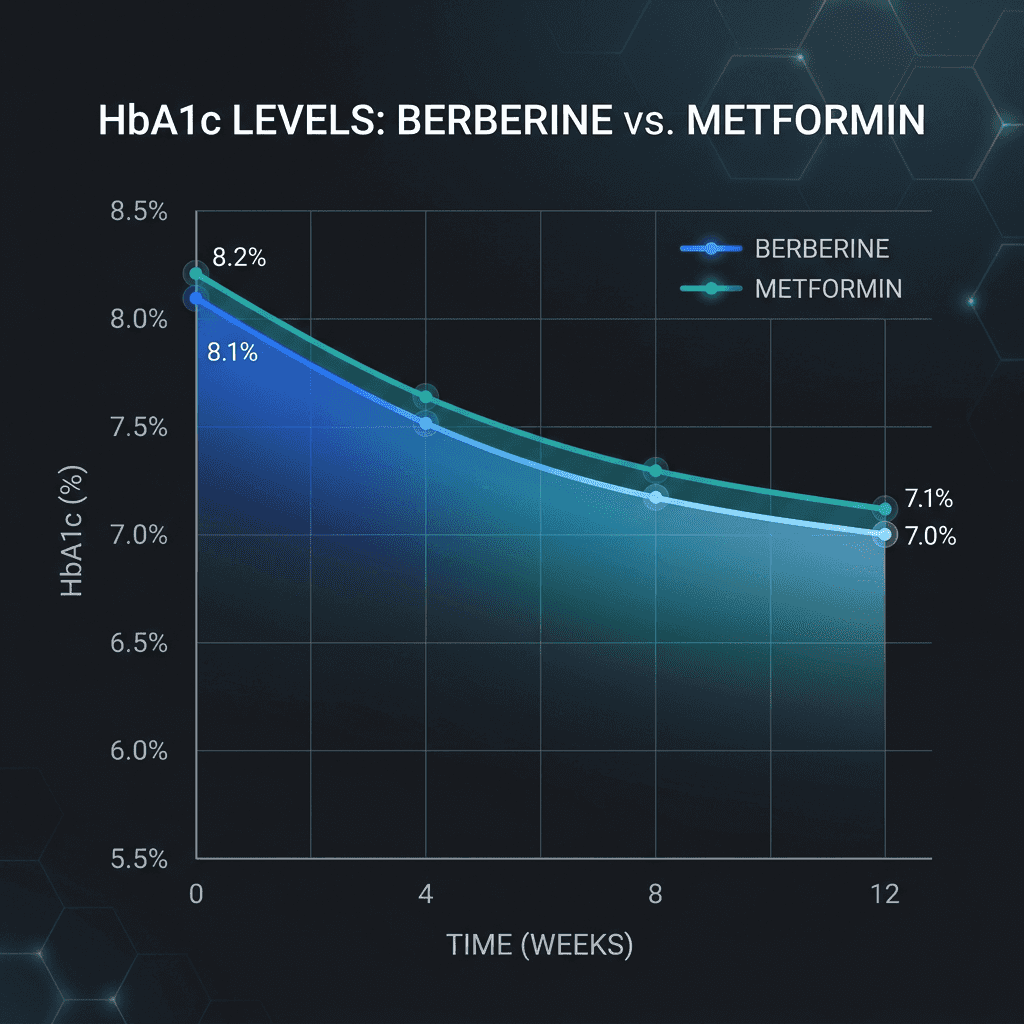
Berberine vs Metformin: Natural Glucose Control & Benefits
NUTRITION

Berberine vs Metformin: Natural Glucose Control & Benefits

Berberine and Metformin are two popular options for blood sugar control and diabetes management. We explore their effectiveness, mechanisms of action, and health benefits.

30 min read•March 6, 2026
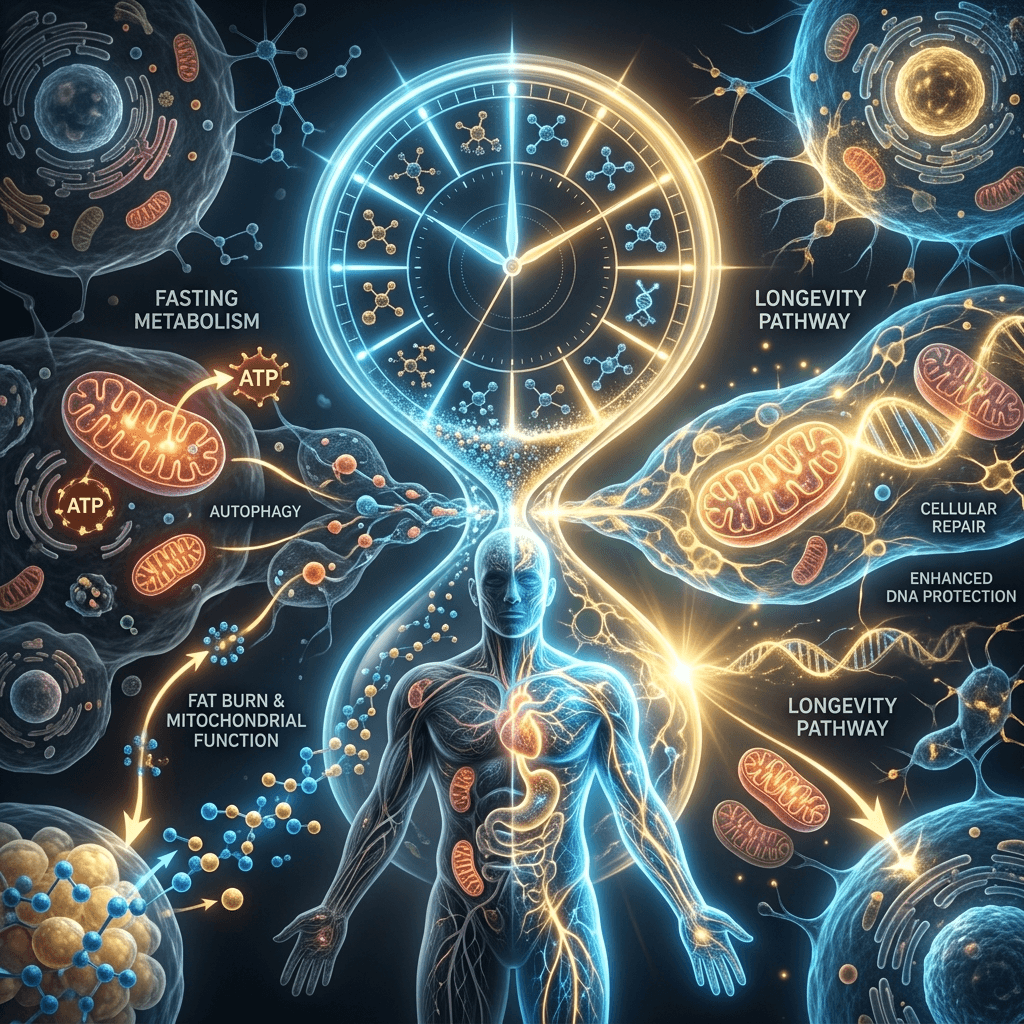
16:8 Intermittent Fasting vs. 36 Hour Fast: Ultimate Guide
NUTRITION

16:8 Intermittent Fasting vs. 36 Hour Fast: Ultimate Guide

Intermittent fasting is not a restrictive diet; it's the fundamental chronobiological rhythm of human DNA. Discover the precise biochemistry of the 16:8 protocol, exactly how to effortlessly burn visceral body fat, and the specific rules for breaking your fast without triggering a massive inflammatory metabolic crash.

25 min read•March 1, 2026
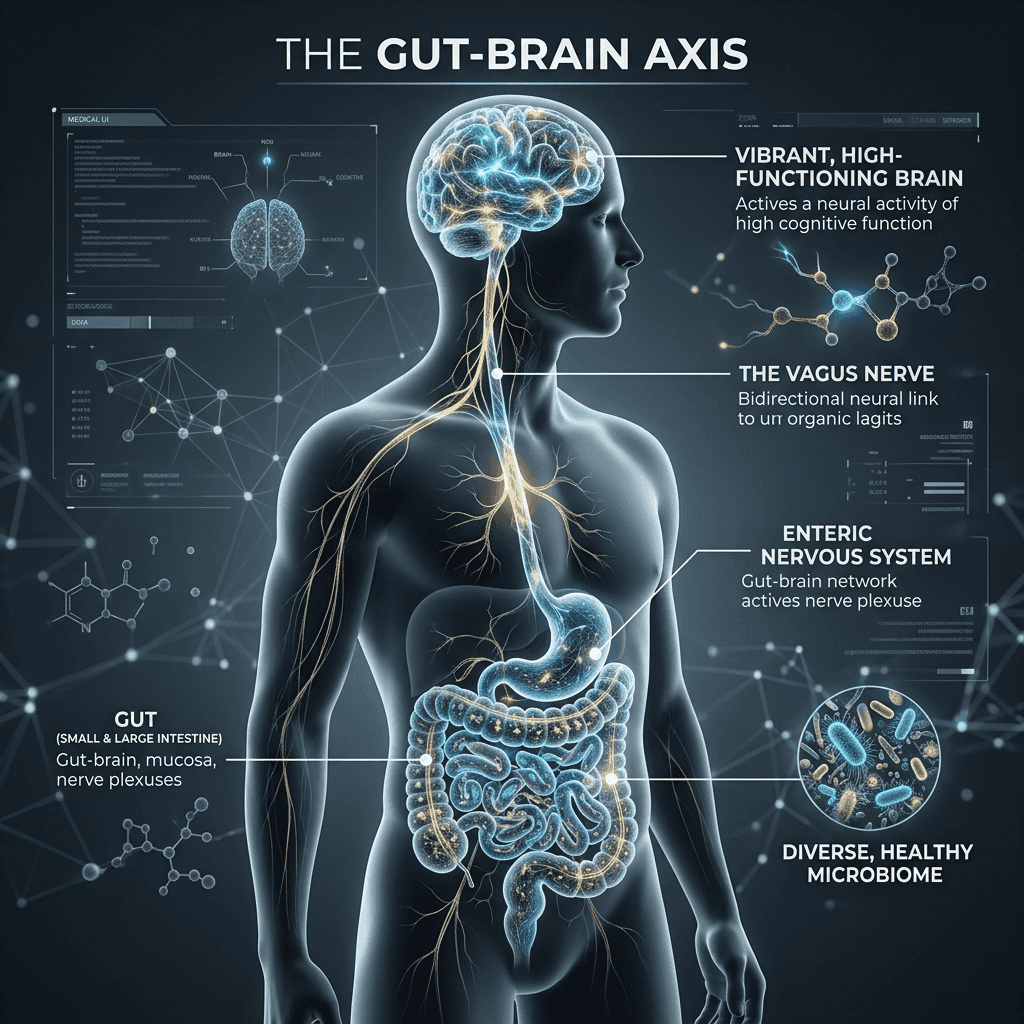
Gut-Brain Axis 2026: How to Improve Gut Health Fast
NUTRITION

Gut-Brain Axis 2026: How to Improve Gut Health Fast

Your gut is your second brain. Learn how the 100 trillion bacteria in your microbiome produce 95% of your serotonin and dictate your mood, anxiety levels, and cognitive clarity.

25 min read•February 28, 2026
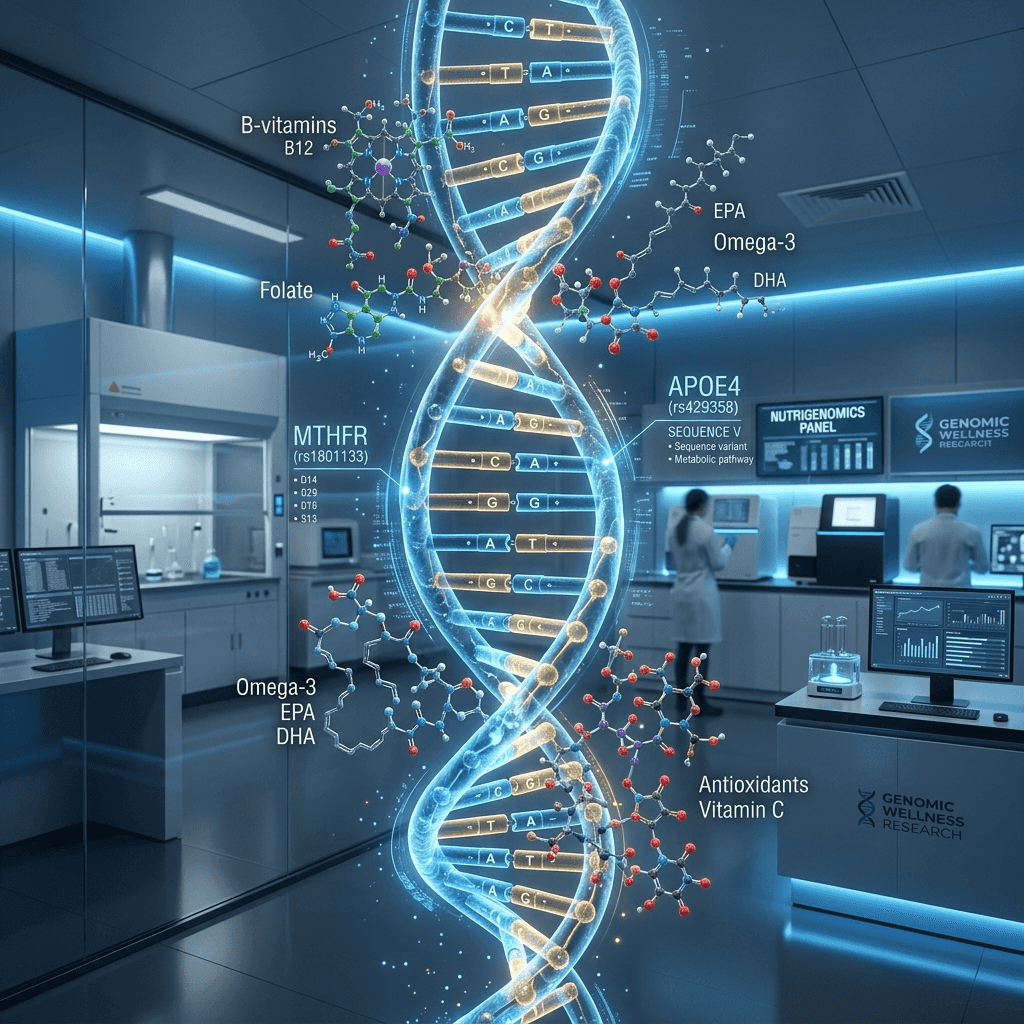
Nutrigenomics 2026: MTHFR Gene & APOE Optimization
NUTRITION

Nutrigenomics 2026: MTHFR Gene & APOE Optimization

Your DNA is not your destiny, but it's your instruction manual. Discover how common genetic variants like MTHFR and APOE4 dictate exactly how your body processes fats and B-vitamins, and why "healthy" foods for others might be toxic for your specific genome.

19 min read•February 26, 2026
Best Collagen Powder 2026: Hydrolyzed vs Peptides Science
NUTRITION

Best Collagen Powder 2026: Hydrolyzed vs Peptides Science

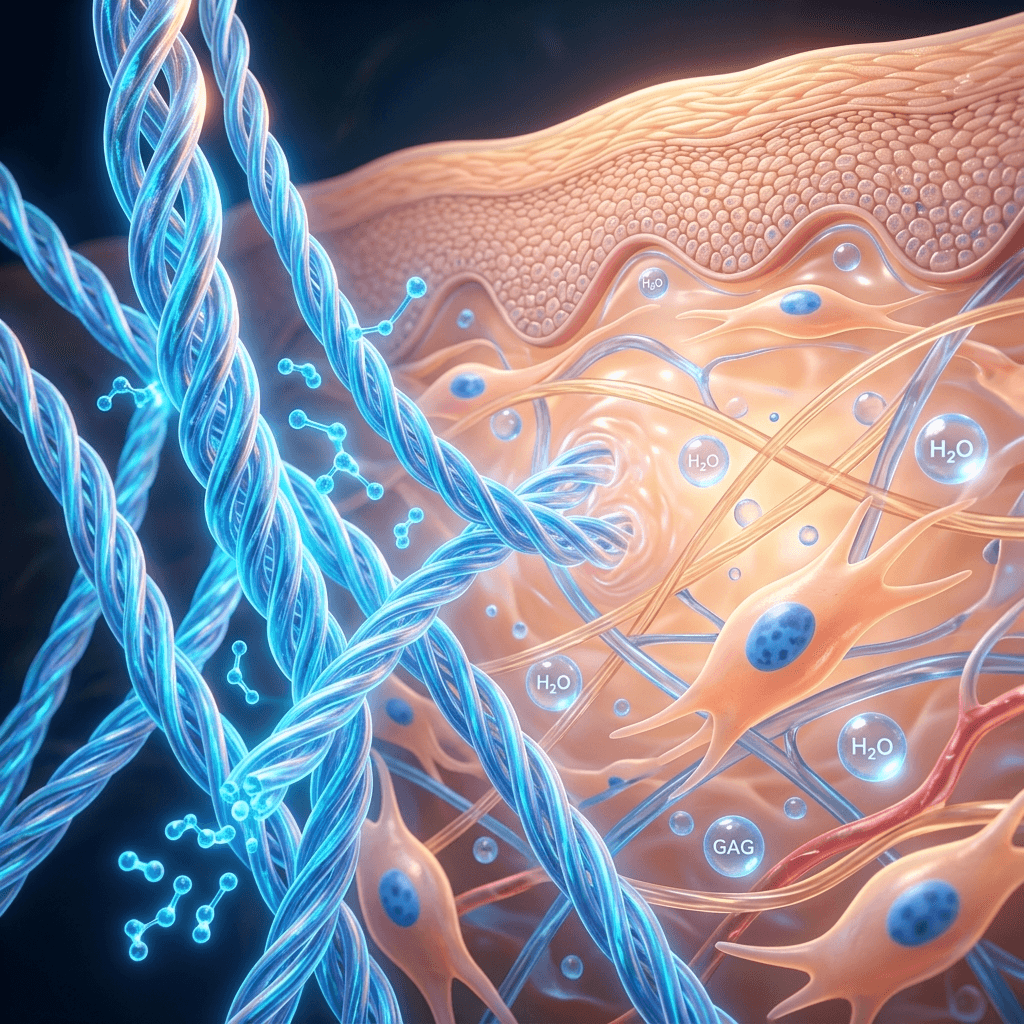
The supplement industry wants you to believe that taking any cheap collagen powder will magically erase your wrinkles. Discover the brutal biochemical truth about peptide Dalton weight, amino acid sequencing, and why 90% of commercial collagen is completely destroyed by your stomach acid.

31 min read•February 15, 2026
Metabolic Flexibility Diet: How to Speed Up Metabolism & Lose Fat
NUTRITION

Metabolic Flexibility Diet: How to Speed Up Metabolism & Lose Fat

The modern human is trapped in a relentless, exhausting cycle of carbohydrate dependency. Discover how to mathematically retrain your mitochondria to burn stored body fat for endless, clean cellular energy, utilizing Continuous Glucose Monitors and strict metabolic conditioning.

23 min read•February 11, 2026
Creatine for Brain Health: How to Improve Brain Function
NUTRITION

Creatine for Brain Health: How to Improve Brain Function

Beyond muscle: Discover why Creatine Monohydrate is a critical neuroprotective agent and metabolic stabilizer for the aging brain, according to 2026 clinical data.

23 min read•February 9, 2026
Anti-Inflammatory Diet 2026: Best Anti-Inflammatory Foods
NUTRITION

Anti-Inflammatory Diet 2026: Best Anti-Inflammatory Foods

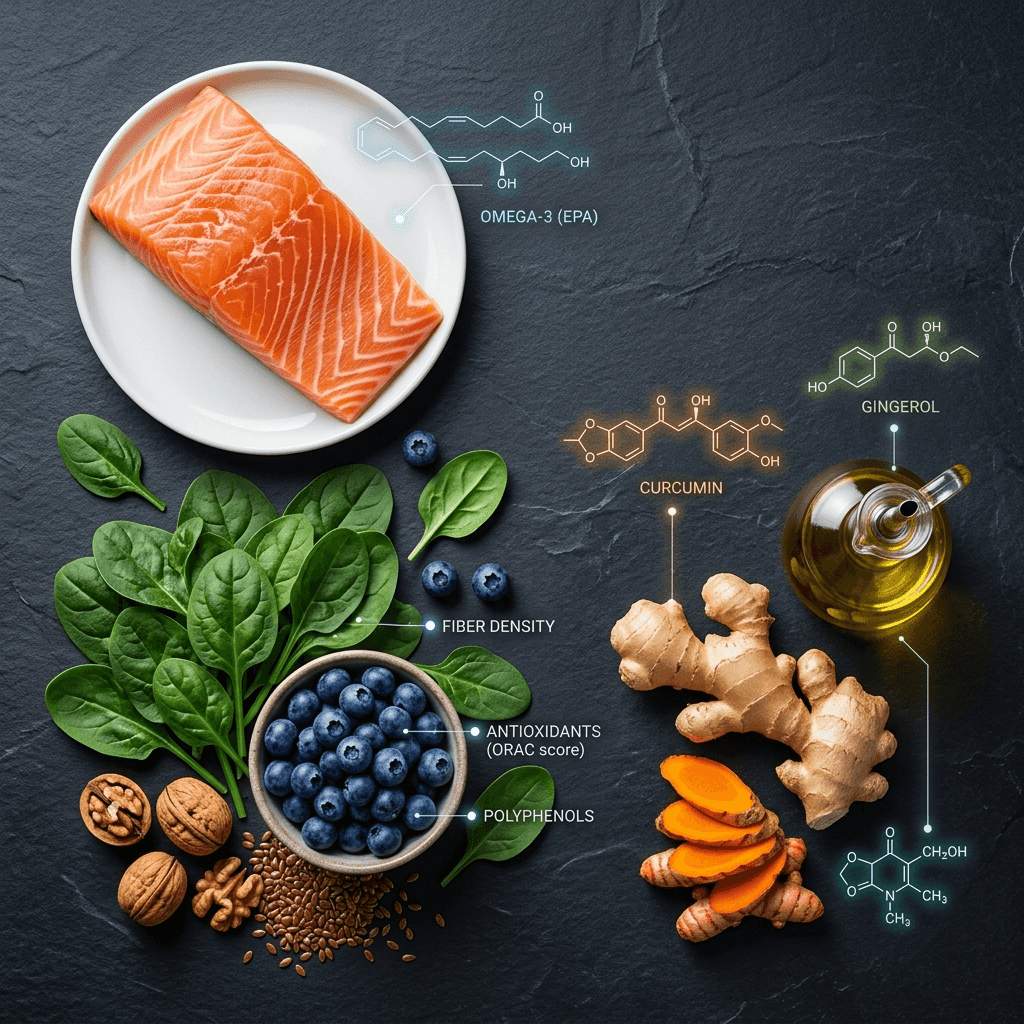
Stop chronic low-grade inflammation before it stops you. We deconstruct the biochemistry of 'Inflammaging' and provide a 12-week professional nutritional protocol based on Omega ratios and molecular food signals.

21 min read•February 6, 2026
What Are Nootropics? Top 5 Natural Focus Boosters (2026)
NUTRITION

What Are Nootropics? Top 5 Natural Focus Boosters (2026)

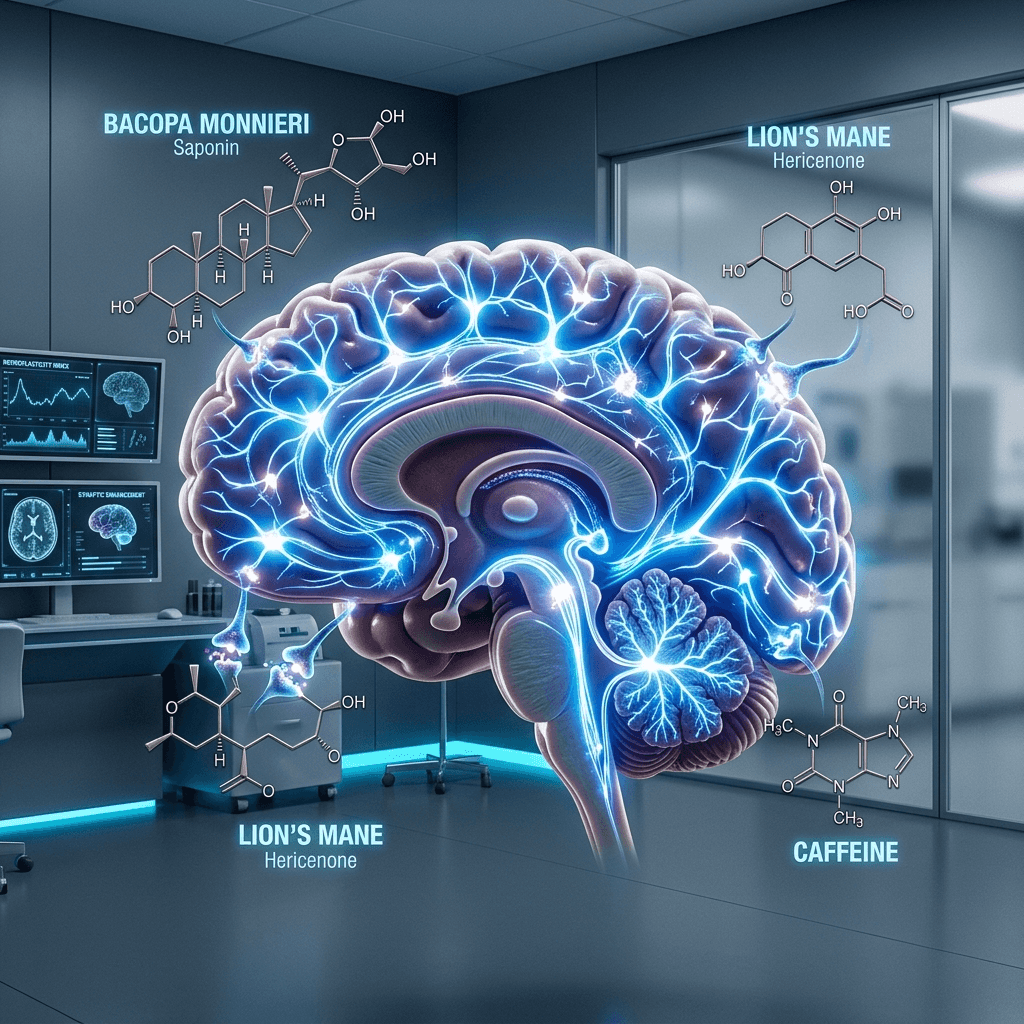
Master your cognitive performance without prescriptions. We deconstruct the top 5 science-backed natural nootropics for neurogenesis, brain-derived neurotrophic factor (BDNF), and sustained deep focus.

18 min read•February 2, 2026

Beyond Diets: The Biohacker's Nutrition Framework

The conventional approach to nutrition—calories in, calories out, food pyramids, and one-size-fits-all dietary guidelines—has failed the modern human. Despite decades of nutritional advice, rates of metabolic syndrome, type 2 diabetes, and obesity continue to climb. The biohacking approach to nutrition rejects this paradigm entirely. Instead of following population-level dietary recommendations, we treat nutrition as a personalized biological intervention—one that should be calibrated to your unique genetic profile, metabolic status, circadian rhythm, and health goals.

Nutrigenomicshas revealed that genetic variants like MTHFR C677T (which affects folate metabolism and methylation), APOE ε4 (which alters lipid processing and Alzheimer's risk), FTO rs9939609 (which influences appetite regulation and fat storage), and COMT Val158Met (which affects caffeine and catechol metabolism) create fundamentally different nutritional requirements between individuals. What is "healthy" for one person may be inflammatory or even harmful for another. A biohacker uses genetic testing, continuous glucose monitoring, and comprehensive blood panels to build a nutrition protocol that is data-driven, not dogma-driven.

The three pillars of biohacked nutrition are: metabolic flexibility (the ability to efficiently switch between glucose and fat oxidation), chrononutrition (aligning food intake with circadian biology for optimal hormonal responses), and nutrient density optimization (maximizing micronutrient intake per calorie consumed while minimizing anti-nutrients and inflammatory compounds). Together, these pillars create a nutritional framework that supports cognitive performance, physical resilience, gut health, and longevity.
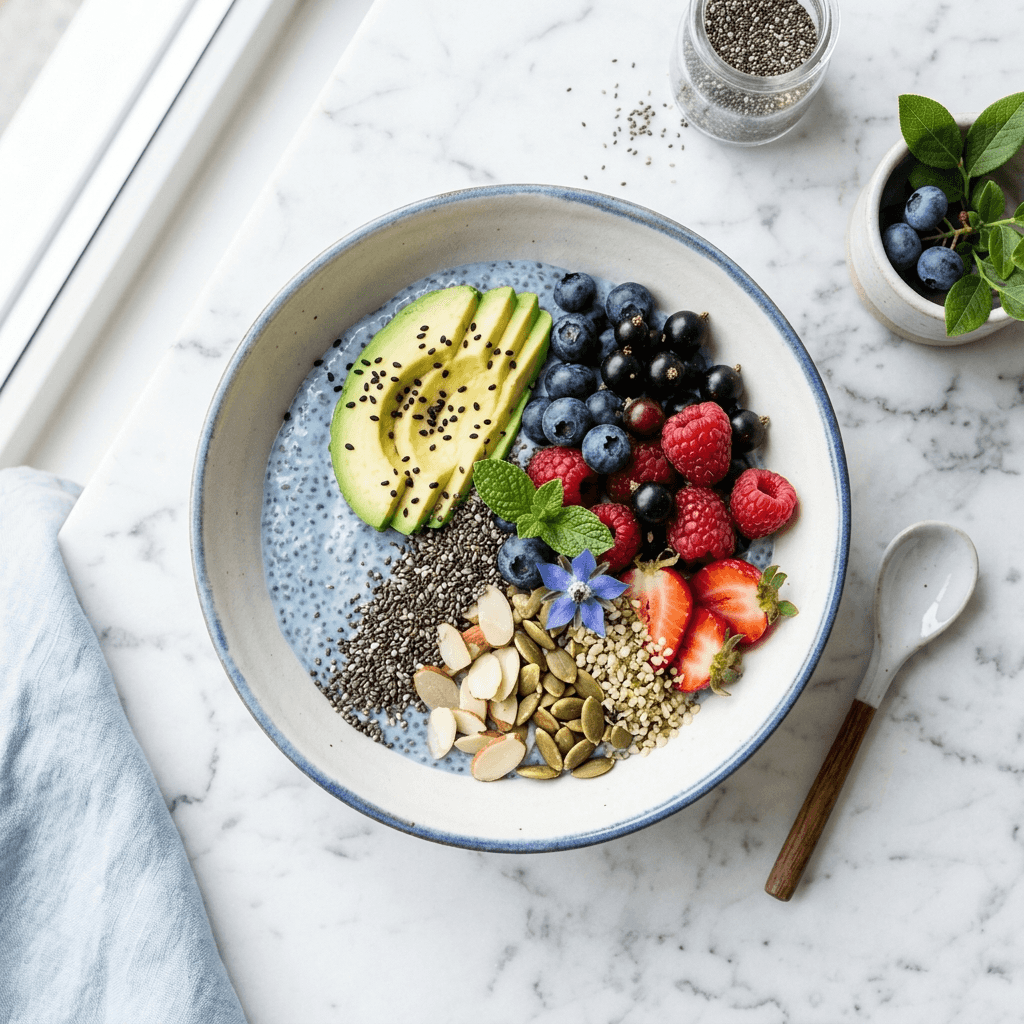

Core Nutritional Protocols

1. Glucose Optimization & Metabolic Flexibility

Blood glucose management is the single most impactful nutritional biohack. Continuous glucose monitoring (CGM) data reveals that the average person experiences 3-5 significant glucose spikes per day, each triggering insulin surges, reactive hypoglycemia, and downstream inflammation. Over years, this "glucose rollercoaster" drives insulin resistance, the root cause of metabolic syndrome.

Practical Interventions: Consuming a "fiber first" meal structure (vegetables → protein/fat → carbohydrates) reduces postprandial glucose spikes by 30-40%. Walking for 10-15 minutes immediately after meals dramatically improves glucose disposal through GLUT4-mediated muscle uptake. Apple cider vinegar (1-2 tbsp diluted before meals) has been shown to reduce post-meal glucose by 20-34% through delayed gastric emptying and enhanced insulin sensitivity.

Glucose Disposal Agents (GDAs): Natural compounds like Berberine (500mg before carb-heavy meals), Ceylon Cinnamon (1-2g/day), and Chromium Picolinate (200-400mcg/day) have clinical evidence supporting their ability to improve glucose partitioning—directing glucose into muscle cells for energy rather than into adipose tissue for storage.

2. Chrononutrition: When You Eat Matters

Chrononutrition is the science of aligning food intake with your body's internal clock. Every organ involved in digestion—the stomach, pancreas, liver, and gut microbiome—follows circadian rhythms. Pancreatic beta cells produce more insulin during daylight hours. Bile acid production peaks in the morning. The gut microbiome exhibits diurnal oscillations in composition and metabolic output.

The Early TRF Protocol: Research from the Salk Institute and others demonstrates that early time-restricted feeding (eTRF)—where the eating window is shifted to the first half of the day (e.g., 7 AM to 3 PM)—produces superior metabolic outcomes compared to conventional late eating patterns. Benefits include a 20-30% improvement in insulin sensitivity, enhanced fat oxidation, lower evening cortisol, and improved sleep onset latency.

Protein Timing: A landmark 2022 study in Cell Reports found that concentrating protein intake in the biological morning (the first 6 hours after waking) significantly enhanced muscle protein synthesis and lean mass retention compared to evening protein consumption, even when total daily protein intake was identical. This has profound implications for aging and sarcopenia prevention.

3. Gut Microbiome Optimization

The gut microbiome contains approximately 38 trillion microorganisms encoding 150 times more genes than the human genome. This "second genome" influences immune function (70% of the immune system resides in the gut), neurotransmitter production (95% of serotonin is produced in the gut), metabolic health, and even mood and cognitive function via the gut-brain axis.

Prebiotic Strategy: Rather than relying solely on probiotic supplements, the biohacking approach prioritizes feeding existing beneficial bacteria with targeted prebiotic fibers. Resistant starch (cooled potatoes, green bananas), inulin (chicory root, garlic), and beta-glucan (oats, mushrooms) promote the production of short-chain fatty acids (SCFAs)—particularly butyrate—which nourish the intestinal lining, reduce gut permeability ("leaky gut"), and exert anti-inflammatory effects systemically.

Microbiome Diversity: The single best predictor of gut health is microbial diversity. Research consistently shows that consuming 30+ different plant species per week is the strongest dietary driver of microbial diversity, far outperforming any single probiotic supplement. This includes vegetables, fruits, nuts, seeds, herbs, spices, and whole grains.

4. Anti-Inflammatory Nutrition

Chronic low-grade inflammation ("inflammaging") is a hallmark of aging and the precursor to virtually every chronic disease. The biohacker's nutritional strategy directly targets inflammatory pathways through specific food choices and the strategic avoidance of pro-inflammatory triggers.

Anti-Inflammatory Foods: Wild-caught fatty fish (sardines, mackerel, wild salmon for EPA/DHA), extra virgin olive oil (oleocanthal, a natural COX-2 inhibitor), turmeric with black pepper (curcumin bioavailability enhanced 2000% by piperine), dark leafy greens (sulforaphane from broccoli sprouts activates NRF2 detoxification pathways), and polyphenol-rich berries (anthocyanins, ellagic acid).

Inflammatory Triggers to Minimize: Refined seed oils high in omega-6 (soybean, corn, canola—which distort the omega-6:omega-3 ratio), ultra-processed foods (which contain emulsifiers that disrupt the gut mucus barrier), excess alcohol (which increases intestinal permeability and liver inflammation), and added sugars (which drive glycation end-products, or AGEs, accelerating cellular aging).

The Ethical Nutrition Standard

At Ethical Biohacking, we categorically reject diet dogma. We are not "keto advocates," "carnivore proponents," or "vegan evangelists." The optimal diet is the one that is calibrated to your specific genetic profile, metabolic markers, microbiome composition, and health goals. What we advocate universally is the methodology: test, measure, iterate, and let the data guide your decisions rather than ideology.

We also recognize the immense privilege embedded in nutritional optimization. Not everyone has access to grass-fed meats, organic produce, or continuous glucose monitors. Our commitment is to always provide accessible alternatives—the 80/20 of nutritional biohacking that delivers the majority of benefits with minimal financial investment: time-restricted eating (free), walking after meals (free), eating more fiber-rich plants (affordable), and prioritizing sleep quality (which dramatically impacts insulin sensitivity at zero cost).

Nutrition FAQ

What is nutrigenomics and why does it matter for biohacking?

Nutrigenomics is the study of how food and nutrients interact with your specific genetic expression. Your genes contain variants (SNPs) like MTHFR, APOE, COMT, and FTO that fundamentally alter how your body processes vitamins, fats, carbohydrates, and caffeine. For example, a person with the APOE4 allele needs to be far more cautious with saturated fat intake than someone with APOE2, as their genetic profile dramatically increases cardiovascular risk from dietary cholesterol. Nutrigenomics allows biohackers to move beyond generic dietary advice and build a personalized fuel strategy based on their unique biochemistry.

What is metabolic flexibility and how do I achieve it?

Metabolic flexibility is your body's ability to efficiently switch between burning glucose (carbohydrates) and fatty acids (fat) for fuel, depending on what is available and what the physiological context demands. A metabolically flexible person can skip a meal without brain fog, exercise in a fasted state without bonking, and transition smoothly between fed and fasted states. The primary drivers of metabolic flexibility are: time-restricted eating (training the body to tap into fat stores), regular zone 2 exercise (building mitochondrial density for fat oxidation), adequate sleep (poor sleep impairs insulin sensitivity by up to 30%), and reducing refined carbohydrate intake to avoid chronic insulin elevation.

Is calorie counting necessary for biohackers?

Calorie counting is a blunt instrument. While thermodynamics still applies (energy balance matters for body composition), the biohacking approach focuses on nutrient density, meal timing, and metabolic signaling rather than raw calorie arithmetic. A 500-calorie breakfast of eggs, avocado, and wild salmon triggers fundamentally different hormonal responses (insulin, GLP-1, ghrelin) than 500 calories of cereal and orange juice—even though the calorie count is identical. The focus should be on food quality (micronutrient density per calorie), meal timing (aligning eating with circadian biology), and satiety signaling (eating foods that naturally regulate appetite through GLP-1 stimulation and fiber-mediated gut hormone release).

What are the best supplements for nutritional biohacking?

The most evidence-backed supplements for nutritional optimization include: Magnesium (Glycinate or Threonate, 300-400mg/day for sleep, muscle, and nerve function), Vitamin D3 + K2 (5000 IU D3 + 100mcg K2-MK7 for immune function and calcium partitioning), Omega-3 EPA/DHA (2-4g combined for anti-inflammation), Creatine Monohydrate (5g/day for cognitive and physical performance), and a quality probiotic (strain-specific, based on gut testing). Advanced additions include Berberine (for glucose disposal), Sulforaphane (NRF2 activation for detoxification), and Collagen peptides (Types I & III for connective tissue integrity). Always verify third-party testing (NSF, Informed Sport, USP) before purchasing.

How does meal timing affect longevity and performance?

Chrononutrition research demonstrates that when you eat is nearly as important as what you eat. The pancreas, liver, and gut all follow circadian rhythms, with peak metabolic efficiency during daylight hours. Studies show that early time-restricted feeding (eTRF)—finishing your last meal by 3-6 PM—improves insulin sensitivity by 20-30%, enhances fat oxidation, reduces blood pressure, and may improve autophagic flux compared to the same calories consumed later in the evening. A practical biohacking protocol is: consume the majority of calories and all carbohydrates before 3 PM, finish eating at least 3 hours before sleep, and align your feeding window with sunlight exposure for optimal circadian synchronization.

Peer-Reviewed References:

  • Zeevi D. et al. (2015): "Personalized Nutrition by Prediction of Glycemic Responses." Cell, 163(5), 1079-1094. Landmark study demonstrating individual glycemic variability. View Study
  • Wilkinson MJ. et al. (2020): "Ten-Hour Time-Restricted Eating Reduces Weight, Blood Pressure, and Atherogenic Lipids." Cell Metabolism, 31(1), 92-104. View Study
  • McDonald D. et al. (2018): "American Gut: an Open Platform for Citizen Science Microbiome Research." mSystems, 3(3). 30+ plant species/week for diversity. View Study
  • Yasuda M. et al. (2022): "Morning Protein Intake Affects Muscle Growth and Strength." Cell Reports, 40(1). View Study

Disclaimer: This information is for educational purposes only and does not constitute medical advice.