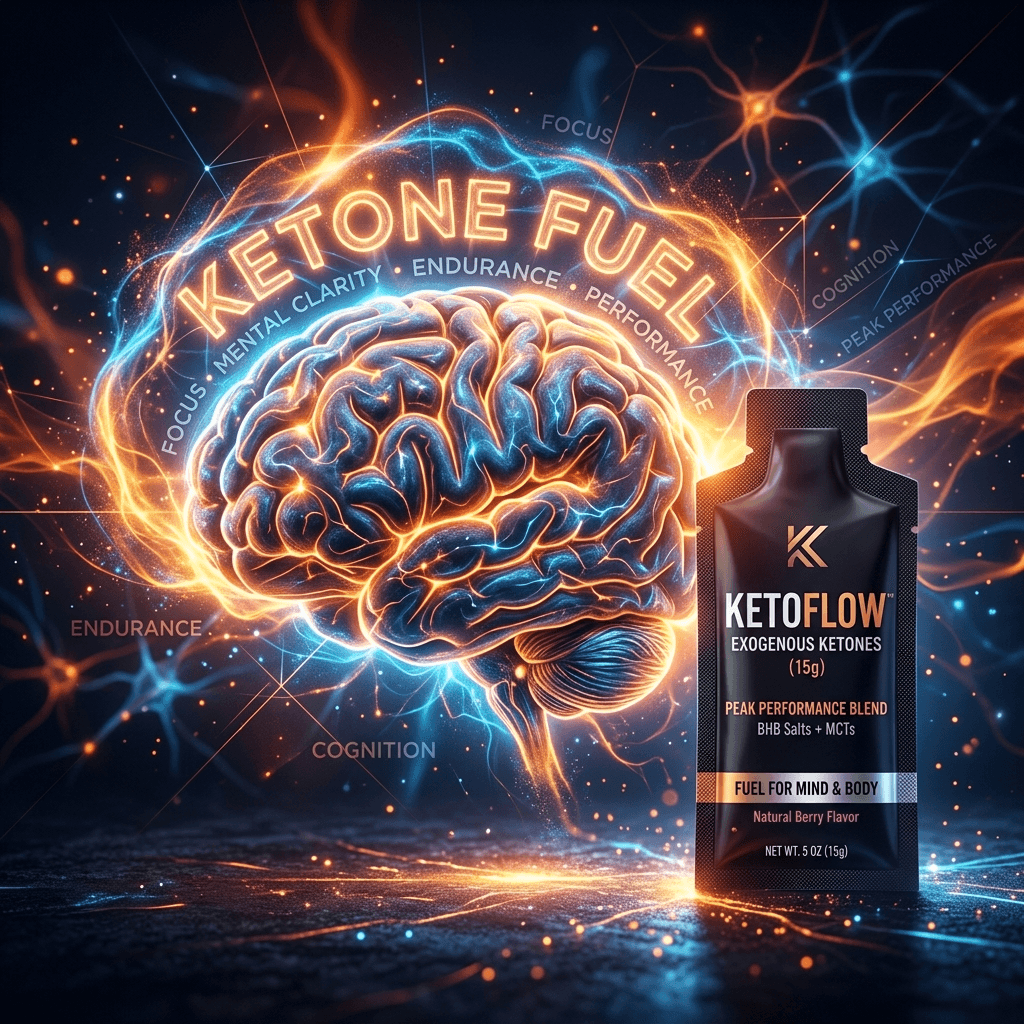
"The human brain is a metabolic hybrid. When glucose runs low, it can seamlessly switch to burning ketones, a superfuel that yields more ATP per molecule and actively suppresses neuroinflammation. Exogenous ketones allow you to access this elevated state of cognitive clarity and metabolic efficiency on demand, without weeks of fasting or strict carbohydrate deprivation."
Exogenous Ketones: 2026 Core Pillars for Cognitive Endurance
-
1.
Beta-Hydroxybutyrate (BHB) as a Signaling Molecule: Beyond its role as an alternative fuel, BHB is a potent epigenetic modulator and endogenous inhibitor of the NLRP3 inflammasome, directly reducing neuroinflammation and oxidative stress.
-
2.
Ketone Salts vs. Ketone Esters: Salts (bound to sodium, potassium, calcium) are more palatable and affordable but can cause GI distress at high doses. Esters (primarily 1,3-butanediol or C8-based) provide a more rapid and potent elevation of blood BHB but are costly and notoriously foul-tasting.
-
3.
ATP Efficiency and Cerebral Blood Flow: Ketones yield ~20-25% more ATP per molecule of oxygen consumed compared to glucose. They also increase cerebral blood flow by up to 30-40%, enhancing oxygen and nutrient delivery to active brain regions.
-
4.
Appetite Suppression and Satiety: BHB directly modulates hypothalamic appetite centers, reducing ghrelin and increasing satiety hormones, making exogenous ketones a powerful tool for extending fasting windows and managing caloric intake.
-
5.
Strategic Application, Not Chronic Use: Exogenous ketones are best used as a targeted performance tool (pre-workout, pre-cognitive task, or during extended fasting) rather than a continuous daily supplement. Chronic elevation may blunt endogenous ketogenesis and downregulate BHB transporters.
For decades, the profound cognitive and metabolic benefits of a ketogenic state, enhanced mental clarity, sustained energy, reduced inflammation, and neuroprotection, were accessible only through the disciplined and time-consuming practices of prolonged fasting or strict dietary carbohydrate restriction. Achieving blood levels of the ketone body Beta-Hydroxybutyrate (BHB) above 0.5 mmol/L typically required 2-4 days of carbohydrate deprivation or 16-24 hours of fasting. In 2026, this barrier has been decisively dismantled by the refinement and widespread availability of Exogenous Ketones. These are synthetically produced or naturally derived compounds that, when ingested, directly elevate blood BHB concentrations within 30-60 minutes, independent of the body's own ketogenic machinery. This allows the biohacker to "hack" into the ketogenic state on demand, reaping its acute cognitive and physical performance benefits without the prerequisite metabolic adaptation period.
However, not all exogenous ketones are created equal. The market is bifurcated between Ketone Salts (BHB bound to mineral cations like sodium, potassium, calcium, and magnesium) and Ketone Esters (primarily 1,3-butanediol or C8-derived esters). They differ dramatically in their pharmacokinetics, tolerability, cost, and practical applications. This full 2026 treatise will dissect the molecular biology of BHB as both a metabolic fuel and a signaling metabolite, compare the two major classes of exogenous ketones head-to-head, provide evidence-based protocols for their strategic use to enhance cognitive endurance, physical performance, and fasting tolerance, and critically evaluate their place within a broader longevity and metabolic health strategy.
BETA-HYDROXYBUTYRATE: BEYOND FUEL, A MASTER SIGNALING METABOLITE
To fully appreciate the power of exogenous ketones, one must transcend the outdated view of BHB as merely an "alternative brain fuel" that substitutes for glucose during periods of scarcity. While its role as an efficient energetic substrate is undeniably important, the most exciting and therapeutically relevant actions of BHB are mediated through its function as a potent Signaling Metabolite and Epigenetic Modulator.
BHB as an HDAC Inhibitor
Histone Deacetylases (HDACs) are enzymes that remove acetyl groups from histone proteins, typically leading to tighter DNA wrapping and reduced gene transcription. BHB, particularly at concentrations achieved during fasting or with exogenous supplementation (0.5-3.0 mmol/L), is a Class I and IIa HDAC inhibitor. By inhibiting HDACs, BHB promotes a more open, transcriptionally active chromatin state. This epigenetic mechanism directly increases the expression of genes encoding critical antioxidant enzymes (e.g., Catalase, SOD2) and the transcription factor FOXO3a, a master regulator of longevity and stress resistance. This is one pathway by which BHB mimics the life-extending effects of caloric restriction.
Direct Inhibition of the NLRP3 Inflammasome
A landmark discovery, published by Youm et al. in Nature Medicine (2015), demonstrated that BHB directly and specifically inhibits the assembly and activation of the NLRP3 Inflammasome. The NLRP3 inflammasome is a multi-protein complex within innate immune cells that acts as a sensor of cellular stress and danger signals. When activated, it triggers the cleavage and release of the potent pro-inflammatory cytokines Interleukin-1β (IL-1β) and Interleukin-18 (IL-18). Chronic, low-grade activation of NLRP3 is a central driver of "inflammaging" and a wide range of age-related diseases, including Alzheimer's, type 2 diabetes, and atherosclerosis. By physically blocking NLRP3 assembly, BHB exerts a powerful, direct anti-inflammatory effect that is independent of its role as a fuel. This mechanism is a cornerstone of the neuroprotective and cardioprotective benefits associated with ketosis.
Enhanced Mitochondrial Efficiency and Biogenesis
Metabolically, BHB is a "cleaner" fuel than glucose. Its oxidation in the mitochondrial electron transport chain yields approximately 20-25% more ATP per molecule of oxygen consumed. This is because BHB metabolism reduces the NAD⁺/NADH ratio and decreases the electron leak from Complex I, thereby generating fewer damaging reactive oxygen species (ROS). Plus, BHB signaling activates AMPK and PGC-1α, driving mitochondrial biogenesis, the creation of new, more efficient mitochondria. The net effect is a cellular engine that runs with greater power output and significantly reduced "exhaust" (oxidative stress). This is the biophysical basis for the enhanced cognitive endurance and reduced "brain fog" reported by users of exogenous ketones.
Biohacker Pro-Tip: The BHB Receptor (HCAR2) and Niacin Flush
BHB is also a ligand for the G-protein coupled receptor HCAR2 (also known as GPR109A), the same receptor activated by niacin (Vitamin B3) that causes the characteristic "niacin flush." Activation of HCAR2 on adipocytes and immune cells suppresses lipolysis and exerts anti-inflammatory effects. This receptor mediates some of the cardiovascular and neuroprotective benefits of BHB. Interestingly, this is also why high doses of ketone salts or esters can sometimes cause a transient flushing sensation or mild skin tingling, a harmless, niacin-like effect.
KETONE SALTS VS. KETONE ESTERS: A full COMPARISON
The choice between ketone salts and ketone esters is one of the most critical decisions facing the 2026 biohacker. They are fundamentally different chemical entities with distinct pharmacokinetic profiles, side effect profiles, and optimal use cases.
Ketone Salts (e.g., BHB Sodium, Potassium, Calcium/Magnesium)
Ketone salts are created by binding BHB to a mineral cation. They are typically sold as powders or ready-to-drink formulations. They are considerably more affordable and palatable than esters. Upon ingestion, the salt dissociates, releasing free BHB and the associated mineral into the bloodstream. BHB levels typically rise to a modest peak of 0.6-1.2 mmol/L within 45-60 minutes and return to baseline within 2-3 hours. The primary limitation of salts is the accompanying mineral load. Achieving a significant elevation in BHB requires ingesting several grams of sodium, potassium, or a combination thereof. This can lead to gastrointestinal distress (osmotic diarrhea, bloating, nausea) at higher doses and is contraindicated for individuals on sodium-restricted diets or with uncontrolled hypertension. Salts are best suited for moderate cognitive enhancement, appetite suppression during a fast, or as a gentle introduction to ketosis.
Ketone Esters (e.g., 1,3-Butanediol, C8 Ketone Ester)
Ketone esters are pure compounds, typically liquids, that are metabolized in the liver and intestines to directly release BHB or its precursors (like acetoacetate). They don't carry a mineral load. This allows for a much more rapid, potent, and sustained elevation of blood BHB, often reaching 2.0-4.0 mmol/L within 30 minutes, a level comparable to a 3-5 day water fast. The effects can last 3-5 hours. This makes esters the clear choice for high-stakes cognitive or physical performance. The major drawbacks are twofold: (1) Exorbitant Cost: Ketone esters are typically $10-20 per serving, making daily use financially prohibitive for most. (2) Profoundly Unpleasant Taste: Pure ketone esters, particularly 1,3-butanediol, have a notoriously foul, acrid, chemical taste often described as "jet fuel" or "burning plastic." This can cause significant nausea and aversion. Advanced formulations (e.g., C8-derived esters or ester/salt blends) have somewhat improved palatability but remain an acquired taste.
| Characteristic | Ketone Salts (BHB Mineral Salts) | Ketone Esters (1,3-Butanediol, C8 Ester) |
|---|---|---|
| Peak Blood BHB | 0.6 - 1.5 mmol/L | 2.0 - 4.0+ mmol/L |
| Time to Peak | 45 - 90 minutes | 15 - 45 minutes |
| Duration of Elevation | 2 - 3 hours | 3 - 5 hours |
| Mineral Load / Electrolytes | High (Na⁺, K⁺, Ca²⁺) | None |
| GI Tolerability | Moderate to Poor (osmotic diarrhea at high doses) | Good (mineral-free), but taste can cause nausea |
| Palatability / Taste | Salty, slightly sour; generally palatable | Extremely poor; acrid, chemical, "jet fuel" |
| Cost per Serving (2026) | $2 - $5 | $10 - $20+ |
| Optimal Use Case | Daily cognitive support, appetite control, moderate fasting aid | High-stakes cognitive/physical performance, pre-workout, deep ketosis simulation |
COGNITIVE ENDURANCE: MECHANISMS AND REAL-WORLD PERFORMANCE
The subjective experience of enhanced cognitive clarity and endurance on exogenous ketones is consistently reported by users and is supported by a growing body of mechanistic and human performance research. The effects are multifactorial:
- Increased Cerebral Blood Flow (CBF): Studies using arterial spin labeling MRI have demonstrated that both endogenous ketosis and exogenous ketone administration increase global and regional cerebral blood flow by 30-40%. This enhanced perfusion delivers more oxygen and nutrients (glucose, BHB) to active neurons, directly supporting sustained cognitive effort.
- Stabilized Brain Network Dynamics: EEG studies show that BHB promotes a shift toward alpha and theta brainwave activity, associated with relaxed alertness and creativity, while stabilizing functional connectivity in the default mode network (DMN) and executive control networks. This may translate to improved focus and reduced mind-wandering.
- Reduced Oxidative Stress and Neuroinflammation: The direct anti-inflammatory effects of BHB (NLRP3 inhibition, HDAC inhibition) reduce the background "neural noise" and metabolic stress that can impair cognitive function over extended periods of mental exertion.
- Glycogen Sparing: By providing an alternative, readily usable fuel source for neurons and astrocytes, BHB reduces the brain's reliance on blood glucose. This helps maintain stable blood glucose levels during prolonged cognitive tasks, preventing the "brain fog" and fatigue associated with hypoglycemia.
In practical terms, users of exogenous ketones (particularly esters) report enhanced ability to sustain deep focus during long work sessions, improved verbal fluency and recall, and a notable reduction in the "afternoon crash." For competitive gamers, traders, or anyone engaged in prolonged, high-concentration tasks, a strategically timed dose of ketone ester can provide a clean, jitter-free cognitive edge.
THE COGNITIVE ENDURANCE PROTOCOL (PRE-TASK)
Objective: Maximize sustained focus, mental clarity, and verbal fluency for a 3-4 hour work block, exam, or presentation.
- Timing: Consume 30-45 minutes before the start of the cognitive task. This allows time for peak blood BHB levels to be reached.
- Optimal Agent: Ketone Ester (e.g., 25-40g of 1,3-butanediol ester or equivalent). The rapid, high peak BHB provides the most pronounced cognitive effect.
- Alternative (Cost-Conscious): Ketone Salt (e.g., 10-15g BHB salts). Effect is more modest but still noticeable for most users.
- Stacking (Advanced): Combine with 100-200mg L-Theanine and 50-100mg Caffeine (optional). This provides synergistic calm focus and alertness without the jitters. The ketones smooth out the caffeine edge.
- Hydration: Drink plenty of water with ketone salts to mitigate GI distress and support renal excretion of the mineral load.
PHYSICAL PERFORMANCE: ENDURANCE, RECOVERY, AND GLYCOGEN SPARING
The ergogenic (performance-enhancing) effects of exogenous ketones for physical exercise are more nuanced and context-dependent than their cognitive benefits. While they are not a magic bullet for high-intensity, glycolytic efforts (e.g., sprinting, heavy weightlifting), they offer distinct advantages for specific athletic scenarios.
- Enhanced Endurance and Glycogen Sparing: During prolonged, submaximal exercise (Zone 2 training, long-distance running/cycling), BHB serves as an efficient alternative fuel for skeletal muscle and the heart. This reduces the reliance on limited muscle glycogen stores, theoretically extending time to exhaustion. Studies have shown improvements in endurance capacity of 2-5% with exogenous ketones, particularly when carbohydrate availability is low.
- Improved Recovery and Reduced Muscle Soreness: The anti-inflammatory and signaling properties of BHB (NLRP3 inhibition, HDAC inhibition) may accelerate recovery from intense training. Some studies show reduced markers of muscle damage (creatine kinase) and subjective soreness when ketones are consumed post-exercise or in the days following a strenuous event.
- Central Fatigue Mitigation: BHB readily crosses the blood-brain barrier and can serve as a cognitive fuel during long events, reducing the perception of effort and central fatigue. This mental edge can be as important as the physical one.
- Limitation: High-Intensity Performance: Because ketone metabolism is oxygen-dependent, it can't support the rapid ATP demands of glycolysis. For high-intensity intervals, sprints, or maximal strength efforts, ketones don't provide a performance advantage and may even slightly impair peak power output if consumed immediately beforehand, as they can blunt the glycolytic flux. For these activities, carbohydrates remain the superior fuel.
Biohacker Pro-Tip: The Dual-Fuel Strategy for Endurance Athletes
Elite endurance athletes are increasingly adopting a "dual-fuel" approach. They consume exogenous ketones (often an ester) before a long training session or race to elevate blood BHB, and then continue to consume carbohydrates (glucose/fructose) during the event. This strategy provides the brain and heart with a steady stream of ketones while simultaneously fueling working muscles with glucose. This maximizes total energy availability, spares glycogen, and mitigates central fatigue. The combination appears to be more effective than either fuel source alone.
FASTING AID AND APPETITE SUPPRESSION
One of the most practical and accessible applications of exogenous ketones is as an adjunct to intermittent or prolonged fasting. For individuals new to fasting, the transition period (hours 12-24) can be challenging, marked by hunger pangs, low energy, brain fog, and irritability (often termed "keto flu" or "fasting flu"). This is largely driven by the brain's temporary "panic" as glucose availability declines and the body's endogenous ketone production has not yet fully ramped up. Exogenous ketones provide an elegant bridge over this metabolic gap.
- Direct Appetite Suppression: BHB, acting through central mechanisms (likely involving hypothalamic neurons and ghrelin suppression), is a potent, natural appetite suppressant. Consuming a serving of ketone salts or an ester during a fast significantly reduces subjective hunger and cravings, making it easier to extend the fasting window.
- Mitigation of Fasting Side Effects: The exogenous BHB provides the brain with an immediate, clean fuel source, alleviating the brain fog, fatigue, and irritability associated with the early stages of fasting. This improves mood, cognitive function, and overall adherence to the fasting protocol.
- Preservation of Lean Mass: Some evidence suggests that BHB has anti-catabolic properties, reducing the breakdown of muscle protein during fasting. This may help preserve lean body mass during extended fasts.
remember that consuming exogenous ketones during a fast does technically break a strict "water-only" fast. However, the caloric content is typically modest (50-100 kcal) and, because it doesn't stimulate insulin or mTOR to the same degree as protein or carbohydrates, it doesn't negate many of the primary benefits of fasting (autophagy, ketogenesis, insulin sensitivity). For many biohackers, the trade-off of a slightly "dirty" fast for improved adherence, mood, and cognitive function is well worth it.
POTENTIAL DOWNSIDES, SIDE EFFECTS, AND LONG-TERM CONSIDERATIONS
While exogenous ketones are generally safe for healthy adults, they are not without potential downsides and should be used strategically, not indiscriminately.
- Gastrointestinal Distress (Ketone Salts): High doses of ketone salts can overwhelm the gut's absorptive capacity, leading to osmotic diarrhea, bloating, and nausea. Start with a half-dose and titrate slowly. Consume with ample water.
- Mineral Imbalance (Ketone Salts): Chronic, high-dose use of sodium or potassium BHB salts can contribute to elevated blood pressure in susceptible individuals and may disrupt electrolyte balance. Monitor blood pressure and consider rotating with other forms.
- Blunting of Endogenous Ketogenesis: The body's own ketone production is regulated by feedback loops. Chronically flooding the system with exogenous BHB may, theoretically, downregulate the endogenous ketogenic machinery over time. For this reason, exogenous ketones are best used as a targeted tool (e.g., pre-performance, during a fast) rather than a daily, continuous supplement. This preserves the body's innate ability to produce ketones when needed.
- Interference with Exercise Adaptations (Antioxidant Effect): The potent anti-inflammatory and antioxidant effects of BHB, while generally beneficial, could theoretically blunt some of the beneficial hormetic adaptations to exercise (e.g., mitochondrial biogenesis, improved insulin sensitivity). This is analogous to the caution against high-dose antioxidants post-workout. While the evidence is not conclusive, it's prudent to avoid consuming large doses of exogenous ketones immediately after intense training. Use them pre-workout or on rest days.
- Cost (Ketone Esters): The financial barrier to regular ketone ester use is substantial and must be weighed against other health and performance investments.
Important Safety Note: Contraindications
Individuals with Type 1 Diabetes should exercise extreme caution with exogenous ketones, as they can mask the symptoms of hypoglycemia and, in the context of insulin deficiency, could theoretically increase the risk of euglycemic diabetic ketoacidosis (euDKA), though this is primarily a concern with SGLT2 inhibitors. Anyone with impaired kidney function should avoid high-dose ketone salts due to the mineral and acid load. As always, consult with a qualified healthcare professional before adding any new potent supplement to your regimen.
STRATEGIC PROTOCOLS FOR THE 2026 BIOHACKER
The key to effectively leveraging exogenous ketones is strategic, context-dependent application. The following protocols provide a framework for integrating them into a full Biohacking strategy.
Morning Cognitive Boost
Take 10-15g ketone salts or 25g ester upon waking, before consuming any calories. This elevates BHB, suppresses morning hunger, and provides clean mental energy for focused work. Ideal for extending an overnight fast to 16-18 hours.
Pre-Workout (Endurance Focus)
Consume 25-40g ketone ester 30-45 min before a long Zone 2 run, ride, or ruck. Provides an alternative fuel source, spares glycogen, and enhances mental stamina. Not recommended before high-intensity intervals or heavy lifting.
Fasting Bridge (Hours 16-24)
When doing a 24-36 hour fast, consume a serving of ketone salts or a half-dose of ester in the afternoon/evening. This curbs hunger, boosts mood and energy, and makes the fast significantly more comfortable and sustainable.
Post-Travel / Jet Lag Recovery
Exogenous ketones can help mitigate the brain fog and fatigue associated with jet lag. A dose upon arrival at your destination can provide clean mental energy and may help reset circadian rhythms by influencing brain energy metabolism.
Taking exogenous ketone supplements or commercial keto iq formulations rapidly raises circulating beta-hydroxybutyrate (BHB) levels without strict carbohydrate restriction. This delivers an immediate, oxygen-efficient fuel source directly to your brain, bypassing glucose pathways to support cognitive endurance, focus, and physical recovery.
Conclusion: Boosting Brain Performance with Keto IQ
Exogenous ketones represent a genuine breakthrough in metabolic Biohacking, providing the 2026 biohacker with an unprecedented level of control over their brain's fuel supply. They allow us to decouple the beneficial signaling and energetic effects of BHB from the time-consuming and often challenging process of achieving deep nutritional ketosis through diet or fasting. Whether you seek a clean, jitter-free cognitive edge for a critical presentation, a glycogen-sparing boost for a long endurance session, or a comfortable bridge across an extended fast, exogenous ketones offer a powerful, on-demand tool.
However, this power demands respect and strategic application. The choice between the affordability and mineral load of salts and the potency, cost, and taste challenge of esters is a personal and context-dependent calculation. Chronic, indiscriminate use is likely counterproductive and may blunt the very metabolic machinery we seek to optimize. Exogenous ketones are best deployed as a targeted intervention, a precision tool for specific performance and cognitive demands.
Ultimately, they offer a form of metabolic sovereignty: the freedom to choose your fuel source, independent of your recent meal or your level of keto-adaptation. Wield this tool wisely, and you can unlock new levels of cognitive endurance, physical resilience, and fasting mastery.
Peer-Reviewed Clinical Validations & Extended Foundational Reading:
- BHB as an HDAC Inhibitor and NLRP3 Blocker: Youm, Y. H., Nguyen, K. Y., Grant, R. W., et al. (2015). "The ketone metabolite β-hydroxybutyrate blocks NLRP3 inflammasome-mediated inflammatory disease." Nature Medicine, 21(3), 263-269. Read Landmark Study
- Ketone Esters and Cognitive Performance: Murray, A. J., Knight, N. S., Cole, M. A., et al. (2016). "Novel ketone diet enhances physical and cognitive performance." FASEB Journal, 30(12), 4021-4032. Read Study
- Ketone Salts vs. Esters Pharmacokinetics: Stubbs, B. J., Cox, P. J., Evans, R. D., et al. (2017). "On the Metabolism of Exogenous Ketones in Humans." Frontiers in Physiology, 8, 848. Read Review
- Exogenous Ketones and Endurance Performance: Cox, P. J., Kirk, T., Ashmore, T., et al. (2016). "nutritional Ketosis Alters Fuel Preference and Thereby Endurance Performance in Athletes." Cell Metabolism, 24(2), 256-268. Read Study
- Appetite Suppression with Exogenous Ketones: Stubbs, B. J., Cox, P. J., Evans, R. D., et al. (2018). "A Ketone Ester Drink Lowers Human Ghrelin and Appetite." Obesity, 26(2), 269-273. Read Study
- Cerebral Blood Flow and Ketones: Hasselbalch, S. G., Madsen, P. L., Hageman, L. P., et al. (1996). "Changes in cerebral blood flow and carbohydrate metabolism during acute hyperketonemia." American Journal of Physiology-Endocrinology and Metabolism, 270(5), E746-E751. Read Study