SLEEP
How Sleep Builds Skills: The Science of Sleep-Induced Neuroplasticity (2026)
Hacking your brain's plumbing. How the glymphatic system and REM cycles work together to hard-wire new skills while you sleep.
28 min read•June 3, 2026
Engineer your circadian rhythm, maximize deep sleep architecture, and unlock the brain's most powerful recovery mechanism: glymphatic clearance.
Hacking your brain's plumbing. How the glymphatic system and REM cycles work together to hard-wire new skills while you sleep.
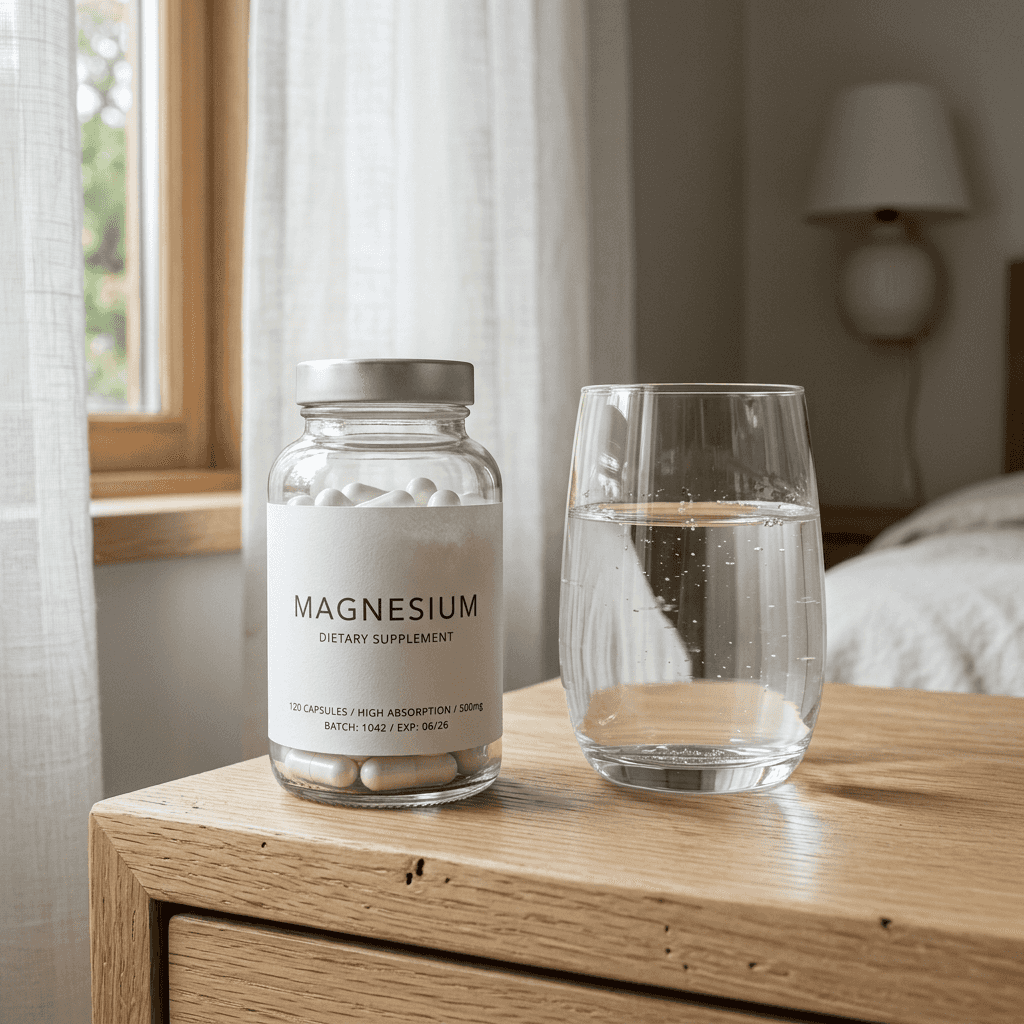
Stop guessing your magnesium. Learn which forms cross the blood-brain barrier for cognitive enhancement vs. physical recovery.
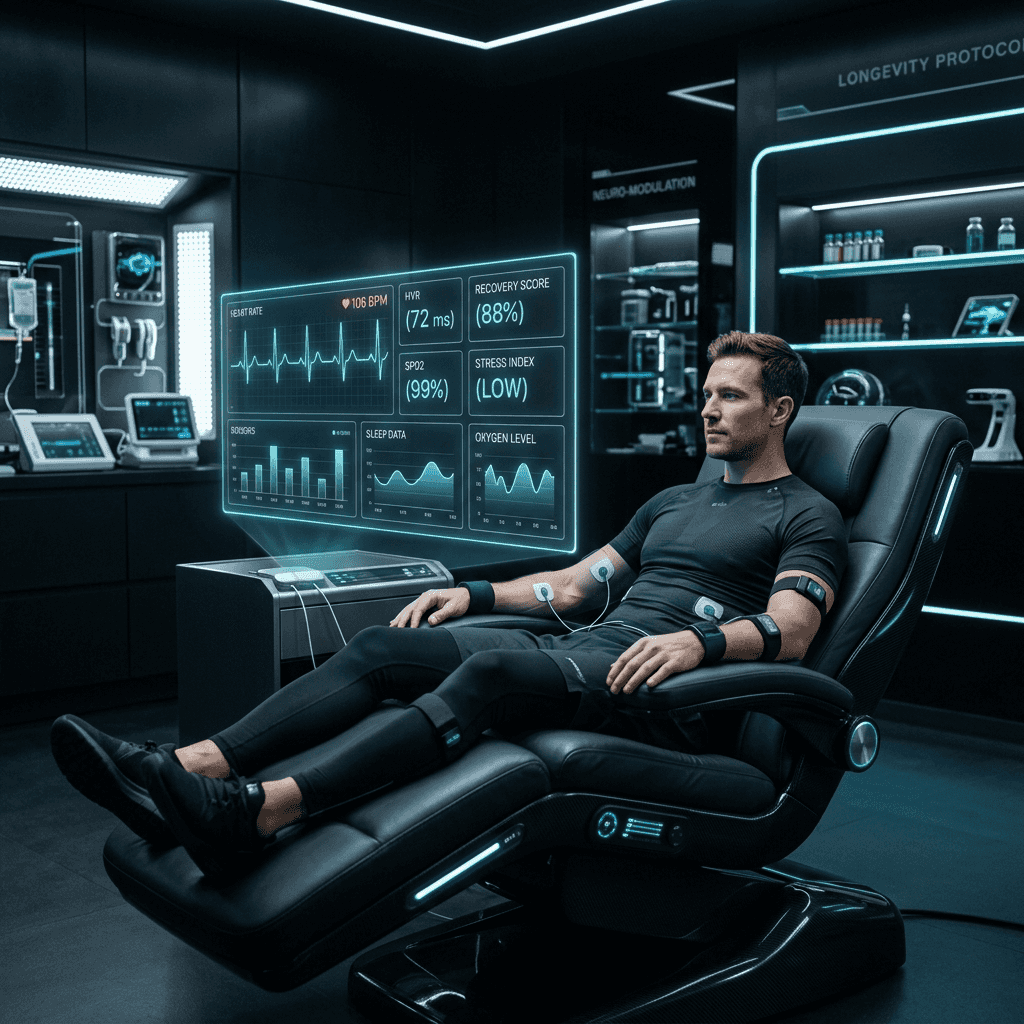
After analyzing 340+ Strong Restoration reviews and testing it for 6 weeks, this 2026 biohacker’s guide reveals how it improves HRV, lowers cortisol, and fixes deep sleep. Is it worth the hype? Here’s the clinical evidence.
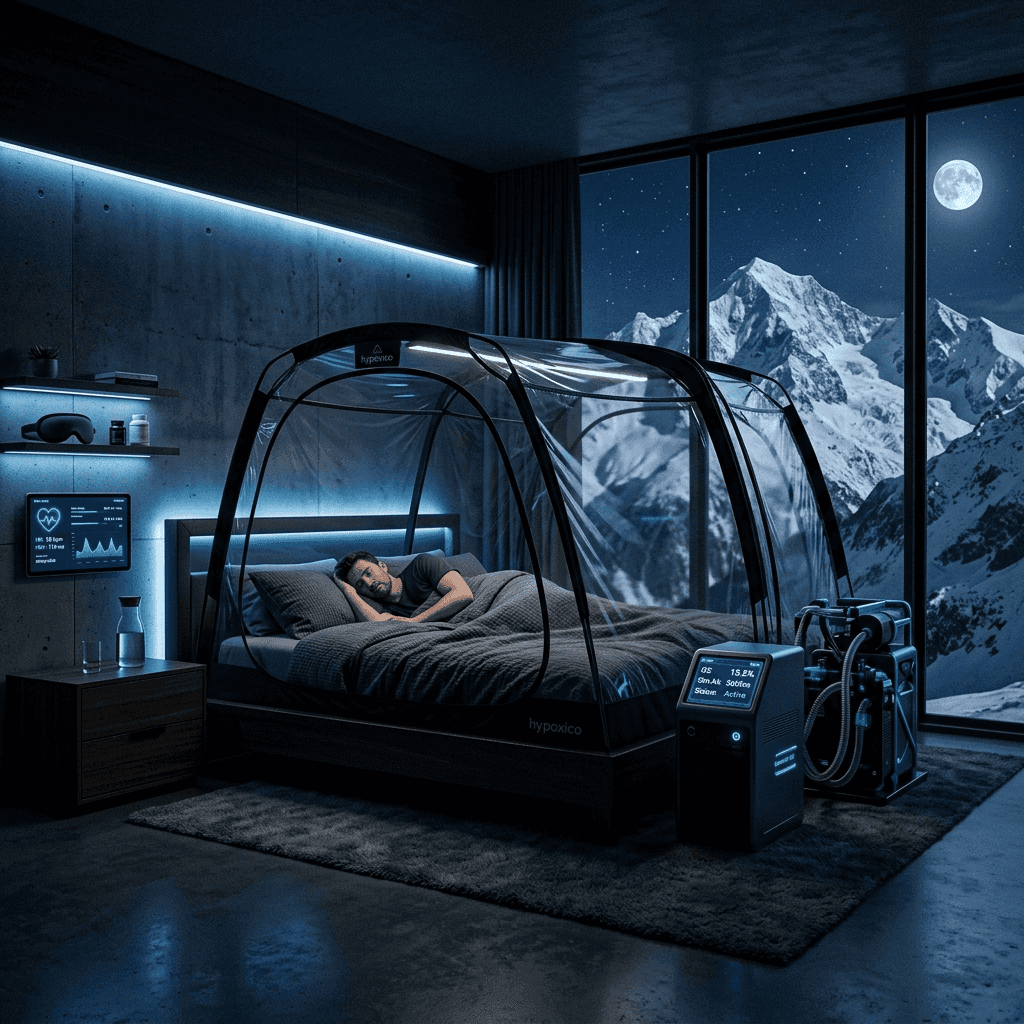
Sleeping like an Olympian. The science of intermittent hypoxic training and how simulated altitude increases red blood cell count during rest.
Discover the exact timing for caffeine, food, work, and screens to master your circadian rhythm using the legendary 10:3:2:1:0 protocol.
Drinking coffee immediately after waking destroys your energy levels. Master your adenosine sleep drive and learn the 90-minute caffeine rule to eliminate afternoon crashes.
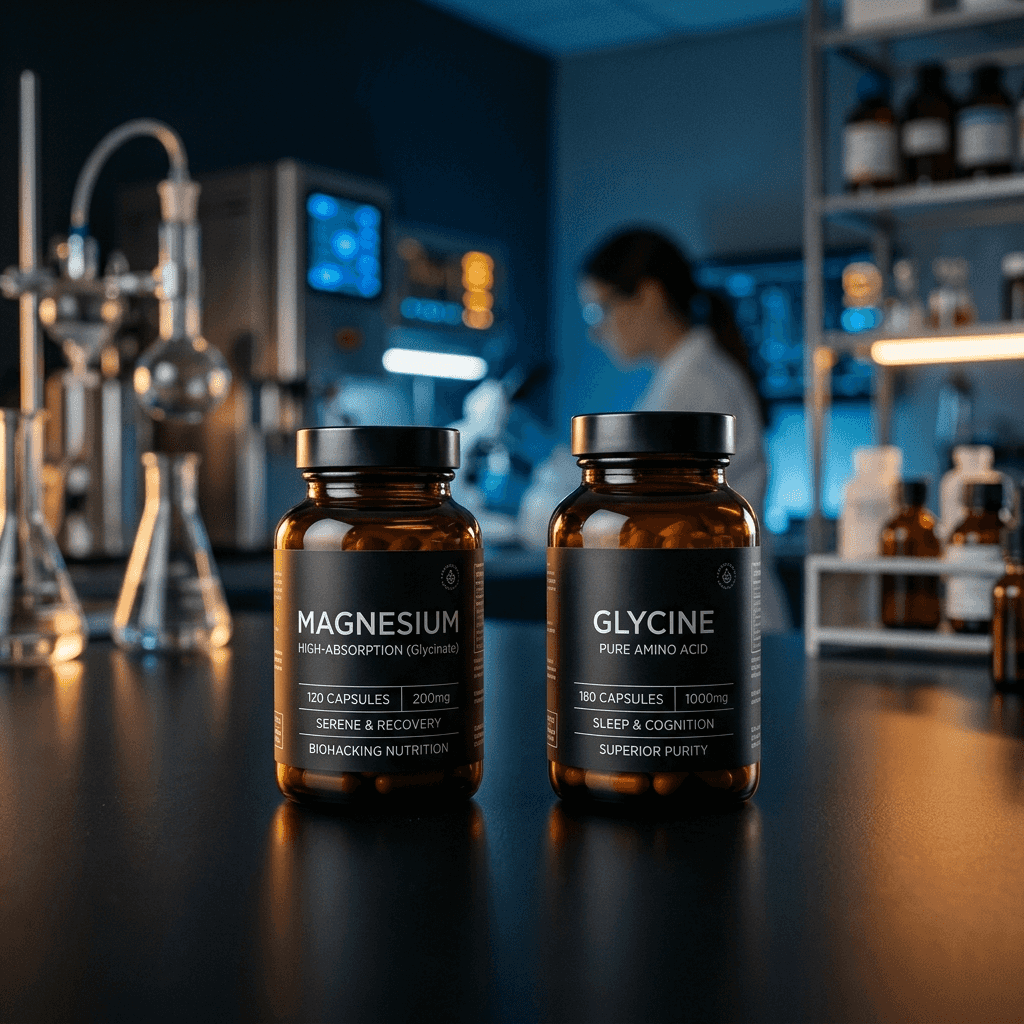
Stop guessing your sleep quality. Discover the exact biochemical synergy between Magnesium, Glycine, and Melatonin to optimize your 2026 neural recovery and deep sleep architecture.
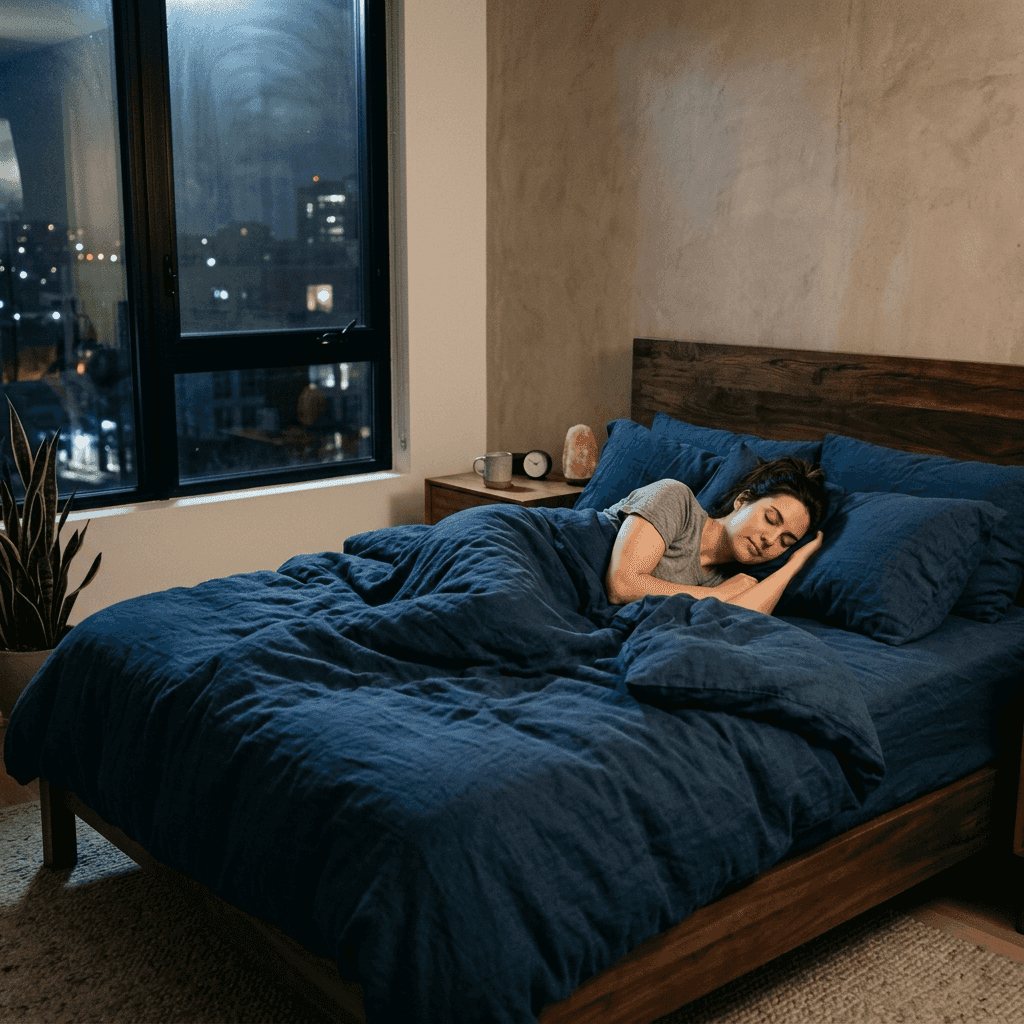
It's not just about spending 8 hours in bed. Decode your sleep architecture and learn the precise biohacks to maximize deep waves and REM separately.
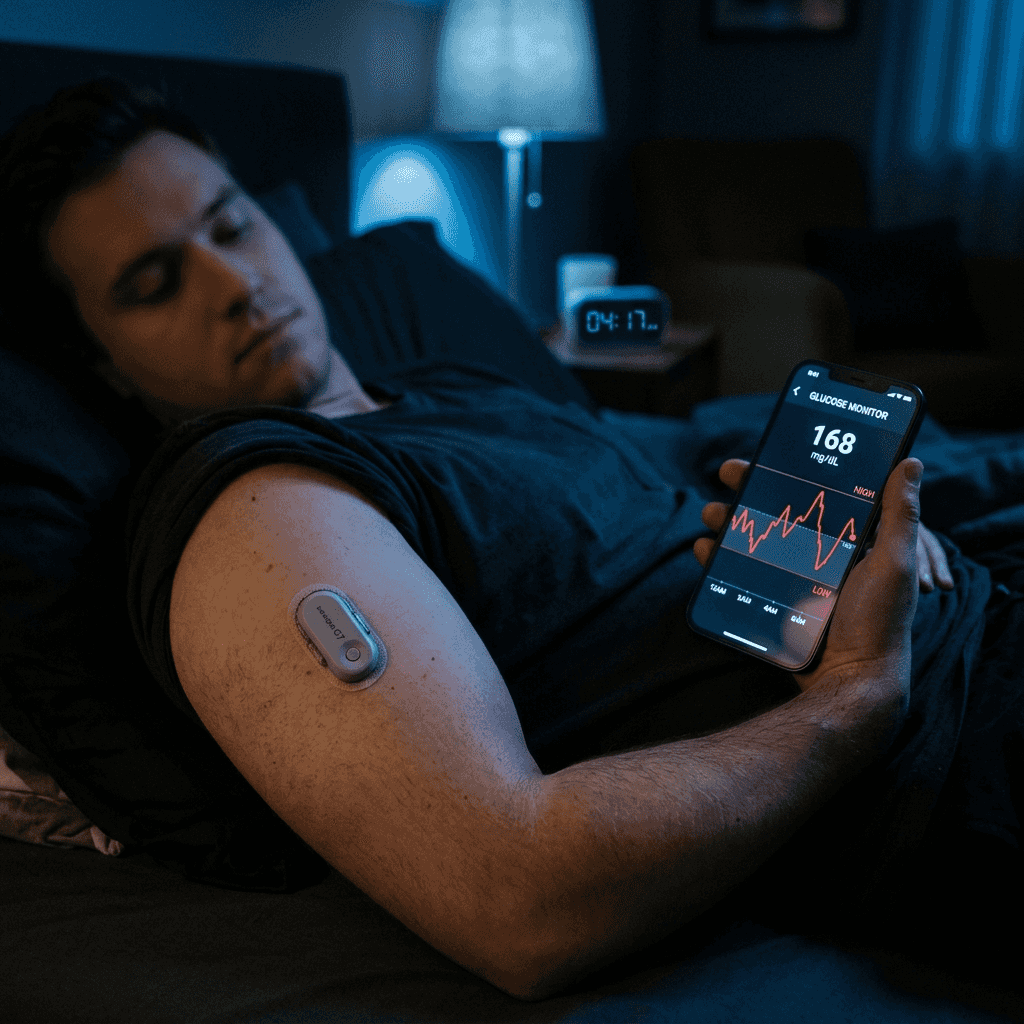
One night of partial sleep deprivation can induce insulin resistance in healthy subjects at a level comparable to a person with Type 2 diabetes. Discover the 2026 science of nocturnal glucose spikes.
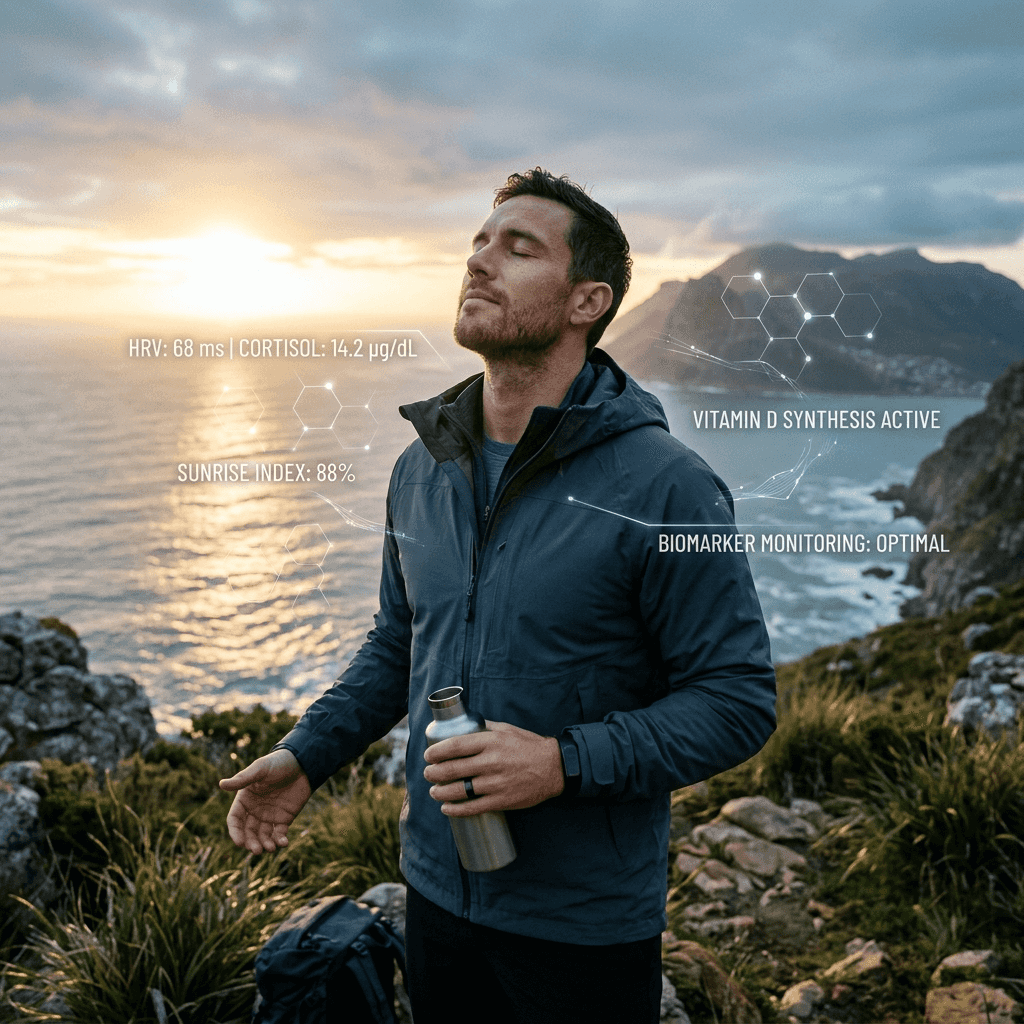
Discover how early exposure to sunlight regulates your 24-hour biological clock, optimizing cortisol release and setting the stage for deep, uninterrupted sleep.
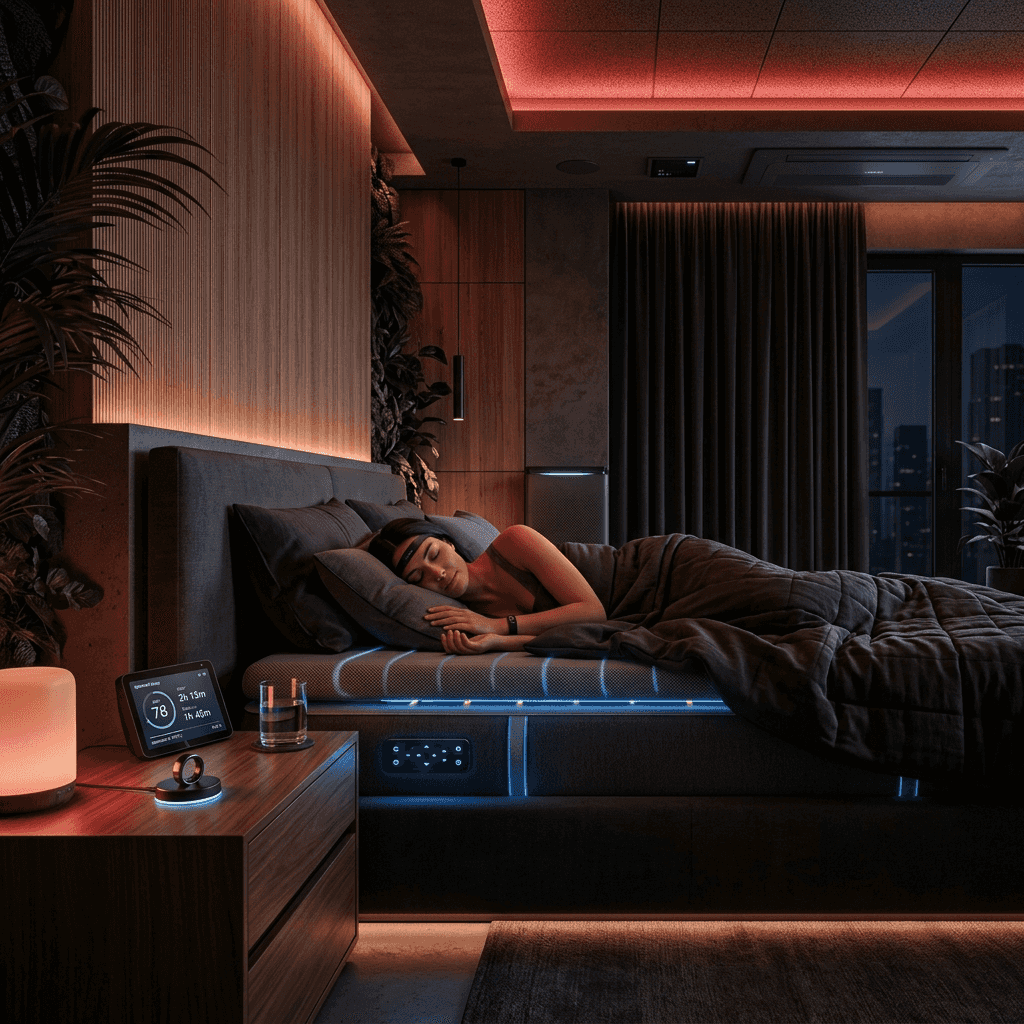
Master the ultimate evening wind-down with our science-backed 90-minute protocol. From digital sunsets to physiological state shifts, learn how the world's top biohackers optimize their sleep architecture for peak cognitive and physical performance in 2026.
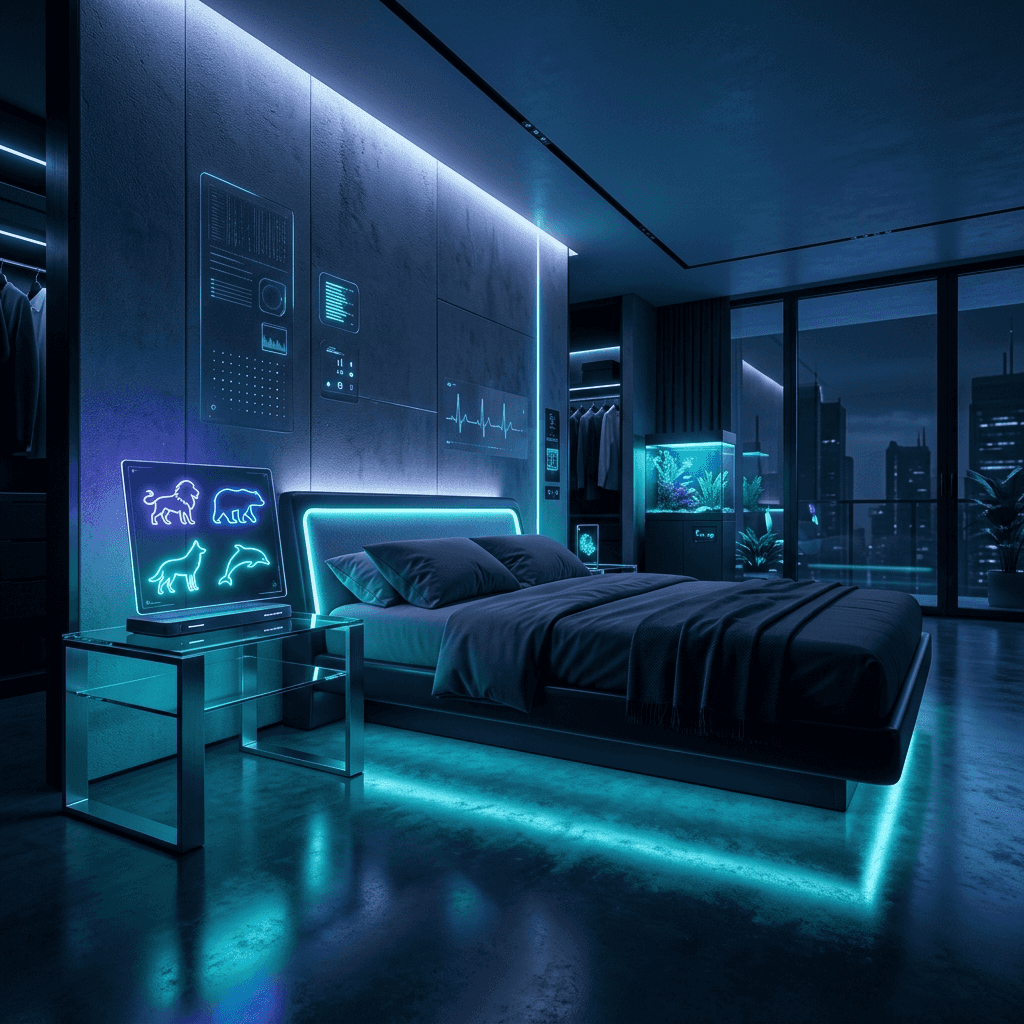
Stop fighting your biology. Master your specific sleep chronotype (Lion, Bear, Wolf, or Dolphin) to double your productivity and optimize your performance with half the effort in 2026. This guide breaks down the science of circadian rhythms for the modern biohacker.
Sleeping until noon on Sunday? You're triggering Social Jet Lag. Learn the 60-Minute Rule to fix your circadian rhythm and stop Monday morning exhaustion.
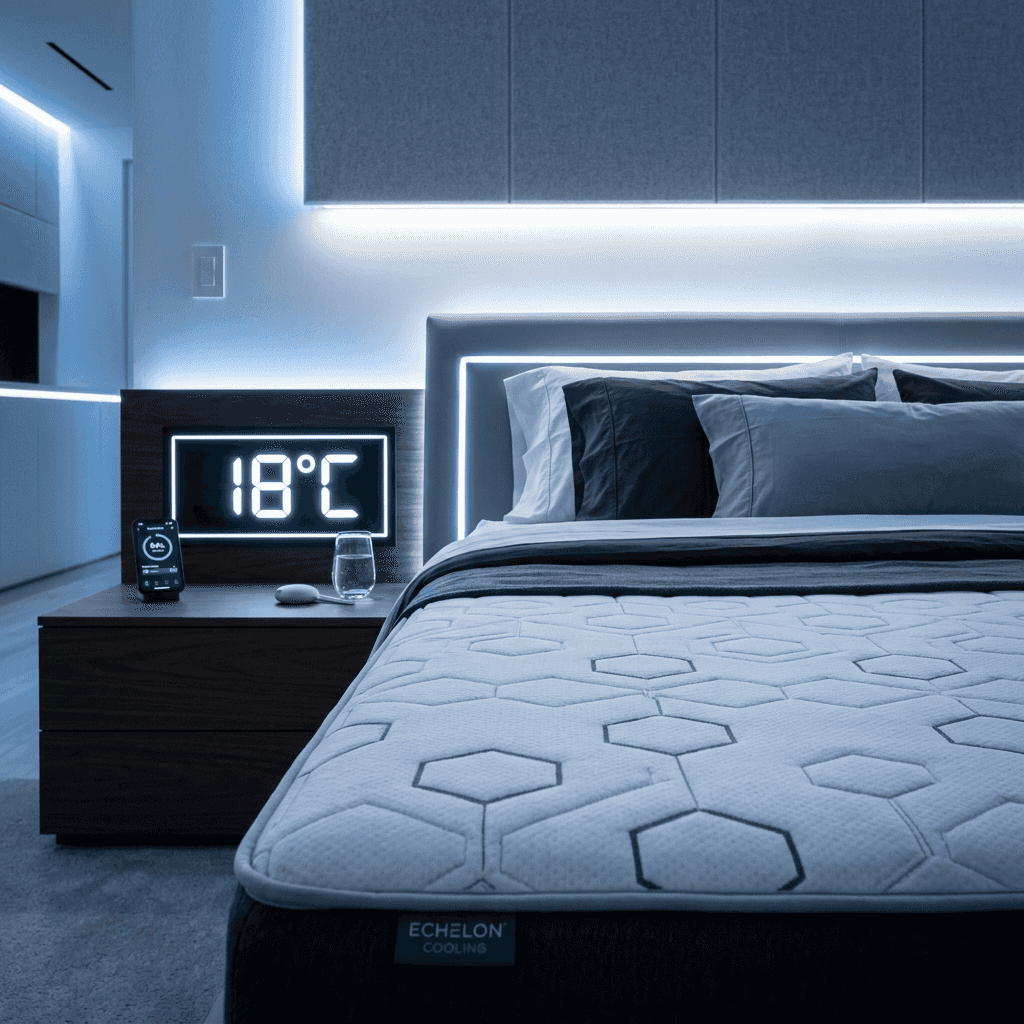
We explore the science of thermoregulation and its direct impact on deep sleep and metabolic health. Discover why 18°C (64.4°F) is the biological sweet spot for human recovery.
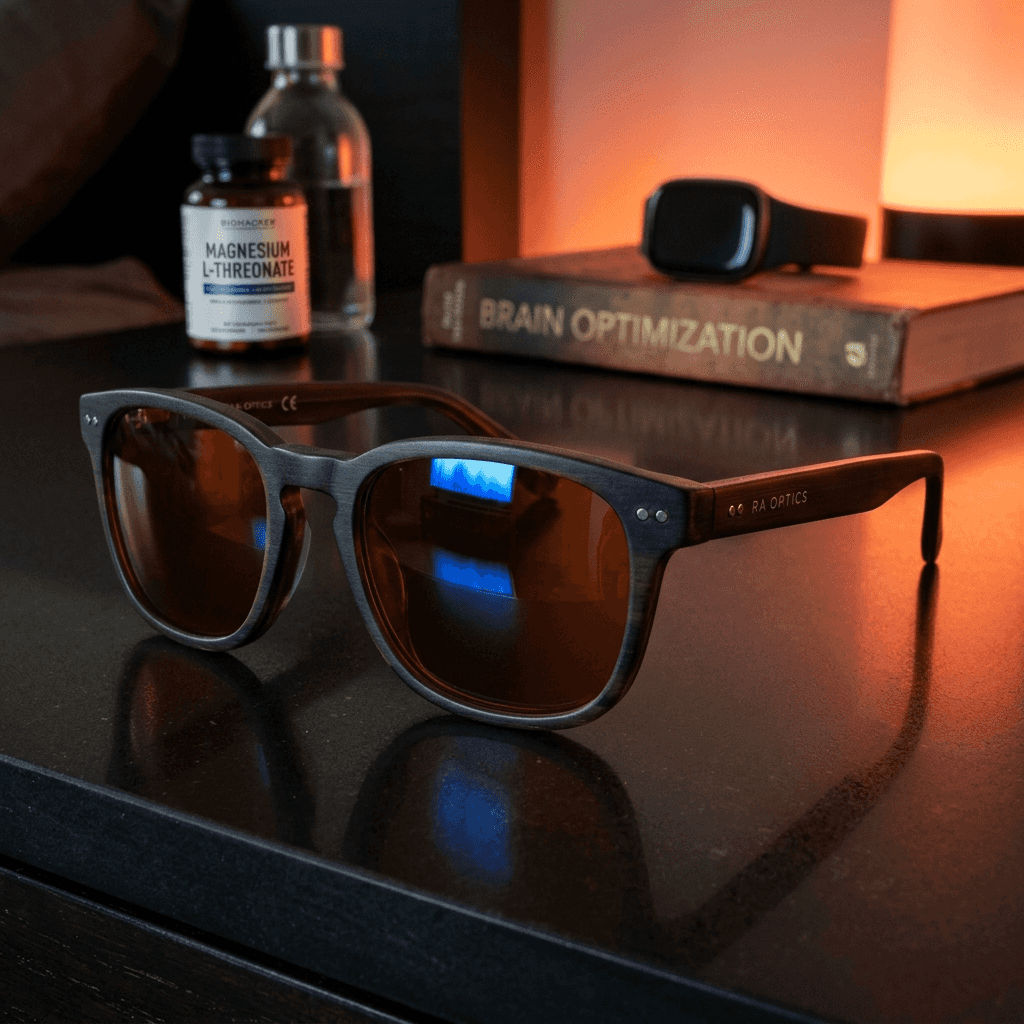
We analyze the latest 2026 clinical data on blue light blocking eyewear. Discover the difference between marketing hype and biological reality, and why the color of your lenses determines your hormonal success.
In the hierarchy of biohacking interventions, sleep sits at the absolute apex. No amount of supplements, exercise protocols, or technological gadgets can compensate for poor sleep. A single night of sleep deprivation (less than 6 hours) reduces insulin sensitivity by 30%, impairs prefrontal cortex function equivalent to legal intoxication, suppresses natural killer cell activity by 70%, increases inflammatory markers (IL-6, TNF-α, CRP), and shifts hormonal profiles toward catabolism (elevated cortisol, suppressed growth hormone and testosterone).
Sleep is not passive unconsciousness—it is the most metabolically active recovery state the body can achieve. During deep sleep (N3/slow-wave sleep), growth hormone is released in pulses, tissue repair is accelerated, the glymphatic system clears neurotoxic waste from the brain, and the immune system undergoes critical maintenance and surveillance. During REM sleep, the brain consolidates memories, processes emotional experiences, and performs a form of "overnight therapy" that integrates traumatic or stressful events into long-term memory without the emotional charge.
The biohacking approach to sleep goes far beyond "get 8 hours." We treat sleep as an engineered system with multiple controllable inputs: light environment (circadian entrainment), temperature (thermoregulation), timing (chronobiology), nutrition (precursor loading), and stress management (autonomic regulation). By systematically optimizing each input, we can dramatically improve both the quantity and quality of sleep—and by extension, every downstream aspect of health and performance.
Light is the most powerful zeitgeber (time-giver) for the human circadian clock. The suprachiasmatic nucleus (SCN) in the hypothalamus receives direct input from intrinsically photosensitive retinal ganglion cells (ipRGCs), calibrating the 24-hour cycle of cortisol, melatonin, body temperature, and cellular metabolism. Modern artificial lighting disrupts this system profoundly.
Morning Protocol: Expose eyes to bright natural sunlight (or a 10,000 LUX light therapy lamp) within the first 30-60 minutes of waking. This anchors the cortisol awakening response, sets the "melatonin timer" (melatonin onset occurs ~14-16 hours after morning light exposure), and strengthens the circadian amplitude—the difference between peak daytime alertness and nighttime sleepiness. On overcast days, spend longer outdoors (outdoor overcast light is still 5,000-10,000 LUX, vs. indoor lighting at 200-500 LUX).
Evening Protocol: Begin dimming lights and eliminating blue-spectrum light 2-3 hours before bed. Use amber or red-spectrum bulbs (2200K or lower) in the bedroom and living areas. Wear blue-blocking glasses that filter 99%+ of wavelengths below 520nm. Enable "Night Shift" or equivalent on all screens, though note that even warm-filtered screens still emit enough melanopic light to suppress melatonin—physical glasses are far more effective.
Each night, you cycle through 4-6 sleep cycles of approximately 90 minutes each. The first half of the night is dominated by deep sleep (N3), while the second half is REM-dominant. Understanding this architecture allows you to optimize for specific recovery goals.
Deep Sleep Enhancement: Avoid alcohol within 4 hours of bed (it suppresses N3 by up to 30%), maintain a cool room (60-67°F), consider Magnesium Glycinate (300-400mg) or L-Theanine (200mg) 30-60 minutes before bed, and ensure total darkness (blackout curtains or sleep mask). Resistance training and sauna use earlier in the day have both been shown to increase subsequent deep sleep duration by 15-25%.
REM Sleep Enhancement: Avoid cannabis and excessive alcohol (both suppress REM). B vitamins, particularly B6 (as P5P, 25-50mg taken with dinner), may support dream vividness and REM density. Maintain a consistent wake time (even on weekends) to anchor the circadian-driven REM peak that occurs in the final sleep cycles. Chronic sleep restriction creates a "REM debt" that the brain will try to repay via REM rebound when normal sleep is restored.
The 90 minutes before sleep are the most critical window for sleep quality. This is when the parasympathetic nervous system must take over from sympathetic dominance, core body temperature must begin dropping, and melatonin must be allowed to rise unimpeded.
Minute 90-60 (Thermal Trigger): Take a warm bath or shower (104°F/40°C for 10-15 minutes). This causes peripheral vasodilation—blood flows to the skin surface, radiating heat away from the core. Research shows this accelerates the core temperature drop needed for sleep onset by up to 36% and reduces sleep latency by an average of 10 minutes.
Minute 60-30 (Neural Downregulation): Engage in calming activities: journaling (brain dump to-do lists to reduce pre-sleep rumination), light stretching or yoga, reading physical books (no screens), or practicing Non-Sleep Deep Rest (NSDR/Yoga Nidra). Avoid work emails, news, social media, or anything that triggers a cortisol response.
Minute 30-0 (Environment Optimization): Ensure the bedroom is completely dark, cool (60-67°F), quiet (earplugs or white noise at 40-50 dB), and screen-free. Practice 4-7-8 breathing (inhale 4s, hold 7s, exhale 8s) to activate vagal tone and shift the autonomic nervous system toward parasympathetic dominance.
Your chronotype—your genetically determined preference for sleep and wake timing—is encoded in clock genes like PER3, CRY1, and CLOCK. Forcing yourself into a schedule that violates your chronotype is a form of chronic circadian disruption ("social jet lag") that increases cardiovascular disease risk by 11% for every hour of misalignment.
Identify Your Type: The Morningness-Eveningness Questionnaire (MEQ) or genetic testing can determine whether you are a morning type (lion chronotype), evening type (wolf chronotype), or intermediate (bear/dolphin chronotypes). Once identified, align your sleep schedule, exercise timing, creative work, and meal timing to match your biological peak periods rather than fighting against them.
The productivity culture that glorifies "hustle" and sleep deprivation is biologically illiterate. Every high-performance protocol—from muscle growth to fat loss to cognitive enhancement—is downstream of sleep quality. A person sleeping 5 hours cannot out-supplement, out-exercise, or out-biohack the metabolic damage of chronic sleep restriction.
At Ethical Biohacking, we treat sleep as the foundational layer of the optimization stack. Before adding any new supplement, protocol, or device to your routine, we always ask: "Is your sleep dialed in?" If the answer is no, fixing sleep first will produce more dramatic improvements than any other single intervention.
The optimal sleep duration for most adults is 7-9 hours, but the biohacking perspective goes far beyond total hours. What matters most is sleep architecture—the proportion and timing of each sleep stage. A biohacker prioritizes getting adequate deep sleep (N3, ideally 1.5-2 hours for adults under 50) for physical recovery and glymphatic clearance, and sufficient REM sleep (ideally 1.5-2 hours) for memory consolidation and emotional regulation. You can track these metrics with wearable devices like the Oura Ring or Whoop Band. Someone getting 7 hours with excellent architecture (high deep sleep, high REM, low wake after sleep onset) will outperform someone getting 9 hours of fragmented, shallow sleep.
The glymphatic system is the brain's waste clearance mechanism, discovered by Dr. Maiken Nedergaard in 2012. During deep sleep (and primarily during sleep), cerebrospinal fluid (CSF) flows through the brain's interstitial spaces, flushing out metabolic waste products including beta-amyloid (associated with Alzheimer's disease) and tau proteins. The glymphatic system is 60% more active during sleep than wakefulness, and its efficiency is dramatically influenced by sleep position (lateral/side sleeping promotes the most clearance), sleep depth (deep N3 sleep is most effective), and alcohol consumption (even moderate drinking impairs glymphatic function by up to 30%). Optimizing glymphatic clearance through sleep quality is one of the most powerful neuroprotective strategies available.
Research consistently shows that the optimal bedroom temperature for sleep is 60-67°F (15.5-19.4°C). Core body temperature must drop by 1-2°F (0.5-1°C) to initiate sleep onset and maintain deep sleep stages. This thermoregulatory process is why a warm bath 1-2 hours before bed paradoxically improves sleep—it causes peripheral vasodilation that accelerates core temperature drop after exiting the bath. Biohackers optimize this through cool environments, breathable bedding (linen, eucalyptus fiber), and cooling mattress pads. Some advanced biohackers use devices like the Eight Sleep Pod that actively regulate mattress temperature throughout the night based on sleep stage data.
Yes, with important caveats. Blue light (460-490nm wavelength) powerfully suppresses melatonin production via melanopsin receptors in the retina. Studies show that evening blue light exposure delays melatonin onset by 1.5-3 hours and reduces melatonin production by 50%. Blue-blocking glasses with amber or red lenses (blocking wavelengths below 520nm) worn 2-3 hours before bedtime have been shown to preserve endogenous melatonin production, improve sleep onset latency, and increase total sleep time in multiple clinical trials. However, the quality of lenses matters enormously—many commercial "blue light" glasses only filter 10-20% of blue light and are functionally useless. Look for lenses that block 99%+ of light below 520nm for meaningful sleep benefits.
Exogenous melatonin is generally safe for short-term use at appropriate doses (0.3-1mg, taken 30-60 minutes before bed). However, the biohacking perspective favors supporting endogenous melatonin production rather than supplementing it indefinitely. Long-term high-dose melatonin use (5-10mg, common in US supplements) is pharmacological, not physiological—your body naturally produces only 0.1-0.3mg. High chronic doses may downregulate melatonin receptors over time. Instead, focus on: morning sunlight exposure (anchors circadian rhythm and sets the melatonin timer), evening blue light blocking, cool dark sleeping environment, and avoiding late-night eating (which shifts the peripheral clock and delays melatonin release). If supplementing, use the minimum effective dose (typically 0.3-0.5mg).
Disclaimer: This information is for educational purposes only and does not constitute medical advice.