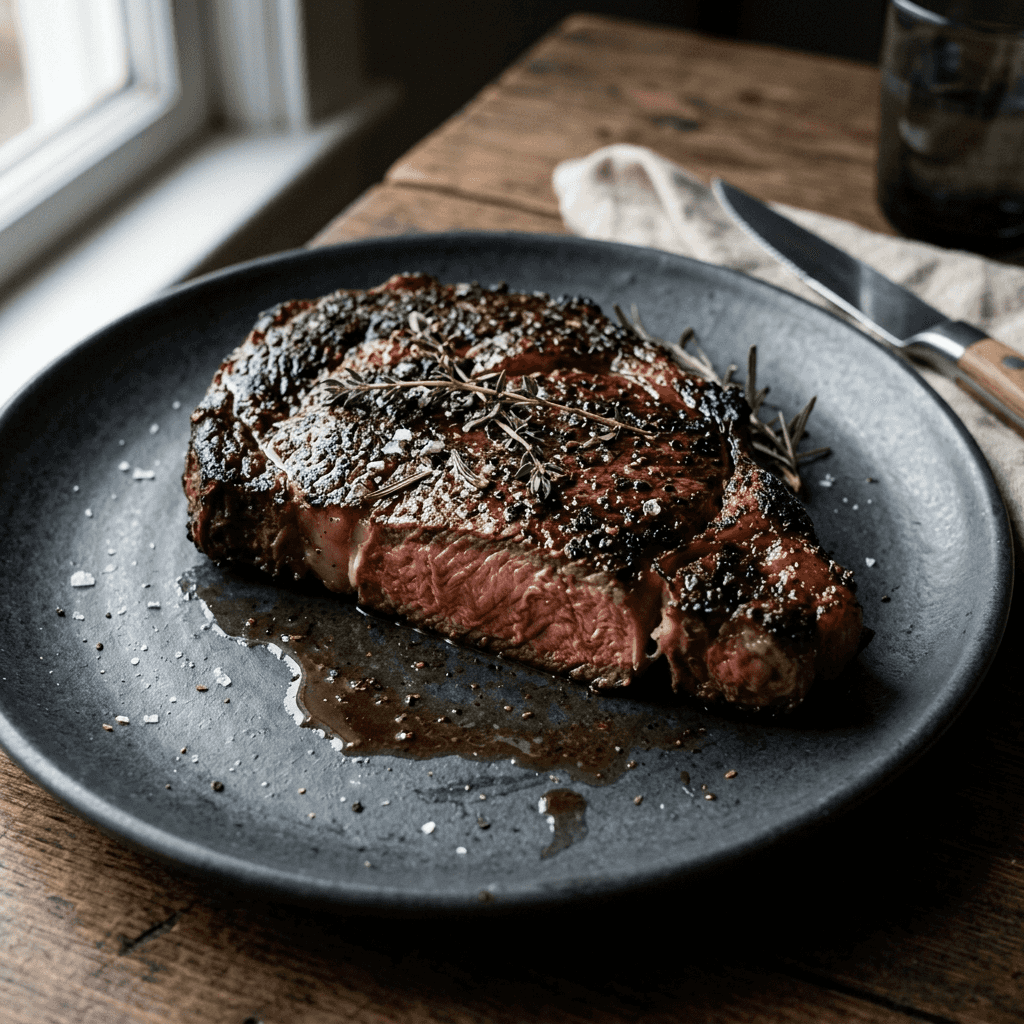
The human gut is a living thing it is like a city with trillions of tiny microbes. When you stop eating plants you do not just make your bacteria hungry. You make your microbiome change in a way. The question is not if the carnivore diet changes your microbiome it is if those changes are good or bad.
Carnivore Microbiome: 2026 Metagenomic Pillars
-
1.
When you remove all plants the types of microbes in your gut go down. It is like a rainforest that becomes a grassland.
-
2.
Some microbes like Bilophila, Alistipes and Bacteroides are good at eating bile and amino acids. They become the microbes in your gut.. Microbes like Bifidobacterium and Faecalibacterium prausnitzii that need fiber to survive go away.
-
3.
Some microbes like Akkermansia muciniphila start to eat the mucus in your gut. This changes how your gut works. We are still trying to understand how.
-
4.
The way your microbes make things changes. They make short chain fatty acids, like butyrate. They make bile acids and things that can become bad for you.
-
5.
Even though your microbiome changes some people feel better. They have autoimmune problems and their metabolism gets better. The microbiome adapts,. We do not know if this is good in the long run.
The Carnivore Diet is a diet where you only eat animal foods like meat, fish, eggs and sometimes dairy. By 2026 many people are using this diet to help with problems and metabolism. They see improvements in conditions like arthritis Crohns disease, depression and diabetes.. We still need to know what happens to the microbes in your gut when you stop eating fiber.
Most scientists think that you need to eat plants to have a gut. They think that fiber is necessary for microbes to make chain fatty acids.. The carnivore diet does not have any fiber. We are starting to understand how the microbiome changes when you eat animal foods.
What is a Carnivore Diet & Fiber Myths
Most scientists think that fiber is necessary for the microbiome to work well. They think that microbes need fiber to make chain fatty acids like butyrate. Butyrate is important for the health of your gut.
When you eat only animal foods you do not have any fiber. This means that the microbes in your gut have to adapt. They start to eat things like bile and amino acids. Some microbes like Bacteroides and Alistipes are good at eating these things. They become the microbes in your gut.
The microbes that need fiber to survive like Bifidobacterium and Faecalibacterium prausnitzii go away. This makes the microbiome less diverse.. Just because the microbiome is less diverse does not mean it is not healthy.
Some people think that the carnivore diet is bad for you because it makes the microbiome less diverse.. This is not necessarily true. The microbes that are left are good at eating the things that're available in the gut. They can make the gut healthier.
Biohacker Pro‑Tip: Distinguishing Cause from Correlation
people who try the carnivore diet are already sick. They have problems like gut or SIBO. The carnivore diet can help them feel better. It can make the gut less inflamed and more healthy.
Is the Carnivore Diet Healthy for Your Microbiome?
With the massive rise of extreme elimination diets, many biohackers ask: is carnivore diet healthy for long-term physiological wellness? A just meat diet excludes all dietary fiber, resistant starch, and plant-derived polyphenols. In standard gastroenterology, this stands in stark contrast to a high-diversity microbiome diet, which emphasizes prebiotic diversity to feed beneficial butyrate-producing bacterial strains.
To understand what is happening at the metagenomic level, we must define what is microbiome health. The human microbiome is a complex, symbiotic ecosystem of trillions of microbes that regulate immune signaling, gut barrier integrity, and neurotransmitter synthesis. Eliminating plant material causes a profound taxonomic shift: fiber-dependent taxa like Prevotella decrease rapidly, while bile-tolerant, fat-loving strains like Alistipes and Bilophila wadsworthia expand. While this shifts microbial metabolite production from short-chain fatty acids (SCFAs) to bile acids, short-term implementation can act as a powerful therapeutic tool to rest an inflamed gut and resolve autoimmune flares.
METAGENOMIC SHIFTS: WHO THRIVES AND WHO DECLINES?
We are starting to understand how the microbiome changes when you eat animal foods. Some microbes like Bacteroides and Alistipes do well. They can eat things like bile and amino acids.
Other microbes like Bifidobacterium and Faecalibacterium prausnitzii do not do well. They need fiber to survive. They go away when you stop eating plants.
The Winners
The microbes that do well on the diet are the ones that can eat things like bile and amino acids. These include Bacteroides, Alistipes and Bilophila.
The Losers
The microbes that do not do well on the diet are the ones that need fiber to survive. These include Bifidobacterium, Faecalibacterium prausnitzii and Roseburia.
| Bacterial Genus / Species | Primary Metabolic Niche | Direction on Carnivore | Potential Health Implication |
|---|---|---|---|
| Bifidobacterium | Fiber/Oligosaccharide Fermenter | Goes away | The gut may not be Healthy |
| Faecalibacterium prausnitzii | Butyrate Producer (Fiber) | Goes away | The gut may not be Healthy |
| Bacteroides | Generalist (Fiber, Mucin, Protein) | Stays the same | The gut may be healthier |
| Alistipes | Protein/Amino Acid Fermenter; Bile-Tolerant | Does well | The gut may be healthier |
| Bilophila wadsworthia | Bile Acid Metabolism; H₂S Producer | Does well | The gut may be healthier |
THE MUCIN-FORAGING ADAPTATION: EATING THE HOST'S LINING
When you stop eating fiber the microbes in your gut need to find something to eat. They start to eat the mucus in your gut. This can be good or bad. It can make the gut healthier. It can make it worse.
We are still trying to understand how this works. We need to know if eating the mucus in your gut is good or bad. It may depend on the person and their health.
The carnivore diet is a change for the microbiome. It makes the microbes in your gut adapt. They start to eat things like bile and amino acids. Some microbes do well while others do not. We are still trying to understand how this works and how it affects your health.
The carnivore diet can be good for some people. It can make them feel better. It can help with problems and metabolism.. We need to know more about how it works. We need to know if it is safe in the run.
The microbes in your gut are like a city. They need food to survive. When you stop eating fiber they need to find something to eat. They start to eat the mucus in your gut. This can be good or bad. It can make the gut healthier. It can make it worse.
We are still trying to understand how this works. We need to know if eating the mucus in your gut is good or bad. It may depend on the person and their health. We need to learn more about the diet and how it affects the microbiome. We need to know if it is safe and healthy.
The Carnivore Microbiome is an area of study. We need to learn more about it to understand how it works. We need to know how to support the mucus barrier on the diet. This may include eating things like glutamine, glycine and proline. These can help make the mucus barrier stronger.
The carnivore diet is a change for the microbiome. It makes the microbes in your gut adapt. They start to eat things, like bile and amino acids. Some microbes do well while others do not. We are still trying to understand how this works and how it affects your health.
Biohacker Pro‑Tip: Supporting the Mucus Barrier on Carnivore
To reduce the risks of too much mucin for people who eat a lot of meat they can eat foods that are rich in Collagen, Gelatin and Bone Broth. These foods give people the things they need to rebuild and fix the gut barrier. Some people who eat a lot of meat also find it helpful to add a bit of kefir or yogurt to their diet as long as they can handle dairy.
THE METABOLITE SHIFT: FROM SCFAs TO BILE ACIDS AND AMINO ACID DERIVATIVES
When people start eating a diet that's mostly meat their gut ecosystem changes a lot. This change has effects on their health.
The Butyrate Problem
When people stop eating fiber their levels of SCFAs like butyrate go down a lot. This is a concern.. The body can make similar things in other ways. The liver makes Beta-Hydroxybutyrate, which's different from butyrate but has some of the same effects. Many people who eat a diet that's mostly meat have a constant supply of Beta-Hydroxybutyrate. It is not clear if this makes up for the loss of butyrate for brain health and gut inflammation.
Bile Acids, TMAO and Hydrogen Sulfide
Eating a diet that's high in fat and protein makes the liver produce more bile acids. These bile acids go to the colon, where bacteria convert them into things. Some of these things are good for people while others might be bad.
Another thing that is important to track is Trimethylamine N-Oxide. This is made when the liver converts trimethylamine which is made by bacteria in the gut. Some studies have found that high levels of Trimethylamine N-Oxide are linked to a risk of heart disease.
Key Things Made by Microbes on a Carnivore Diet
Butyrate
Butyrate goes down a lot. This is a problem because it is a fuel for the cells in the colon.
Beta-Hydroxybutyrate
Beta-Hydroxybutyrate goes up. This is good because it has some of the effects as butyrate.
Secondary Bile Acids
Secondary Bile Acids go up. These can be good or bad depending on the situation.
Trimethylamine N-Oxide
Trimethylamine N-Oxide might go up. This could be a problem because it is linked to heart disease.
THE CLINICAL CONTEXT: WHEN BIG CHANGE IS THERAPEUTIC
The changes that happen in the gut when people eat a diet that's mostly meat seem big and scary.. Many people who have tried this diet have seen real improvements in their health.
The gut microbiome is not something that can be optimized on its own. It is connected to the rest of the body. For people who have problems with their gut, like gut or immune overreaction eating a diet that is mostly meat might be helpful. This is because it gives the body a chance to rest and heal.
THE CARNIVORE RESET PROTOCOL: A STRATEGIC INTERVENTION
The goal of this protocol is to use the diet as a way to reset the body and achieve remission from symptoms.
- Phase 1 (Strict Elimination, 30‑90 days): This is the restrictive phase. It lasts for 30-90 days. Only includes meat, salt and water.
- Phase 2 (Strategic Reintroduction, weeks to months): This is the reintroduction phase. It starts when symptoms have improved and involves adding one food at a time with a days in between each new food.
- Phase 3 (Personalized Maintenance): This is the maintenance phase. It involves finding which foods can be added back into the diet without causing symptoms to return.
To examine its physiological impact, let's define what is a carnivore diet. This extreme elimination protocol restricts all food intake exclusively to animal products—primarily beef, lamb, pork, poultry, fish, and eggs—completely eliminating all plant materials, fruits, grains, and sugars. By removing plant toxins, anti-nutrients, and prebiotic fibers, this diet shifts the metabolic focus from carbohydrate fermentation to amino acid and fatty acid metabolism, altering the gut ecosystem profoundly.
Conclusion: Long-Term Carnivore Diet Protocols
In conclusion the carnivore diet is not a miracle cure or a disaster. It is a tool that can be used to reset the body and achieve remission, from symptoms. The long-term effects of this diet are not fully understood,. For people who are struggling with autoimmune or inflammatory disorders the benefits might outweigh the risks.
The key is to use the diet as a strategic intervention, followed by a careful and personalized reintroduction of foods to achieve long-term balance and health.
Peer-Reviewed Clinical Validations & Extended Foundational Reading:
- Diet Rapidly and Reproducibly Alters the Human Gut Microbiome: David, L. A., Maurice, C. F., Carmody, R. N., et al. (2014). "Diet rapidly and reproducibly alters the human gut microbiome." Nature, 505(7484), 559-563. Landmark study showing rapid shifts with animal-based diets. Read Study
- Metagenomic Analysis of Traditional High-Meat Diets (Arctic Inuit): Girard, C., Tromas, N., Amyot, M., & Shapiro, B. J. (2017). "Gut Microbiome of the Canadian Arctic Inuit." mSphere, 2(1), e00297-16. Read Study
- Mucin Foraging and the Gut Barrier: Desai, M. S., Seekatz, A. M., Koropatkin, N. M., et al. (2016). "A Dietary Fiber-Deprived Gut Microbiota Degrades the Colonic Mucus Barrier and Enhances Pathogen Susceptibility." Cell, 167(5), 1339-1353.e21. Animal study showing mucus erosion with fiber-free diet. Read Study
- Ketone Bodies and Gut Health: Stubbs, B. J., Cox, P. J., Evans, R. D., et al. (2018). "A Ketone Ester Drink Lowers Human Ghrelin and Appetite." Obesity, 26(2), 269-273. Explores BHB signaling; relevant to butyrate compensation. Read Study
- Carnivore Diet for Autoimmune Conditions (Case Series): Tóth, C., & Clemens, Z. (2020). "A case of a patient with rheumatoid arthritis treated with a carnivore diet." Orvosi Hetilap, 161(31), 1299-1303. (Note: Limited human data; primarily case reports). Read Case Report