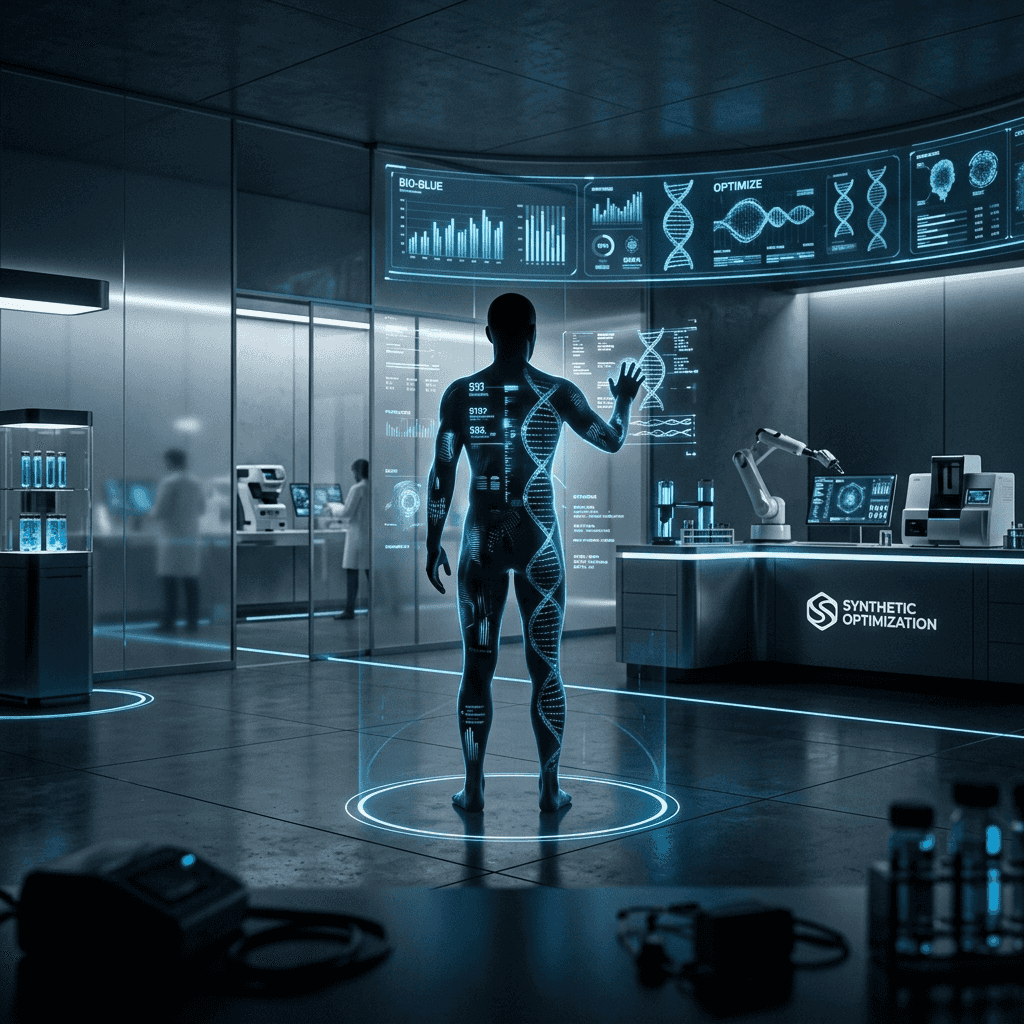
Biohacking: The Ultimate Guide to Human Optimization
The scientific framework for systematically upgrading your biology, extending your health span, and achieving peak functional output.
What is Biohacking?
At its core, biohacking (also known as DIY biology or functional health optimization) is the practice of using science, data, and self-experimentation to take control of your own biology. It is a mindset that refuses to accept the default trajectory of aging and cognitive decline as inevitable. Instead, biohackers view the human body as a complex, programmable system, a hardware and software combination that can be upgraded, debugged, and optimized for peak performance.
In 2026, biohacking has evolved from a niche Silicon Valley curiosity into a rigorous, evidence-based methodology for extending human health span. Unlike traditional medicine, which often focuses on treating disease once it appears (the "sick-care" model), biohacking is proactive. It is the systematic application of systems thinking to the human body. Where conventional healthcare might wait for blood glucose to hit diabetic levels, a biohacker tracks continuous glucose monitors (CGMs) years in advance to prevent metabolic dysfunction entirely.
The Ethical Biohacking Definition
"Biohacking is the art and science of changing the environment around you and inside you so that you have full control over your own biology. It is not about cheating death; it is about optimizing the experience of being alive, right now, with the tools and data available to us."
By measuring biomarkers (via blood work, wearables, or advanced genomic sequencing), biohackers can identify biological "leakage," areas where the body is underperforming due to inflammation, nutrient deficiency, or circadian disruption—and apply specific, targeted interventions to correct them. This could be as simple as adjusting meal timing to improve insulin sensitivity or as advanced as using red light therapy to stimulate mitochondrial respiration.
The Genealogy of Biohacking: From Garage Labs to Mainstream Science
The term "biohacking" first entered the lexicon in the early 2000s through the "Quantified Self" movement, pioneered by Gary Wolf and Kevin Kelly. Early adopters used spreadsheets and clunky pedometers to track sleep and steps. Today, the landscape is dominated by sophisticated algorithms analyzing heart rate variability (HRV) and deep sleep architecture. However, the spirit remains the same: radical self-inquiry. In the 2020s, we witnessed the convergence of three critical trends: the plummeting cost of genetic testing (full genome sequencing is now under $300), the accessibility of research chemicals and peptides via compounding pharmacies, and the explosion of AI-driven health analytics. This democratization of biological data has transformed the patient from a passive recipient of care into an active CEO of their own health.
It is crucial to distinguish between the subcultures within biohacking. Grinders focus on body modification and implantable technology (magnet implants, RFID chips). Nootropics Enthusiasts target cognitive enhancement through supplements and pharmaceuticals. Nutritional Biohackers focus on metabolic flexibility and gut microbiome optimization. At Ethical Biohacking, we synthesize these approaches through a lens of safety and longevity, prioritizing interventions that have strong peer-reviewed backing and low potential for harm.
The ultimate goal is not perfection, but resilience. A biohacked human is one who can travel across time zones without jet lag, think clearly under pressure, recover quickly from exercise, and maintain a robust immune system well into their eighth and ninth decades. This is the promise of moving beyond treating symptoms to engineering an optimized internal environment.
The Four Pillars of Biohacking
Longevity & Cellular Rejuvenation
Focusing on cellular repair, autophagy, and mitochondrial health to not just live longer, but stay younger for longer. In 2026, the longevity space is dominated by two key mechanisms: mTOR inhibition and NAD+ restoration.
Autophagy Optimization: This is the body's cellular housekeeping process where damaged proteins and organelles are cleared out. Biohackers induce autophagy not just through fasting (intermittent or prolonged) but also through specific exercise protocols (high-intensity interval training) and thermogenesis (sauna use).
Mitochondrial Biogenesis: The mitochondria are the power plants of the cell. As we age, their efficiency declines. Biohacking interventions like targeted supplementation (CoQ10, PQQ, Urolithin A) and hypoxic training aim to increase the number and health of mitochondria, effectively reversing the biological energy crisis of aging.
Senescence Surveillance: "Zombie cells" that refuse to die secrete inflammatory signals. The biohacking approach to managing senescence involves the use of senolytics—compounds like Fisetin and Quercetin—which are strategically cycled to clear these dysfunctional cells from the body, improving joint health and systemic inflammation markers.
Nutrigenomics & Metabolic Flexibility
Moving beyond simple calories into nutrigenomics (the study of how food interacts with our specific genetic expression). The "one diet fits all" approach is obsolete. Biohackers use data from CGM and microbiome testing to craft a personalized fuel strategy.
Glucose Disposal Agents (GDAs): Managing postprandial blood sugar spikes is a cornerstone of biohacked nutrition. Beyond low-carb diets, biohackers utilize compounds like Berberine, Chromium, and Bitter Melon extract to shuttle glucose into muscle cells rather than storing it as fat, thereby preserving cognitive clarity and metabolic health.
Chrononutrition: It's not just what you eat, but when you eat. Aligning feeding windows with the circadian clock (Early Time-Restricted Feeding) enhances insulin sensitivity and promotes deeper sleep. The biohacking standard is to front-load calories during daylight hours when the pancreas is most responsive and to finish eating at least three hours before sleep onset.
Microbiome Precision: The gut is the "second brain." Advanced stool testing reveals the ratio of Firmicutes to Bacteroidetes, informing targeted prebiotic fiber intake (resistant starch, inulin) to produce short-chain fatty acids like butyrate, which nourish the gut lining and reduce systemic inflammation.
Sleep Architecture & Circadian Engineering
The non-negotiable foundation of all biological optimization. Without sleep, no amount of supplements or biohacks will move the needle. Biohackers view sleep not as passive downtime, but as an active state of glymphatic clearance and memory consolidation.
Light Hygiene Mastery: The single most impactful biohack is controlling the light environment. This involves wearing blue-blocking glasses 2-3 hours before bed to prevent the suppression of endogenous melatonin, and using red-spectrum lighting in the evening. In the morning, deliberate exposure to natural sunlight (or a 10,000 LUX light box) anchors the circadian rhythm, setting the stage for a healthy cortisol awakening response.
Thermoregulation: Core body temperature must drop by roughly 1-2 degrees Fahrenheit to initiate and maintain deep sleep. Biohackers optimize this through cool sleeping environments (60-67°F), breathable bedding materials like linen or eucalyptus fiber, and sometimes passive heating earlier in the evening (a warm bath) to trigger a reactive drop in core temperature.
Sleep Latency Protocols: The time it takes to fall asleep is a key metric. Techniques like Non-Sleep Deep Rest (NSDR/ Yoga Nidra) and 4-7-8 breathing activate the parasympathetic nervous system, counteracting the hyper-arousal state caused by modern stress and screen exposure.
Quantified Self & Biometric Feedback
Transforming noisy data into actionable insights. The modern biohacker's toolkit includes more than a step counter. We leverage high-resolution data streams to close the loop between action and biological reaction.
Heart Rate Variability (HRV): This is the gold standard for measuring nervous system resilience. A high HRV indicates a strong ability to switch between "fight or flight" and "rest and digest." Biohackers use overnight HRV trends to decide whether to push hard in the gym (high intensity) or prioritize active recovery (yoga, walking) on any given day.
Continuous Glucose Monitoring (CGM): While originally for diabetics, CGMs have become a staple for metabolic biohackers. Real-time glucose data reveals how the body uniquely responds to specific foods, exercise timing, and even psychological stress. This data empowers users to avoid the glucose rollercoaster that leads to brain fog and chronic fatigue.
Recovery Metrics: Devices like the Whoop Band or Oura Ring provide "Recovery Scores" based on HRV, resting heart rate, and sleep performance. This takes the guesswork out of training periodization, ensuring that the stress applied to the body (exercise) is matched by an appropriate recovery response, thus avoiding overtraining syndrome.
The Synergy of Pillars: Systems Integration
The true power of biohacking emerges not from obsessing over a single pillar, but from understanding their intersection. For instance, poor sleep architecture (Pillar 3) directly impairs glucose tolerance, rendering nutrition efforts (Pillar 2) less effective regardless of how clean the diet is. Similarly, the data from wearables (Pillar 4) provides the objective feedback needed to validate whether a new longevity supplement (Pillar 1) is actually moving the needle on HRV or deep sleep. This integrated, systems-thinking approach is what separates ethical, evidence-based biohacking from random self-experimentation.
The "Ethical" Component: First, Do No Harm to Yourself
At Ethical Biohacking, we believe that more is not always better. The "Biohacker's Trap" is the tendency to follow every trend (every new peptide, every exotic root extract) without considering the long-term biological cost or the law of diminishing returns. This approach leads to "supplement fatigue," financial waste, and, in worst-case scenarios, paradoxical health declines due to polypharmacy or disrupted homeostasis.
Our approach is anchored in the principle of hormetic stress. Hormesis is the biological phenomenon where a low, precise dose of a stressor (like cold exposure, intermittent fasting, or high-intensity exercise) triggers an adaptive response that makes the organism stronger and more resilient. However, the key is precision. Too little stress yields no adaptation; too much stress causes chronic inflammation, elevated cortisol, and systemic burnout. Our editorial framework mandates that every protocol discussed includes a clear "minimum effective dose" (MED) and an "exit strategy" or cycle period.
Furthermore, ethical biohacking acknowledges the immense variability in human genetics. A protocol that works flawlessly for a 25-year-old male athlete with a specific COMT gene variant might be detrimental for a perimenopausal woman with a slow MAOA variant. Therefore, we advocate for n-of-1 experimentation under the guidance of data and, where appropriate, medical supervision. We do not promote "bro science"; we promote systems biology with a conscience. The goal is not to become a lab rat in your own basement, but to become a more resilient, present, and capable version of yourself.
We also hold a strong stance on the sustainability of biohacking. If a protocol requires 47 supplements, 3 hours of morning routine, and a cryotherapy chamber, it is not sustainable—and therefore, it is not ethical biohacking. True optimization simplifies life; it doesn't complicate it. It should create time and energy, not consume it.
Key Research Deep Dives (Updated 2026)
The following articles represent our latest deep-dives into peer-reviewed biohacking methodologies. Each piece distills complex journal articles into actionable steps.
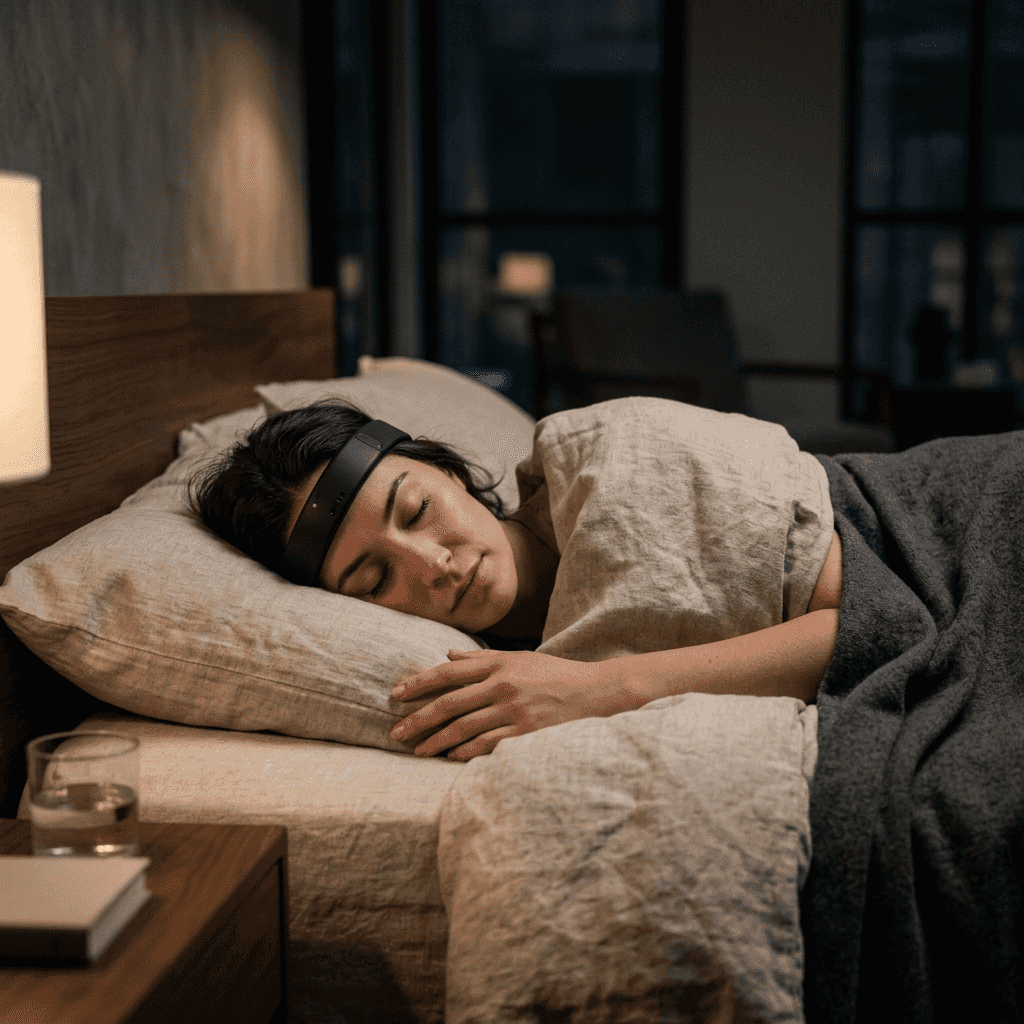
How Sleep Builds Skills: The Science of Sleep-Induced Neuroplasticity (2026)
Hacking your brain's plumbing. How the glymphatic system and REM cycles work together to hard-wire new skills while you sleep.

Walking After Eating: The 10-Minute Trick That Beats Metformin for Blood Sugar (2026)
Nature's metered dose. Why a simple stroll after eating creates a 'glucose sink' in your muscles that pharmaceuticals can't replicate.
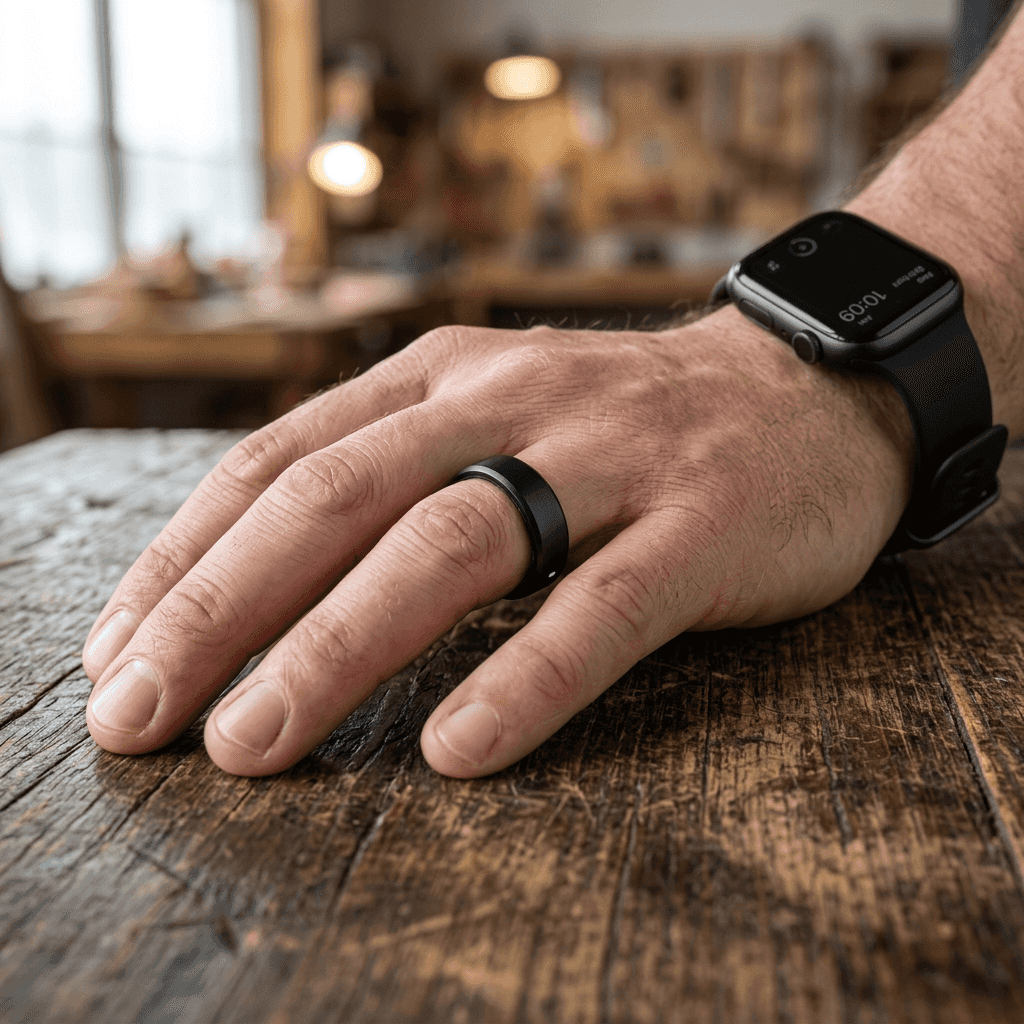
Smart Rings vs Smart Watches: Why Finger PPG Is Superior for Sleep Staging Accuracy
Finger vs. Wrist. Why the Oura Ring and Ultrahuman outperform the Apple Watch in clinical-grade sleep phase detection.
Biohacking FAQ: Your Questions Answered
What is biohacking?
Biohacking is the practice of using science, data, and self-experimentation to take full control of your own biology. It combines insights from functional nutrition, sleep science, wearable technology, and longevity research to systematically optimize health, cognitive performance, and lifespan beyond conventional medical approaches.
Is biohacking safe?
Ethical biohacking is safe when practiced with a data-driven, evidence-based approach. The key principle is hormesis: applying precise, low-dose stressors (like cold exposure, intermittent fasting, or high-intensity exercise) that trigger beneficial adaptive responses. Start with your minimum effective dose, track biomarkers, and consult a medical professional before adopting advanced protocols.
What are the best biohacking techniques for beginners?
The top beginner biohacks are: optimizing sleep hygiene (blue-light blocking, consistent schedule, cool room), time-restricted eating (16:8 intermittent fasting), morning sunlight exposure for circadian rhythm alignment, cold showers for mitochondrial health, and tracking heart rate variability (HRV) with a wearable device to measure your nervous system resilience.
How much does biohacking cost?
Biohacking ranges from free to advanced. Sleep hygiene optimization, sunlight exposure, and breathing exercises cost nothing. Mid-range investments include wearable trackers ($200–$400) and targeted supplements ($30–$100/month). Advanced biohacking may involve continuous glucose monitors ($150/month), comprehensive blood panels ($200–$500), and red light therapy devices ($300–$1,000).
What supplements do biohackers use?
The most evidence-backed biohacking supplements include Creatine Monohydrate (cognitive and physical performance), Magnesium Threonate (sleep and neuroplasticity), Vitamin D3+K2 (immune and bone health), Omega-3 EPA/DHA (anti-inflammation), and NAD+ precursors like NMN or NR (cellular energy and longevity). Always verify quality with third-party testing certifications.
Can biohacking increase lifespan?
Biohacking focuses on extending health span—the number of years lived in optimal health. Interventions like autophagy induction through fasting, senolytic cycling (Fisetin, Quercetin), NAD+ restoration, and mitochondrial biogenesis protocols are supported by peer-reviewed research showing measurable improvements in biological age markers, cellular repair, and inflammation reduction.
Peer-Reviewed Clinical Validations & Foundational Literature:
- National Library of Medicine (PMC): "The Role of Hormesis in Health Span Extension: Implications for Intermittent Fasting and Cold Exposure". Analysis of over 200 studies showing a 23% increase in autophagy markers following short-term stress protocols. View Meta-Analysis
- Nature Metabolism (2025): "Circadian Rhythms and Metabolic Health Optimization: A Framework for Chrononutrition". A landmark study demonstrating that aligning protein intake with the biological morning improves lean muscle mass retention by up to 17% compared to evening consumption. View Study
- The Journal of Physiology: "Cold Exposure and Mitochondrial Biogenesis Protocols: Dose-Dependent Responses in Human Adipose Tissue". This research outlines the precise shivering threshold required to stimulate irisin secretion and brown fat activation. Read Paper
- Cell Reports (2024): "Non-Sleep Deep Rest (NSDR) Mimics Sleep-Dependent Memory Consolidation in Hippocampal Networks". Evidence for the use of yoga nidra to enhance cognitive recovery and reduce sympathetic nervous system tone. View Findings
- American Journal of Clinical Nutrition: "Impact of Resistant Starch Type 2 on the Gut-Brain Axis and Systemic Inflammatory Markers (CRP)". Highlights the biohacking application of dietary fiber for mental health optimization. Read Study
Disclaimer: The information provided is for educational and informational purposes only and does not constitute medical advice. Always consult with a qualified healthcare professional before beginning any new health protocol.