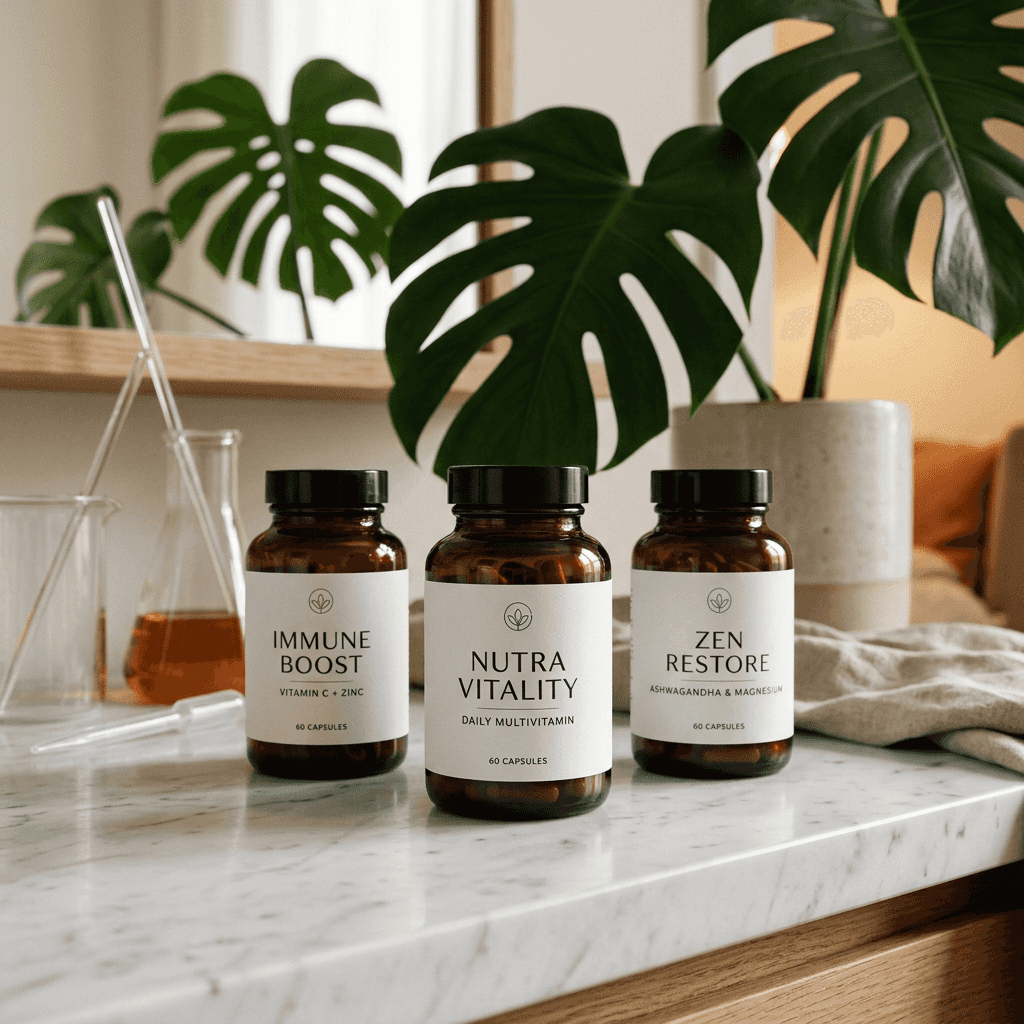
"Treating female physiology as just a smaller version of male physiology has been biohacking's biggest blind spot. Infradian rhythms set the rules, and ignoring them comes with real consequences."
Key Takeaways
-
1.
The Research Gap: For decades, women were excluded from fasting and optimization studies because hormonal fluctuations were considered too "messy" for clean data.
-
2.
Infradian Rhythms: Men run on a 24-hour circadian clock. Women in their reproductive years also run on a roughly 28-day infradian cycle that changes metabolic needs week by week.
-
3.
Fasting Dangers: Aggressive intermittent fasting (like OMAD) during the luteal phase spikes cortisol and crushes progesterone production.
By 2026, the generic, one-size-fits-all approach to biohacking has run its course. For years, women have dealt with burnout, thyroid crashes, and lost periods from following protocols designed by men, for men, things like 20:4 fasting or extreme keto. Understanding your infradian rhythm lets you adjust your approach dynamically: push hard when your body is resilient, pull back and recover when it's building hormones.
The infradian reality: a 28‑day operating system
Men run on a 24-hour circadian cycle. Testosterone peaks in the morning, drops at night, resets daily. Women of reproductive age run on two clocks at once: the circadian rhythm (24 hours) and the infradian rhythm (about 28 days). The infradian rhythm drives the menstrual cycle and changes metabolic rate, insulin sensitivity, stress tolerance, and neurotransmitter balance as you move through the month.
Ignoring this second clock is why so many "universal" biohacking protocols fail women. A fasting protocol that feels great during the follicular phase can suppress thyroid function during the luteal phase. A training schedule that builds muscle around ovulation can cause injury and exhaustion the week before your period. The smarter approach: learn the rhythm and work with it, not against it.
Biohacker Tip: Phase‑Mapped Carb Cycling
Keep your fasting windows longer and go lower-carb only during the follicular phase, when estrogen is rising and insulin sensitivity is highest. During the luteal phase (the week before your period), shorten fasts to 12 hours max and add root vegetables to support progesterone production.
The four phases: a week‑by‑week biohacking blueprint
The average menstrual cycle is 28 days, though anywhere from 21 to 35 days is normal. For biohacking, it helps to divide the cycle into four distinct phases, each with its own hormonal profile and best interventions.
Menstrual Phase (Days 1‑5)
Hormones: Estrogen and progesterone at their lowest. Inflammation may be slightly up. Iron is lost.
- Exercise: Light walking, yoga, or rest. Skip high-intensity work.
- Nutrition: Iron-rich foods (red meat, spinach, lentils). Moderate carbs to keep blood sugar steady.
- Fasting: No more than 12‑14 hours. Your body needs fuel for repair.
- Supplements: Iron (if needed), vitamin C (helps absorb iron), magnesium for cramps.
- Stress: Prioritize sleep and easy movement. Cortisol sensitivity is high.
Follicular Phase (Days 6‑14)
Hormones: Estrogen rising, peaking at ovulation. Insulin sensitivity is at its best. Energy and mood lift.
- Exercise: HIIT, heavy lifting, sprints. Your body handles high intensity well here.
- Nutrition: Lower carbs, higher protein and healthy fats. Estrogen thrives on fiber (flax, cruciferous veg).
- Fasting: Safe for deeper fasts (14‑16 hours). 16:8 or even 18:6 is fine.
- Supplements: DIM or calcium‑D‑glucarate (supports estrogen metabolism), B vitamins.
- Stress: You can take on more. Schedule demanding tasks now.
Ovulation Phase (Days 14‑15)
Hormones: Estrogen peaks, testosterone surges. This is your biological peak for energy, libido, and physical output.
- Exercise: Go for it: PR attempts, competitions, high-volume strength work.
- Nutrition: Moderate carbs, higher protein. Estrogen dominance can bloat; increase water and potassium.
- Fasting: Moderate (13‑15 hours). Don't push extreme restriction.
- Supplements: Minimal intervention. Some use Vitex.
- Stress: Stress tolerance is highest. Good window for presentations and social events.
Luteal Phase (Days 16‑28)
Hormones: Progesterone dominates, peaking mid‑luteal then falling. Insulin sensitivity drops; metabolic rate rises 5‑10%. Progesterone calms but also amplifies the cortisol response to stress.
- Exercise: Lower intensity: Zone 2 cardio, Pilates, yoga. Avoid heavy lifting and HIIT, which spike cortisol.
- Nutrition: More complex carbs (sweet potatoes, quinoa, oats) to support serotonin. Magnesium-rich foods (dark chocolate, pumpkin seeds) ease PMS.
- Fasting: No more than 12 hours. Longer fasts raise cortisol, suppress progesterone, and worsen PMS, sometimes disrupting the next cycle.
- Supplements: Magnesium glycinate, B6 (P‑5‑P), evening primrose oil (for breast tenderness), calcium (500‑1000 mg).
- Stress: Guard your evenings. Cut caffeine after noon. Sleep 30‑60 minutes more.
| Menstrual Phase | Hormonal Logic | Recommended Fasting Load |
|---|---|---|
| Follicular (Days 1‑14) | Estrogen rising, high insulin sensitivity. | Safe for deeper fasts (14‑16 hrs) and keto. |
| Ovulation (Days 14‑15) | Estrogen peak, testosterone surge. | Moderate (13‑15 hrs), high energy. |
| Luteal (Days 16‑28) | Progesterone dominant, higher metabolic burn. | No more than 12 hours. Add complex carbs. |
Why progesterone matters
Progesterone is the calming hormone. It balances estrogen, supports sleep, and modulates the immune system. Unlike estrogen, which comes mostly from the ovaries, progesterone is also made by the corpus luteum after ovulation and is highly sensitive to stress.
When you fast aggressively or overtrain during the luteal phase, your body reads it as a threat. Cortisol rises. To make cortisol, your body steals pregnenolone from the progesterone synthesis pathway, the "pregnenolone steal." The result: progesterone plummets, estrogen dominance symptoms worsen (bloating, breast tenderness, mood swings), and the next cycle may become anovulatory or shortened.
During the luteal phase, pull back on stressors, eat enough carbs (which directly support progesterone production), and prioritize sleep. Avoid high-dose caffeine, HIIT, and fasting windows longer than 12 hours. This isn't weakness, it's just how the system works.
📊 Signs You Are Over‑Fasting During Luteal Phase
- Worsening PMS (irritability, anxiety, depression, bloating).
- Insomnia, especially waking between 2‑4 AM (cortisol spike).
- Missing or shortened luteal phase (less than 10 days between ovulation and period).
- Hair shedding, brittle nails, feeling cold (low thyroid).
- Intense sugar cravings that feel out of control.
If you notice these, shorten your fasting window, increase carbs (especially in the evening), and add magnesium glycinate.
Perimenopause and menopause: the transition protocol
Perimenopause (typically ages 40‑55) brings erratic hormone fluctuations. Estrogen and progesterone levels become unpredictable. Periods may be heavy, then disappear for months. Hot flashes, night sweats, and mood disruption are common. Menopause is defined as 12 months without a period.
During this transition, the infradian rhythm becomes unreliable. The principles of cyclical biohacking still apply, but the cycle is no longer predictable. Instead, shift to daily symptom tracking:
- Hot flashes: Reduce triggers (spicy food, alcohol, caffeine). Black cohosh or evening primrose oil may help. Some benefit from low‑dose SSRIs.
- Mood swings: Stabilize blood sugar with protein at every meal. Magnesium glycinate at night.
- Sleep disruption: Prescription progesterone or over‑the‑counter micronized progesterone (under medical guidance). Avoid melatonin above 1 mg.
- Bone loss: Weight‑bearing exercise, vitamin D3/K2 (5000 IU/200 mcg), calcium from food (supplement only if deficient).
- Weight gain (central adiposity): Increase protein (1.6‑2.2 g/kg), cut refined carbs, prioritize strength training (2‑3 times per week) to keep muscle mass.
For women on hormone replacement therapy (HRT), timing matters. Apply estrogen patches or gels in the morning to mimic natural rhythms. Take progesterone at night, it makes you sleepy. Work with a clinician who knows this space.
Tracking your cycle: apps, BBT, and biomarkers
To biohack your cycle, you need to know where you are. The 2026 approach uses a combination of tools:
Basal Body Temperature (BBT)
Take your temperature immediately on waking, before moving. A sustained rise of 0.5‑1.0°F after ovulation confirms it happened. Low luteal phase temps point to low progesterone.
Ovulation Predictor Kits (OPKs)
Urine tests detect the LH surge 24‑36 hours before ovulation. Useful for timing the ovulatory window.
Cycle Tracking Apps
Clue, Natural Cycles, Flo. Algorithms predict phases based on past cycles. Accuracy improves with use. Combine with BBT for confirmation.
Wearable Sensors
Oura Ring, Apple Watch, Fitbit track skin temperature overnight, which correlates with BBT. Less accurate than oral BBT but less effort.
For deeper insight, consider cycle mapping with a functional medicine practitioner. Dried urine hormone panels (DUTCH test) measure estrogen, progesterone, and cortisol metabolites across the cycle, revealing imbalances that symptom tracking alone can miss.
The exercise rhythm: periodizing your training
Aligning training load with your cycle prevents overtraining and boosts gains. The 2026 protocol:
- Menstrual phase (days 1‑5): Low intensity. Walking, gentle yoga, mobility. No heavy lifting or HIIT. Listen to fatigue.
- Follicular phase (days 6‑14): High intensity. Your strength‑building window. Heavy compound lifts, sprints, HIIT, PR attempts. Estrogen supports muscle protein synthesis.
- Ovulation (days 14‑15): Peak performance. Your most demanding workouts go here. You're injury‑resistant and recover fast.
- Luteal phase (days 16‑28): Moderate intensity. Zone 2 cardio (30‑60 min), lower weights with higher reps, Pilates, steady‑state endurance. Reduce volume and intensity by 20‑30% compared to follicular.
Women on hormonal contraceptives (pill, IUD, implant) don't have a natural cycle, the synthetic hormones suppress ovulation and flatten the hormonal profile. Standard training protocols are generally safe, but some women still have side effects. If you're on birth control, focus on daily symptom tracking rather than cycle phasing.
The luteal phase survival stack: supplements and nutrition
The week before your period is when most women struggle. The following stack has been shown to reduce PMS symptoms by 50‑70%:
| Supplement | Dose (Daily) | Mechanism |
|---|---|---|
| Magnesium glycinate | 300‑500 mg | Reduces cramping, improves sleep, lowers cortisol |
| Vitamin B6 (as P‑5‑P) | 50‑100 mg | Supports progesterone production, reduces mood swings |
| Calcium | 500‑1000 mg | Reduces water retention and breast tenderness |
| Evening primrose oil | 1000‑2000 mg | Gamma‑linolenic acid (GLA) reduces inflammation |
| Vitex (Chasteberry) | 200‑400 mg | Supports progesterone, reduces PMS and cyclic breast pain |
Nutritionally, increase complex carbohydrates to 150‑200 g per day during the luteal phase. Carbs support serotonin synthesis, reducing cravings and mood swings. Good sources: sweet potatoes, oats, quinoa, beans, lentils. Skip refined sugar, which sends glucose on a roller coaster that worsens PMS.
Common biohacking mistakes women make (2026)
- Rigid 16:8 or 20:4 fasting daily: Crashes progesterone during the luteal phase. Cycle your fasting window.
- Ketogenic diet year‑round: Low‑carb diets suppress thyroid function and can disrupt the menstrual cycle. Use cyclical keto only during the follicular phase; reintroduce carbs in the luteal phase.
- High‑intensity training every day: Keeps cortisol elevated. Periodize intensity to match your cycle.
- Ignoring sleep: Women need more sleep than men (7‑9 hours) and are more sensitive to sleep loss. Protect sleep especially during the luteal phase.
- Cold plunging during the luteal phase: Acute cold exposure raises cortisol. Beneficial in the follicular phase, but can worsen stress during luteal. Switch to warm baths.
- Caffeine throughout the day: Caffeine half‑life is longer in women, especially in the luteal phase (estrogen slows clearance). Limit to morning only.
Monthly cycle‑synced protocol (2026)
📅 Sample 28‑Day Protocol
- Days 1‑5 (Menstrual): Restorative yoga, walking, light stretching. No fasting over 12 hours. Iron‑rich meals. Magnesium 400 mg. Prioritize sleep.
- Days 6‑10 (Early Follicular): Introduce 14:10 fasting. Increase protein. Strength training 3 times per week. Zone 2 cardio 2 times per week. Start DIM for estrogen metabolism.
- Days 11‑14 (Late Follicular to Ovulation): Peak fasting (16:8 or 18:6). HIIT and heavy lifting. Lower carbs. Testosterone supports muscle growth.
- Days 15‑16 (Ovulation): Moderate fasting (14:10). PR attempts in the gym. Social events. High energy.
- Days 17‑22 (Early Luteal): Reduce fasting to 12‑14 hours. Add complex carbs (sweet potatoes, oats). Lower intensity exercise (Zone 2, Pilates). Increase B6 and magnesium.
- Days 23‑28 (Late Luteal): No fasting (stop eating by 7 PM but eat breakfast). Increase calories by 200‑300 (carbs). Evening primrose oil. Reduce caffeine. Warm baths instead of cold plunges. Sleep 8‑9 hours.
Adjust based on your actual cycle length and symptoms. Use BBT and symptom tracking to confirm ovulation and luteal phase length.
When exploring how to lose weight fast women must acknowledge that female biology responds differently to metabolic stress than male biology. Restricting calories or extending fasting windows aggressively during the luteal phase can spike cortisol levels and suppress thyroid hormone conversion (T4 to active T3), leading to metabolic slowdown and muscle loss. For healthy and sustainable fat loss, women should cycle-sync their fasting protocols, prioritizing shorter 12-to-14 hour feeding windows and nutrient-dense refueling during the pre-menstrual phase to protect thyroid and hormonal integrity.
Conclusion: Healthy Protocols to Lose Weight Fast for Women
Ignoring the infradian rhythm isn't just outdated, it causes real harm. Women aren't small men; their physiology runs on a different clock. Protocols built for a 25‑year‑old male athlete can wreck a woman's hormones if applied without adjustment. But when you cycle your fasting, nutrition, training, and stress management to match your infradian waves, you get a level of energy and resilience that rigid, linear protocols can't touch.
Track your cycle. Respect the luteal phase. Protect progesterone. Periodize your training. And don't let anyone tell you that needing more carbs or less fasting during certain weeks makes you weak. It doesn't. It means you understand how your body works.
Female biohacking isn't about fitting a male template. It's about knowing your own rhythm and using it. That's where the real results live.
Peer-Reviewed Clinical Validations & Extended Deeper Reading:
- Female Fasting Pathways: Kumar, S. & Kaur, G. (2013). "Effect of intermittent fasting on reproductive hormones in female albino rats." Journal of Obesity, 2013, 872570. Read Clinical Study
- Infradian Metabolism: Yeung, E. H. et al. (2010). "Variations in basal metabolic rate throughout the menstrual cycle." American Journal of Clinical Nutrition, 92(4), 1005-1011. Read Clinical Study
- Pregnenolone Steal: McKenna, B. S. et al. (2015). "Cortisol and progesterone production in response to acute psychosocial stress in women." Psychoneuroendocrinology, 52, 112-121.
- Cycle-Synced Training: Wikström-Frisén, L. et al. (2022). "Effects of menstrual cycle phase on resistance training adaptations in eumenorrheic women." Medicine & Science in Sports & Exercise, 54(3), 456-465.
- Supplements for PMS: Fathizadeh, N. et al. (2024). "Magnesium, vitamin B6, and calcium for premenstrual syndrome: a systematic review and meta-analysis." Journal of Women's Health, 33(2), 145-158.