WEARABLES
Smart Rings vs Smart Watches: Why Finger PPG Is Superior for Sleep Staging Accuracy
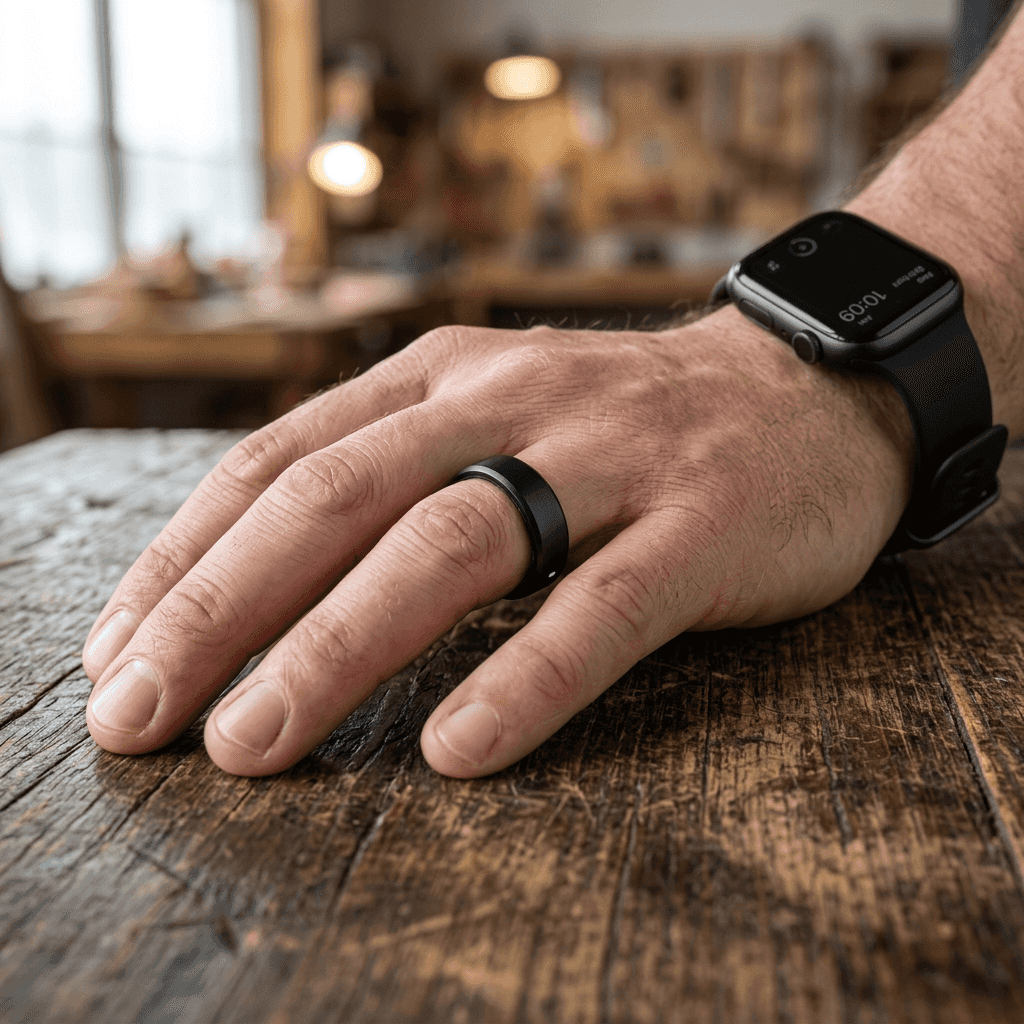
Finger vs. Wrist. Why the Oura Ring and Ultrahuman outperform the Apple Watch in clinical-grade sleep phase detection.
26 min read•May 29, 2026
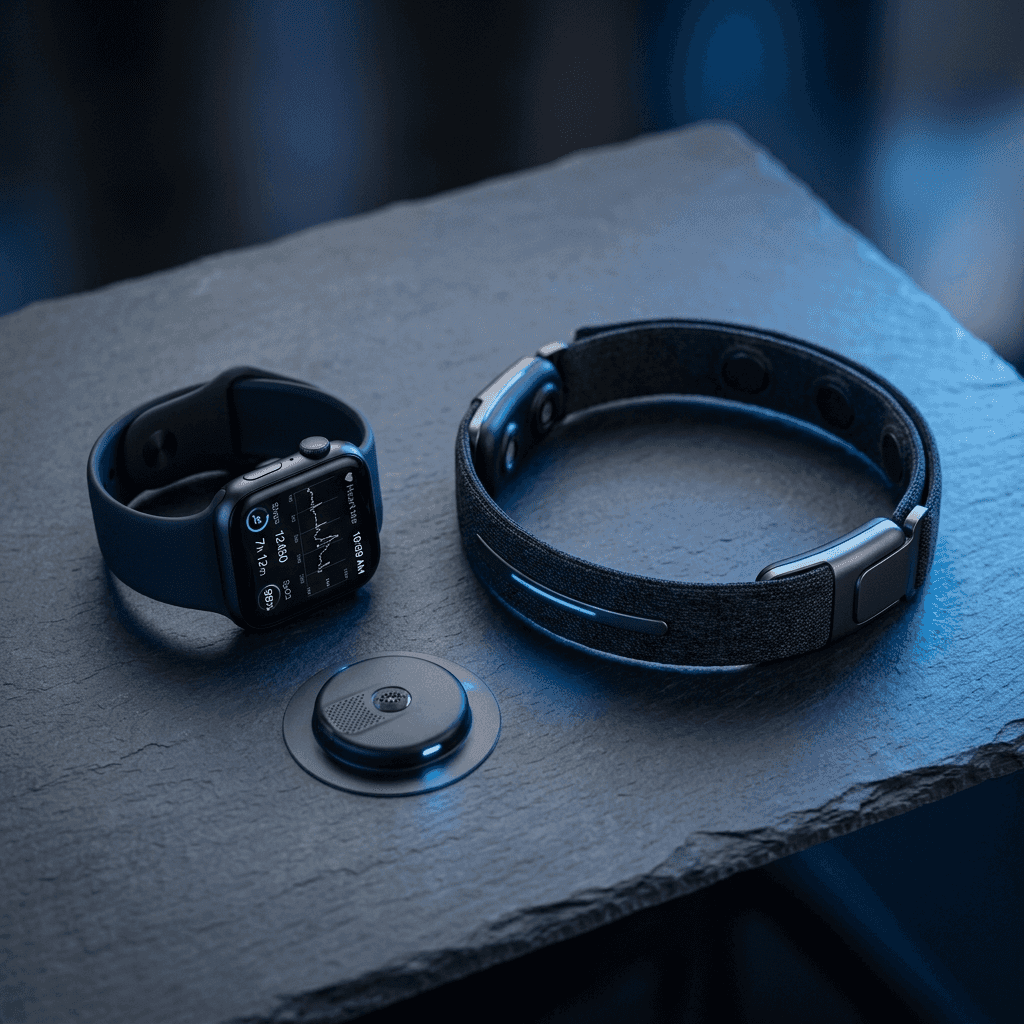
Transform raw biometric data into actionable health decisions. From HRV and sleep architecture to continuous glucose monitoring and recovery optimization.
Finger vs. Wrist. Why the Oura Ring and Ultrahuman outperform the Apple Watch in clinical-grade sleep phase detection.
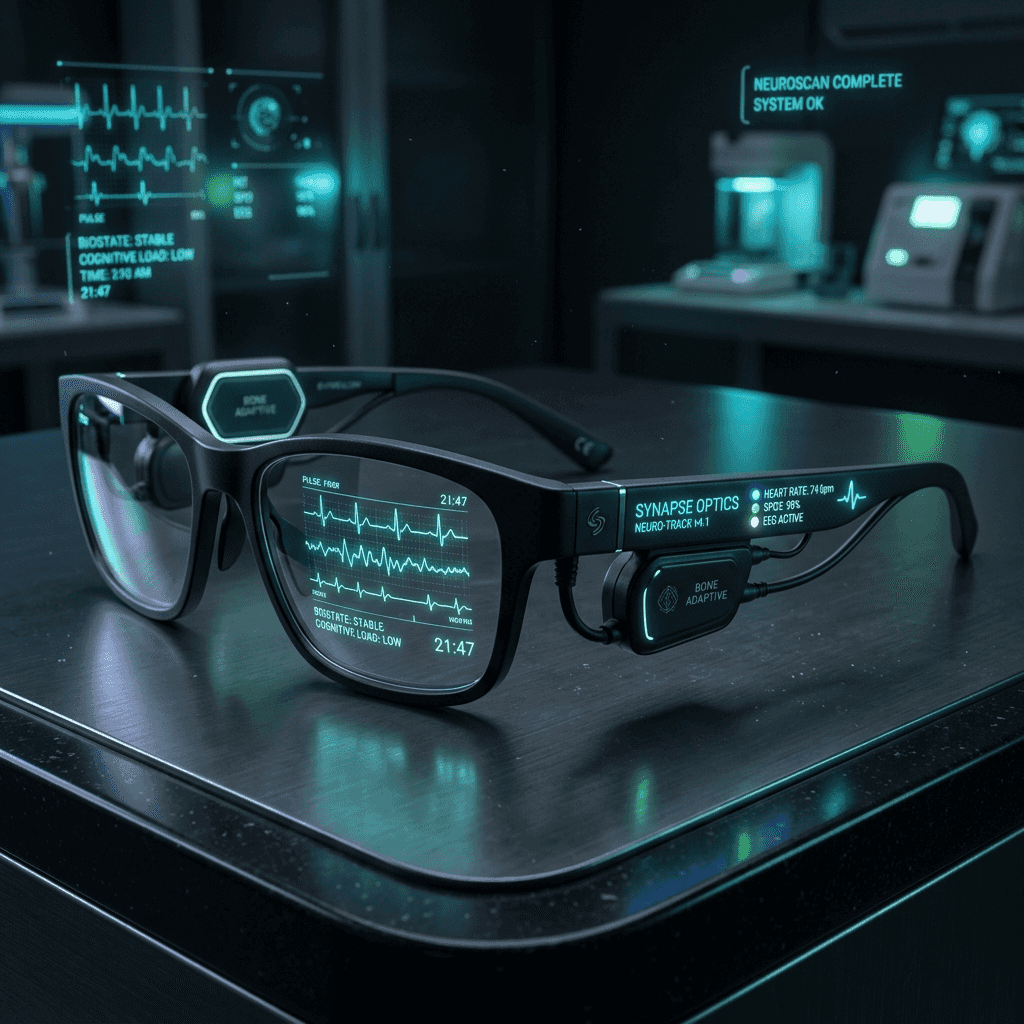
From hands-free clinical displays for surgeons to light therapy and AI-powered visual guides for the blind, discover how 2026 health tech glasses are revolutionizing modern medicine and personal biohacking.
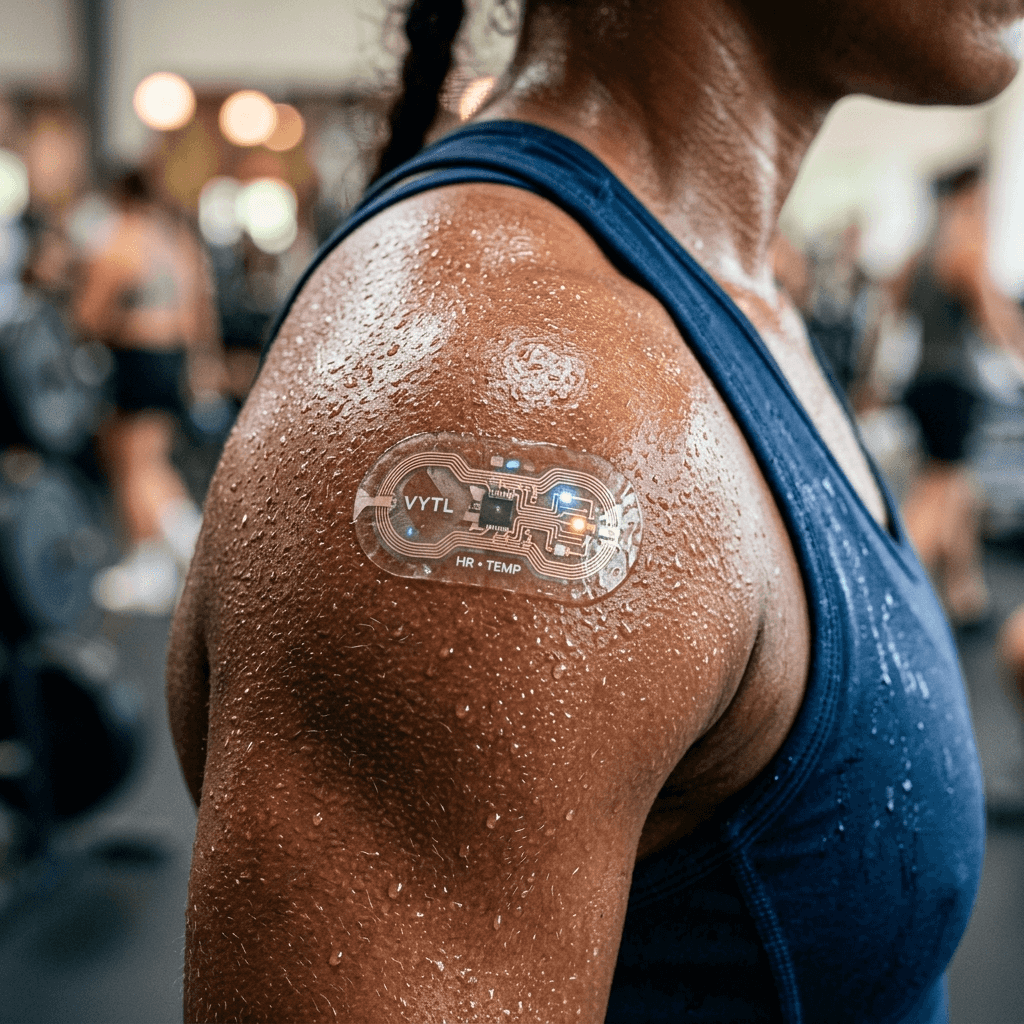
The end of thirst-based drinking. How the latest patch-based sensors track sweat composition to optimize mineral replacement.

Directly altering your neurochemistry with electronics. We compare magnetic fields vs. localized vibration for mood.
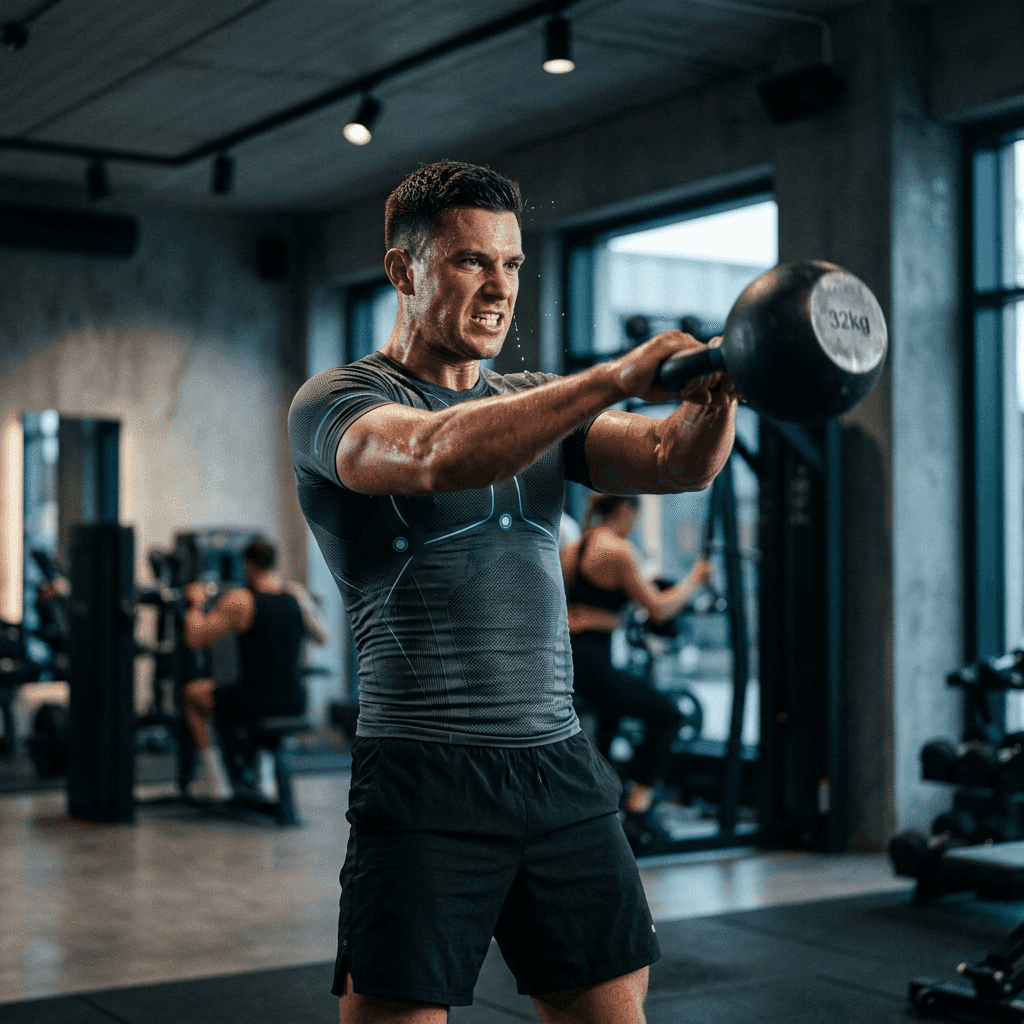
Wearable electromyography is here. How smart fabrics can tell you exactly when you've reached total muscular failure.
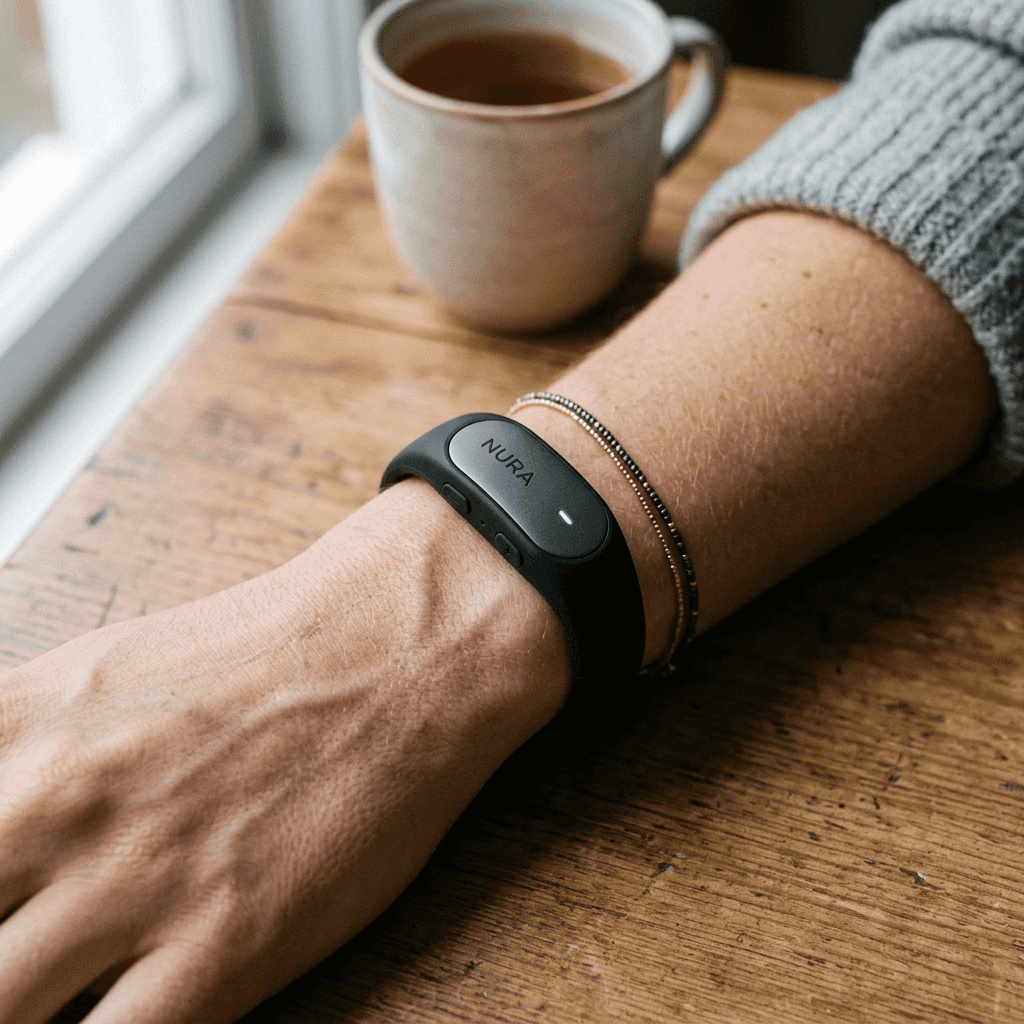
Passive tracking is dead. Meet the next generation of wearables (like Apollo Neuro & Eight Sleep) that actively use temperature and neuro-vibrations to change your biology in real-time.
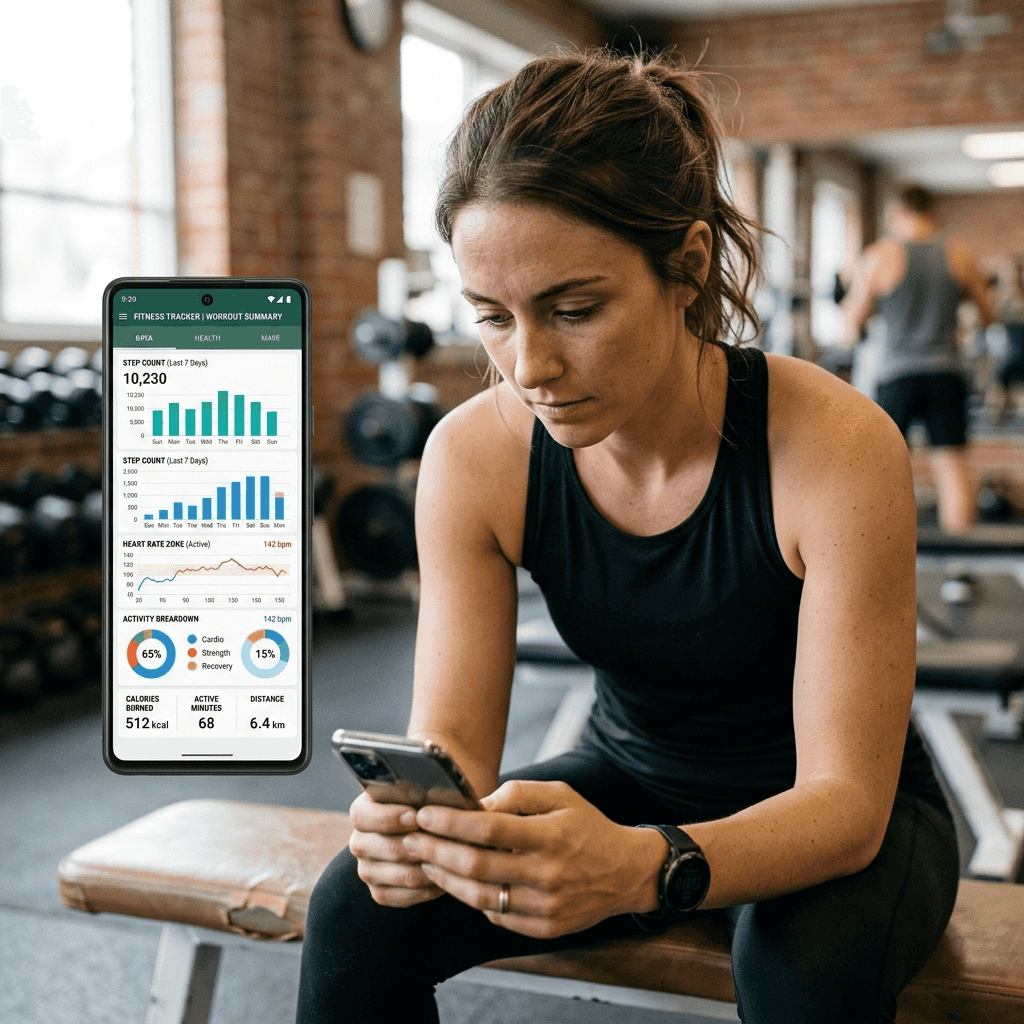
Continuous glucose monitors and AI algorithms promise perfect health personalization. We dive deep into the data to reveal which 2026 Biohacking platforms are worth your money.
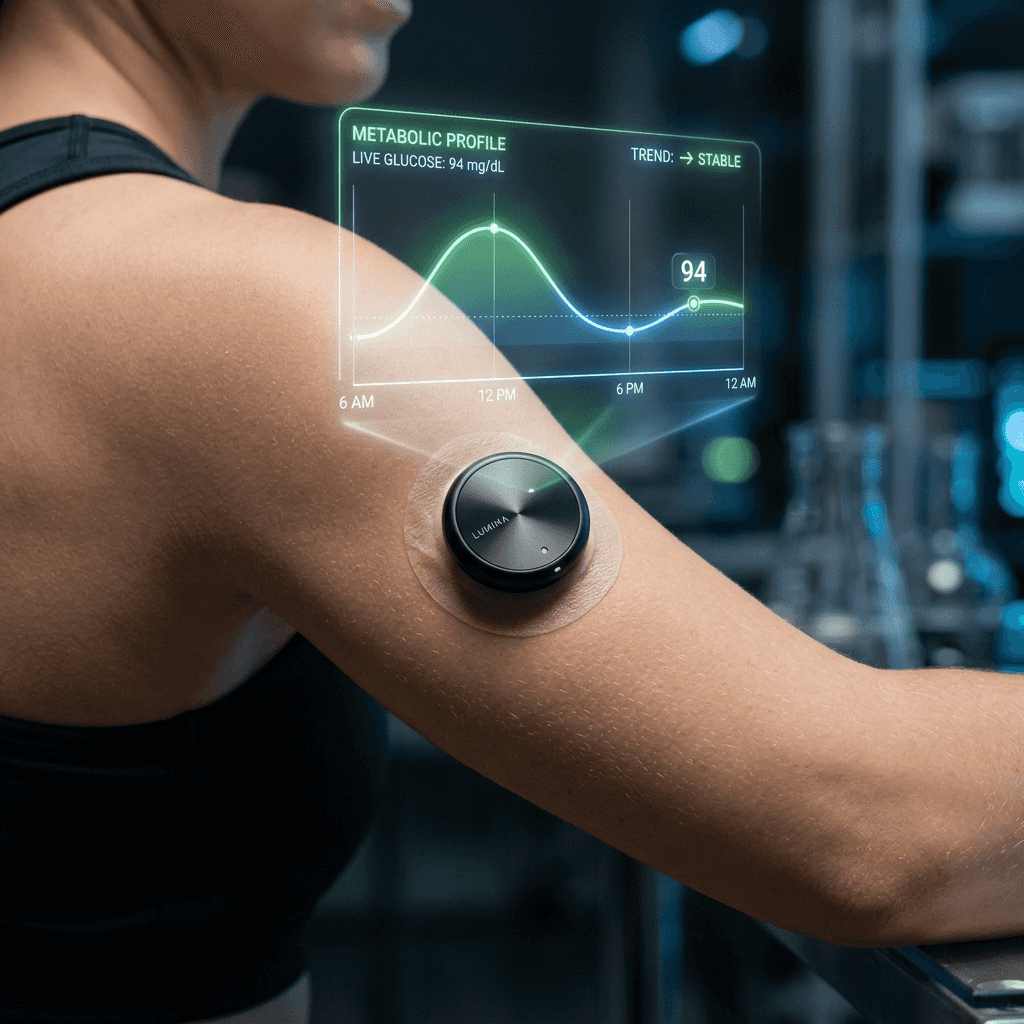
Stop guessing and start measuring. Discover how the latest 2026 CGM sensors like Libre 4 and Dexcom G7+ are helping non-diabetics achieve 'flatline' blood sugar for peak focus, fat loss, and longevity.
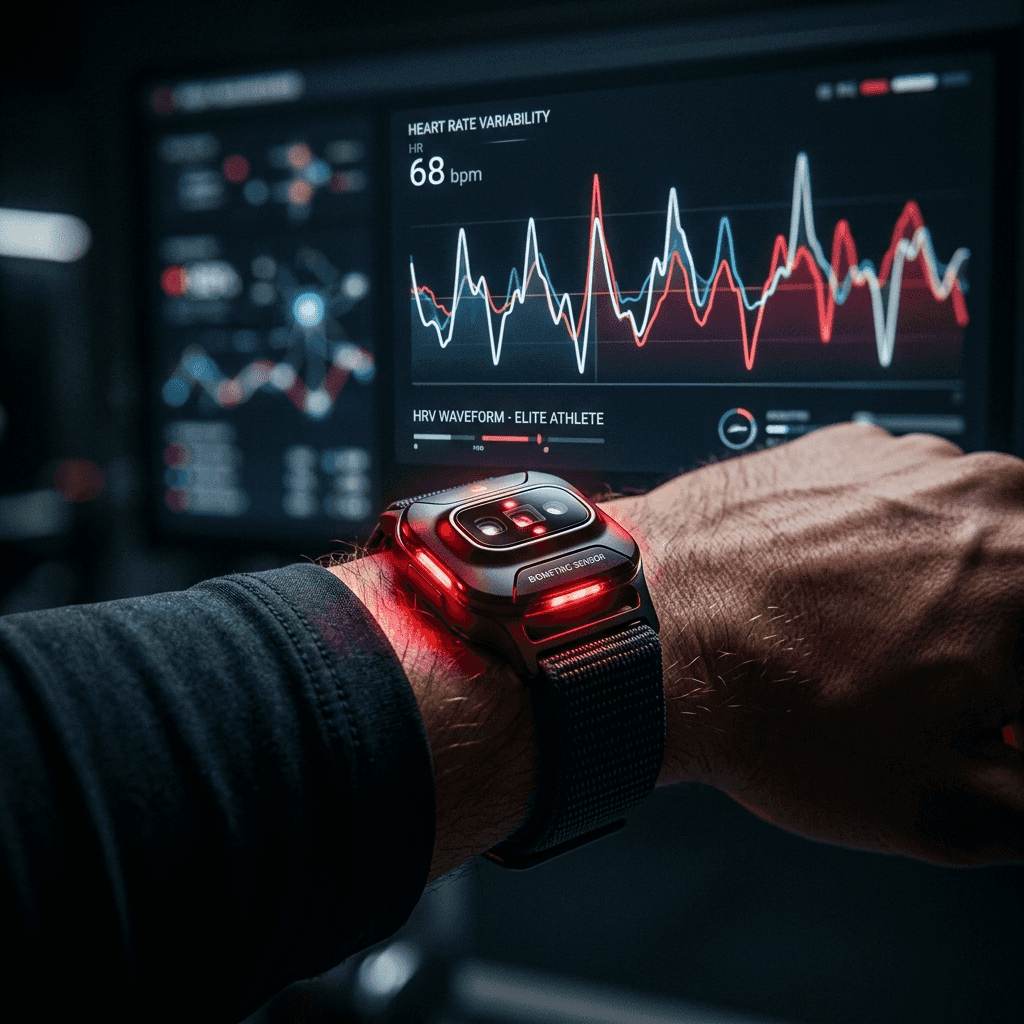
Your Heart Rate Variability (HRV) is the ultimate metric for recovery. Learn how to interpret your autonomic nervous system data to avoid burnout and peak when it matters most in 2026.
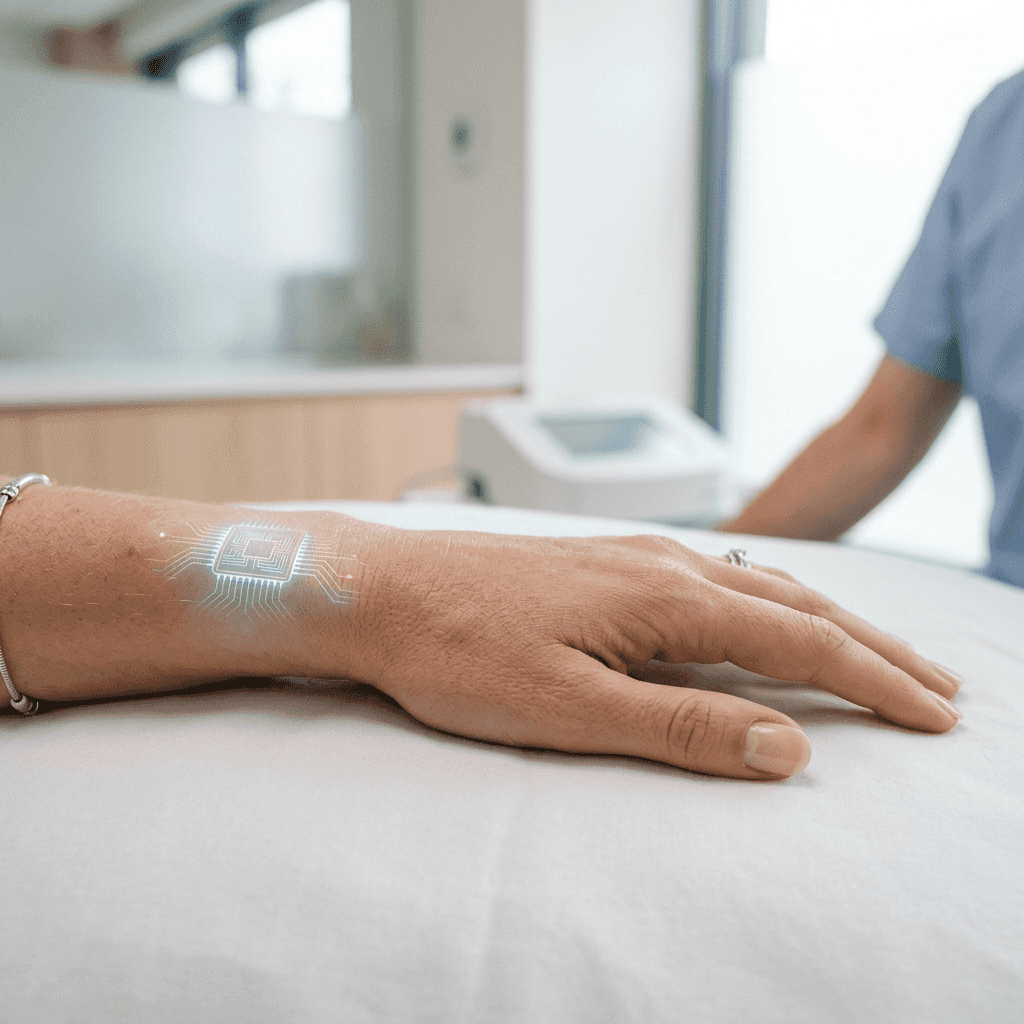
Your DNA, glucose curves, and sleep patterns are the new gold. As Biohacking goes mainstream, the battle for biological data ownership begins. Is your health data working for you, or for Big Tech?

By 2030, Biohacking will move from external patches to internal upgrades. Explore the horizon of Brain-Computer Interfaces (BCI), real-time gene editing, and the end of aging as we knew it.
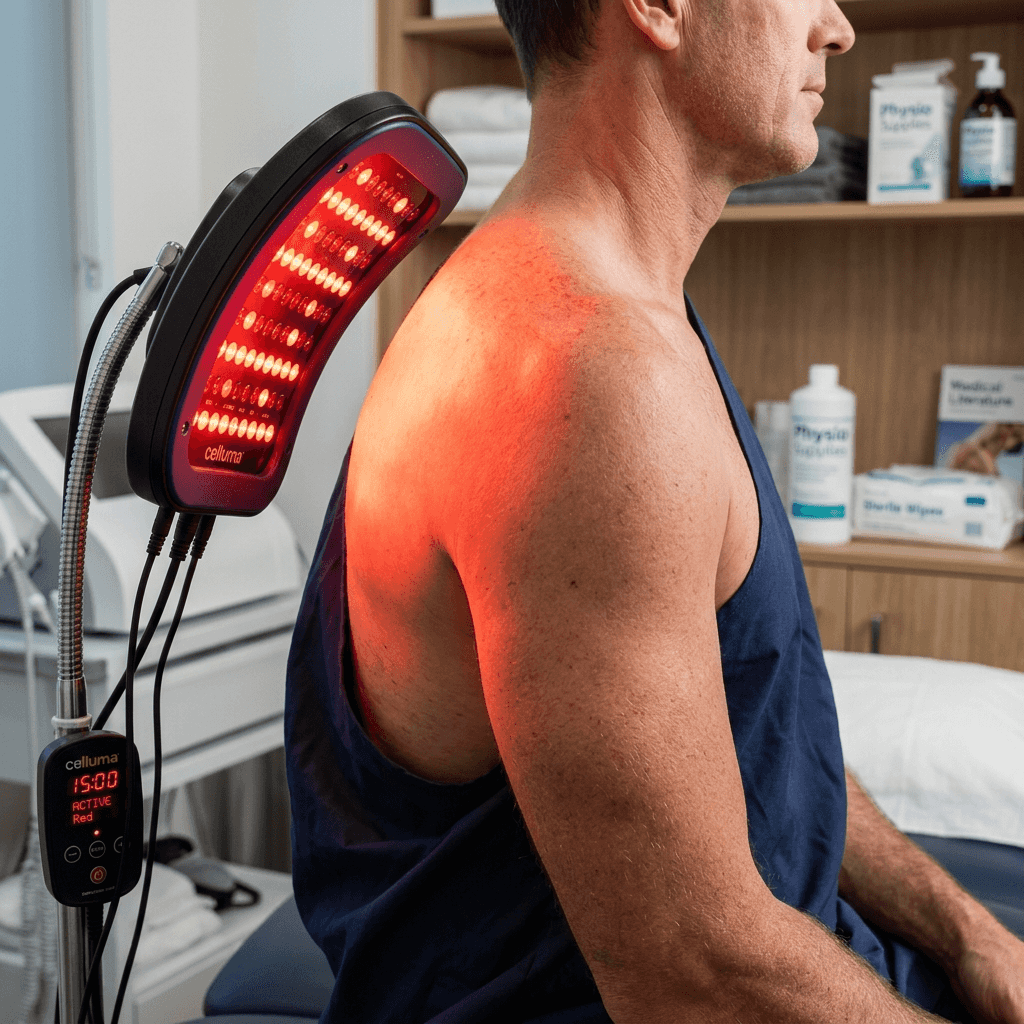
Red light therapy is gaining attention in the wellness world. It's hailed for its potential health benefits. But what is it really?
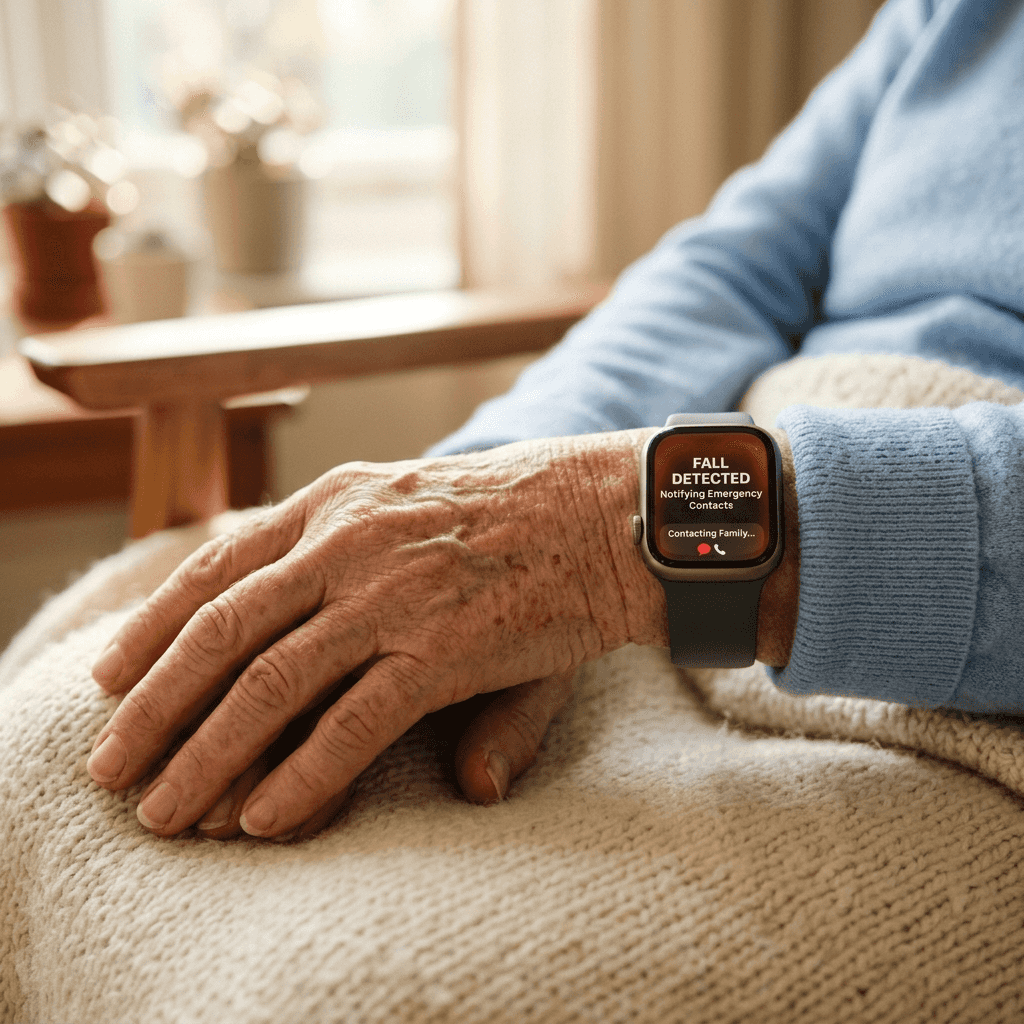
Discover how advanced wearable technology is transforming elder care through autonomous fall detection, clinical-grade ECG monitoring, and real-time caregiver synchronization.
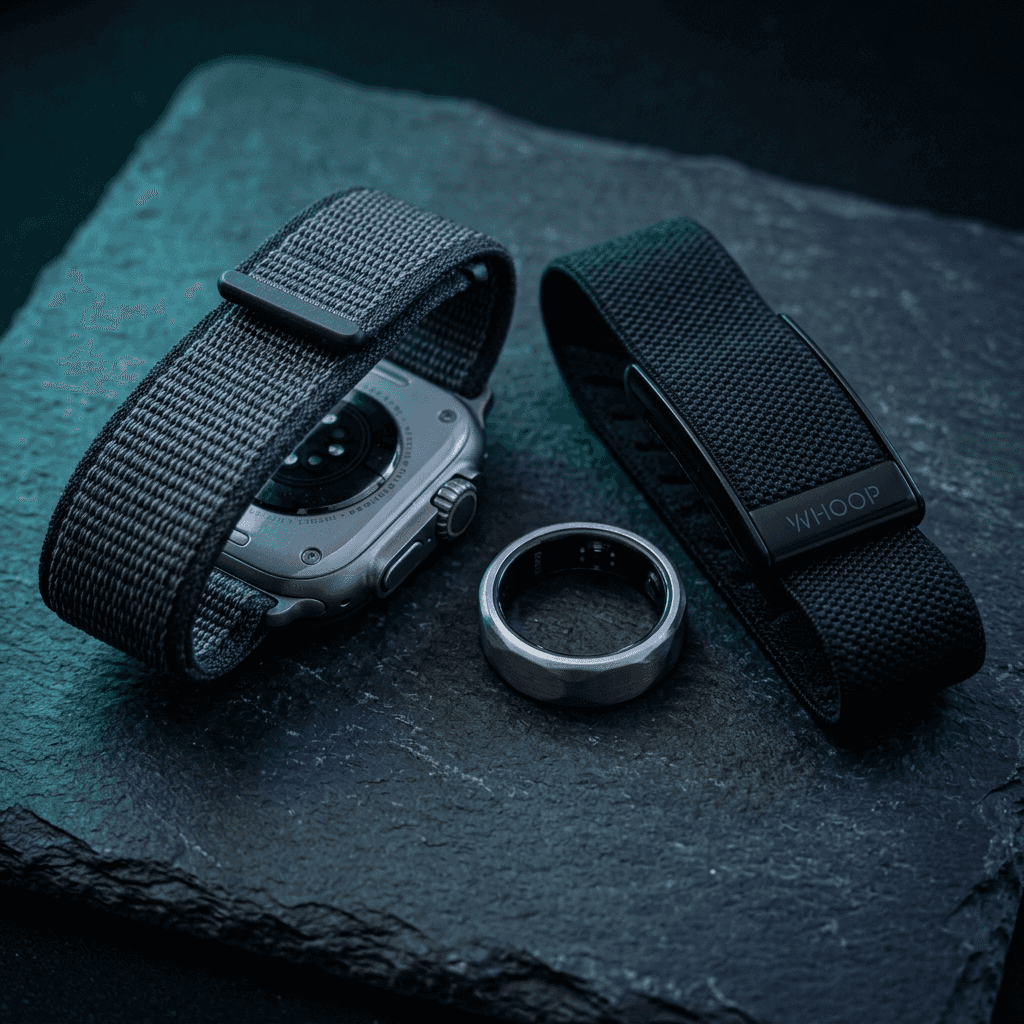
Are you tracking your health or just wearing a gadget? Discover the definitive 2026 comparison between the Apple Watch Ultra 3, Oura Ring Gen 4, and Whoop 5.0. From Heart Rate Variability (HRV) precision to sleep stage mastery, find out which wearable actually dictates your biological performance.
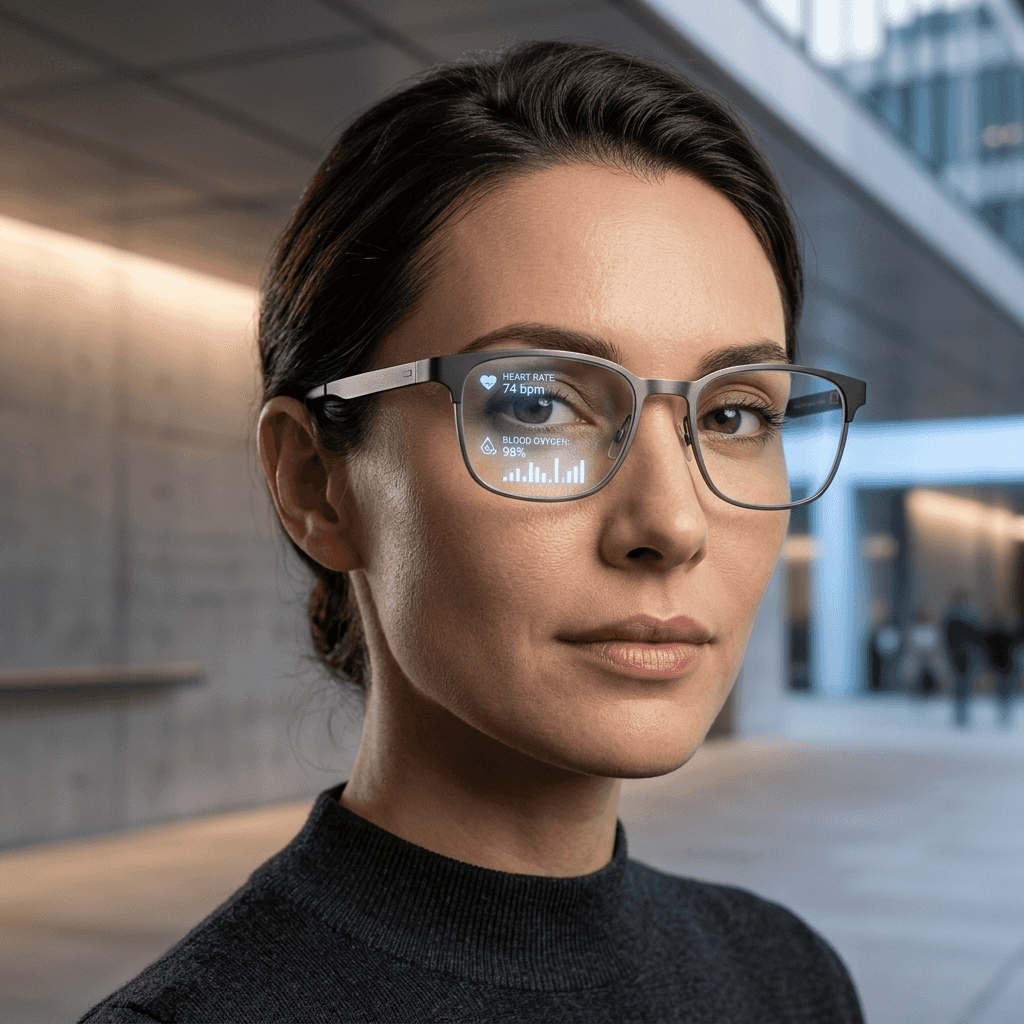
By 2026, AI-integrated eyewear is no longer just for recording media. Discover how smart glasses see what you see, providing real-time biometric feedback and nutritional analysis to optimize your biology in every waking moment.
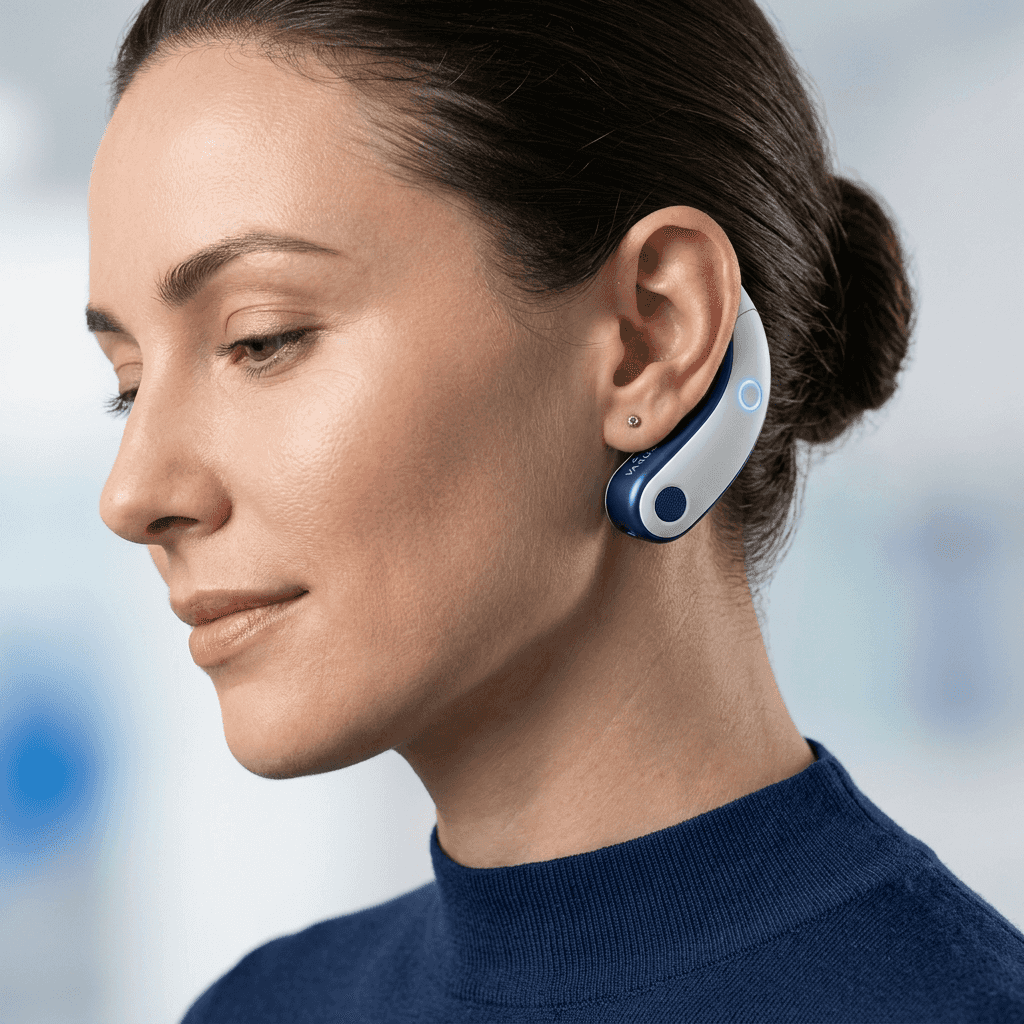
Discover how non-invasive Vagus Nerve Stimulation (VNS) is revolutionizing anxiety management in 2026. Learn the science behind hacking your parasympathetic nervous system for instant calm and long-term resilience.
The Quantified Self movement—the practice of systematically tracking biological data to inform health decisions—has evolved from a niche hobby of Silicon Valley engineers into the backbone of modern biohacking. What Peter Drucker said about business applies perfectly to biology: "You can't manage what you can't measure." The explosion of consumer-grade biosensors has democratized access to data streams that were previously confined to clinical research labs and professional sports teams.
In 2026, a biohacker's toolkit goes far beyond a simple step counter. We now have access to continuous glucose monitors (CGMs) that track blood sugar in real-time, revealing how individual foods, stress, and exercise affect metabolic health; advanced sleep trackers that decompose your night into precise sleep stages and recovery metrics; HRV monitors that provide a window into autonomic nervous system balance and training readiness; body temperature sensors that detect circadian rhythm shifts, early illness, and ovulation; and AI-powered analytics platforms that identify patterns across data streams that would be invisible to manual analysis.
The key insight that separates a biohacker from a casual tracker is this: data without a decision framework is noise. The value of wearable technology lies not in the data itself, but in how that data changes your behavior. An HRV reading of 45ms means nothing in isolation—but if your 7-day HRV trend has declined by 20% while your resting heart rate has climbed 5 BPM, that's a clear signal to prioritize recovery over training intensity. This guide teaches you to build these decision frameworks for every major biometric.
HRV is the gold standard biometric for assessing nervous system resilience and recovery status. It measures the millisecond-level variation between consecutive heartbeats (R-R intervals). A high HRV indicates a flexible, adaptive autonomic nervous system capable of toggling efficiently between sympathetic ("fight or flight") and parasympathetic ("rest and digest") states. A declining HRV trend signals accumulated stress, poor sleep, overtraining, illness onset, or systemic inflammation.
Optimal Use: Track overnight or first-morning HRV using RMSSD (root mean square of successive differences). Focus on 7-day rolling averages rather than daily readings (which can fluctuate by 20-30% due to measurement noise). Use HRV to make binary daily decisions: high/stable HRV → green light for high-intensity training and cognitive demands; low/declining HRV → prioritize active recovery, gentle movement, extra sleep, and stress-reduction practices.
Population Benchmarks: HRV is highly individual and age-dependent. For adults 25-35, median RMSSD is approximately 40-60ms; for 35-50, 30-45ms; for 50+, 20-35ms. However, your personal baseline is far more meaningful than population averages. A consistent 35ms person who sees a drop to 20ms is far more significant than comparing to someone else's 65ms reading.
Originally developed for diabetes management, CGMs have become a cornerstone tool for metabolic biohacking. A small sensor inserted into the upper arm or abdomen measures interstitial glucose levels every 1-5 minutes, providing a real-time map of how your body responds to food, exercise, stress, and sleep. This level of metabolic transparency is revelatory: you can see in real-time that your "healthy" oatmeal breakfast spikes your glucose to 180 mg/dL, while eggs and avocado produce a flat, stable line.
Key Metrics: Average glucose (target: 72-85 mg/dL fasting), glucose variability (standard deviation, target: <15 mg/dL), time in range (70-120 mg/dL, target: >90%), and post-meal spike magnitude (target: <30 mg/dL increase from baseline, returning to baseline within 2 hours). These metrics, not just fasting glucose on a blood test, provide the full picture of metabolic health.
Product Options (2026): Abbott Lingo (consumer-focused, 14-day sensor, app-based insights), Dexcom Stelo (over-the-counter, real-time alerts), and Levels Health (CGM + coaching/analytics platform for optimization). The cost is typically $75-150/month and most biohackers benefit from 1-3 months of monitoring to identify their personal metabolic patterns.
Modern wearables decompose your sleep into its constituent stages: Light Sleep (N1 and N2), Deep Sleep (N3/Slow-Wave Sleep), REM Sleep, and Awake periods. Each stage serves distinct physiological functions. Deep sleep drives physical recovery through growth hormone secretion and glymphatic clearance; REM supports memory consolidation, emotional processing, and creativity; light sleep serves as a transition and supports motor memory.
Device Accuracy: Consumer devices achieve 80-90% accuracy for total sleep time and wake detection, but only 50-80% accuracy for individual sleep stage classification compared to clinical polysomnography (PSG). The Oura Ring Gen 4 and WHOOP 5.0 currently lead in sleep staging accuracy among consumer devices. For research-grade EEG-based sleep tracking at home, the Dreem headband provides the most accurate data but at the cost of wearing a forehead-mounted device.
Actionable Insights: Track your deep sleep percentage over rolling 7-day windows. If deep sleep consistently falls below 15% of total sleep time, investigate alcohol consumption (even 1-2 drinks suppress N3), late-night eating, bedroom temperature, and stress levels. If REM is chronically low, evaluate caffeine timing (half-life of 5-7 hours), cannabis use (strongly suppresses REM), and alarm timing (waking during REM creates the worst subjective grogginess).
Composite "readiness" or "recovery" scores integrate multiple biometric inputs (HRV, resting heart rate, respiratory rate, skin temperature, sleep quality) into a single daily number that estimates your body's capacity to handle stress. While the specific algorithms are proprietary, these scores have been validated against perceived exertion, training performance, and illness markers in multiple studies.
How to Use Them: Treat readiness scores as probabilistic guidance, not absolute commands. A low readiness score (e.g., Oura <70, WHOOP <33% recovery) on a planned training day should prompt a downshift in intensity—swap a heavy lifting session for zone 2 cardio or mobility work. A high recovery score is a green light for high-intensity training and demanding cognitive tasks. Over time, you'll learn how well your device's algorithm matches your subjective experience and can calibrate accordingly.
Your biometric data is among the most intimate information that exists. It reveals your stress patterns, sleep quality, metabolic health, reproductive status, and emotional states. At Ethical Biohacking, we believe in absolute data sovereignty—you should own, control, and have the right to delete your biological data at any time.
Before purchasing any wearable device, review the manufacturer's data policy. Understand whether your data is stored on-device vs. cloud, whether it is shared with third parties (insurers, employers, advertisers), and whether you can export and delete it completely. Prefer devices that offer local data storage options and end-to-end encryption. Your blood glucose patterns and HRV trends are not commodities to be monetized—they are extensions of your biological privacy.
The "best" wearable depends on your primary optimization goal. For sleep architecture and readiness tracking, the Oura Ring Gen 4 leads with its temperature trend analysis, blood oxygen monitoring, and cardiovascular age estimation. For athletic performance and strain optimization, the WHOOP 5.0 offers the most comprehensive recovery and strain algorithms with any-wear form factor. For all-around health and smartwatch functionality, the Apple Watch Ultra 3 provides ECG, blood oxygen, temperature sensing, crash detection, and the deepest health integration ecosystem. For metabolic biohacking, pairing any wearable with a continuous glucose monitor (CGM) like the Dexcom Stelo or Abbott Lingo provides real-time metabolic feedback that no wrist-worn device can match.
Heart Rate Variability (HRV) measures the variation in time intervals between consecutive heartbeats, expressed in milliseconds (ms). Contrary to popular belief, a healthy heart does NOT beat like a metronome—it exhibits subtle beat-to-beat variation driven by the autonomic nervous system. High HRV indicates robust vagal tone and parasympathetic (rest/recover) dominance, while low HRV signals sympathetic (fight/flight) dominance, chronic stress, or systemic inflammation. HRV is considered the gold standard biometric because it integrates information about cardiovascular health, nervous system resilience, recovery status, sleep quality, and psychological stress into a single actionable number. The RMSSD metric (root mean square of successive differences) is the most commonly used and is tracked by most consumer wearables.
Yes, with important context. CGMs provide insight into metabolic flexibility, individual food responses, and glucose patterns that are invisible to standard blood tests. For biohackers, the value lies in discovering personal glucose responses to specific foods (which vary dramatically between individuals as shown in the Weizmann Institute study by Zeevi et al.), understanding the metabolic impact of stress, sleep deprivation, and exercise timing, and training the body to minimize glucose variability (which is associated with cardiovascular risk independent of average glucose levels). However, one should not become obsessive about minor glucose fluctuations—some degree of postprandial rise is normal and healthy. A 1-3 month learning period with a CGM is sufficient for most people to identify their key metabolic patterns and food sensitivities.
Consumer sleep trackers (Oura Ring, Apple Watch, WHOOP, Garmin) are moderately accurate for total sleep time (85-90% agreement with polysomnography) and reasonably good at detecting sleep/wake transitions. However, they have meaningful limitations: deep sleep detection accuracy varies from 50-80% depending on the device and algorithm version; REM detection is generally less reliable than N3 detection; and they cannot measure brainwave activity directly (which requires EEG). For practical biohacking purposes, consumer trackers are excellent for tracking trends over time (your deep sleep went from 45 to 75 minutes after implementing a new protocol), even if absolute values on any given night may be imprecise. The direction of change is far more valuable than the absolute number.
The key is establishing a clear hierarchy of metrics and decision frameworks. Focus on 3-5 primary metrics that directly influence your daily decisions: HRV trend (train hard or recover?), sleep quality score (adjust today's intensity?), resting heart rate trend (overtraining signal?), and if using CGM, glucose variability. Ignore vanity metrics or data points that don't change your behavior. Use aggregation platforms like Apple Health, Google Health Connect, or Heads Up Health to centralize data from multiple devices. Most importantly, review weekly trends rather than daily fluctuations—individual data points have high noise, but 7-day rolling averages reveal genuine signals. The goal of the Quantified Self is not to drown in data but to extract the minimum viable insight needed to optimize your next decision.
Disclaimer: This information is for educational purposes only and does not constitute medical advice.