LONGEVITY
Plasma Exchange (EPER) 2026: Can It Really Reset Your Biological Age?
The science of Therapeutic Plasma Exchange. Is resetting the proteome the key to reversing system-wide biological aging?
25 min read•May 26, 2026
Evidence-based protocols for cellular rejuvenation, metabolic optimization, and compressing morbidity into the shortest possible window.
The science of Therapeutic Plasma Exchange. Is resetting the proteome the key to reversing system-wide biological aging?

Rucking is gaining popularity as a versatile workout. Learn what rucking is, its military origins, key health and cardiovascular benefits, essential gear, and step-by-step techniques to advance your routine safely.

Master the legendary Murph workout with expert tips on technique, hydration, progressive scaling, and mental preparation to conquer this iconic strength and endurance challenge.
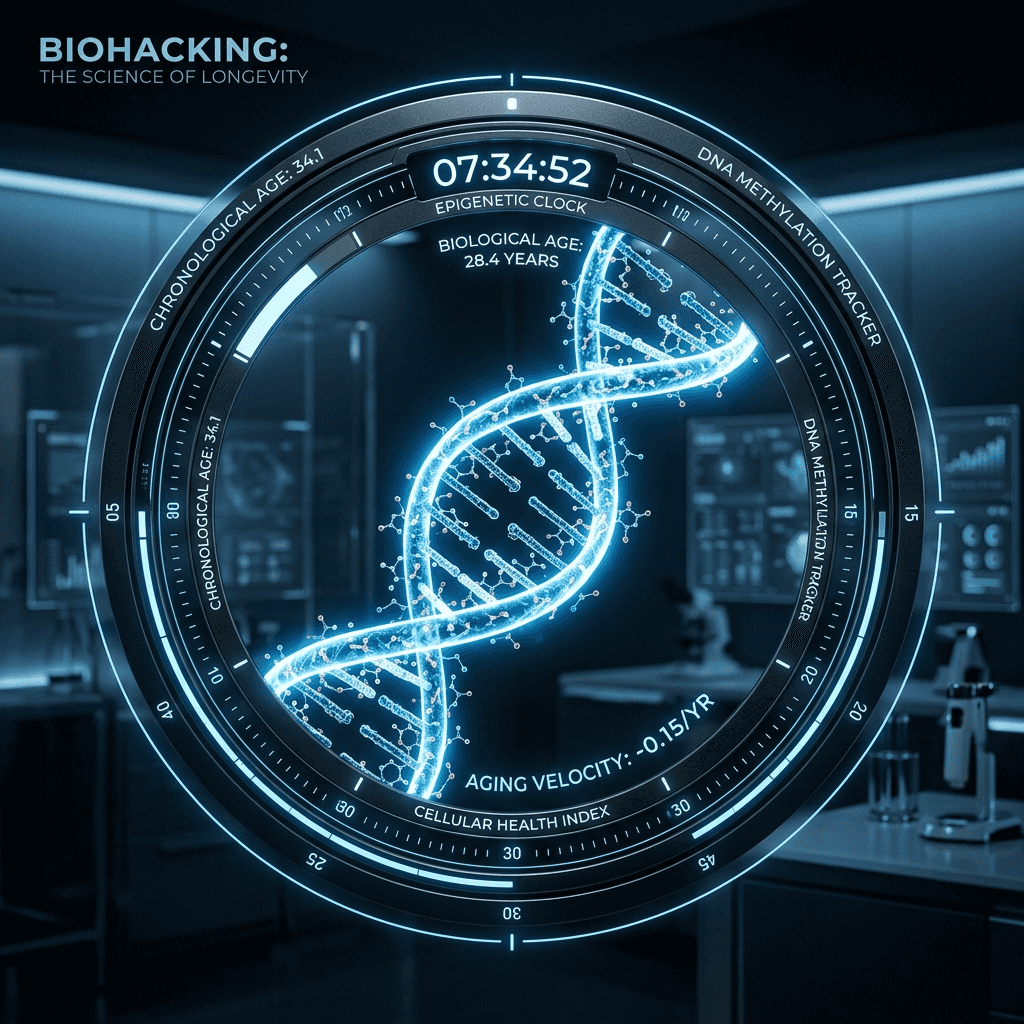
The definitive 2026 guide to longevity diagnostics. Master the 5 essential predictive blood biomarkers (ApoB, Fasting Insulin, hs-CRP, Homocysteine, Omega-3 Index) and the science of epigenetic clocks (GrimAge, PhenoAge, DunedinPACE) to measure and reverse your biological age.
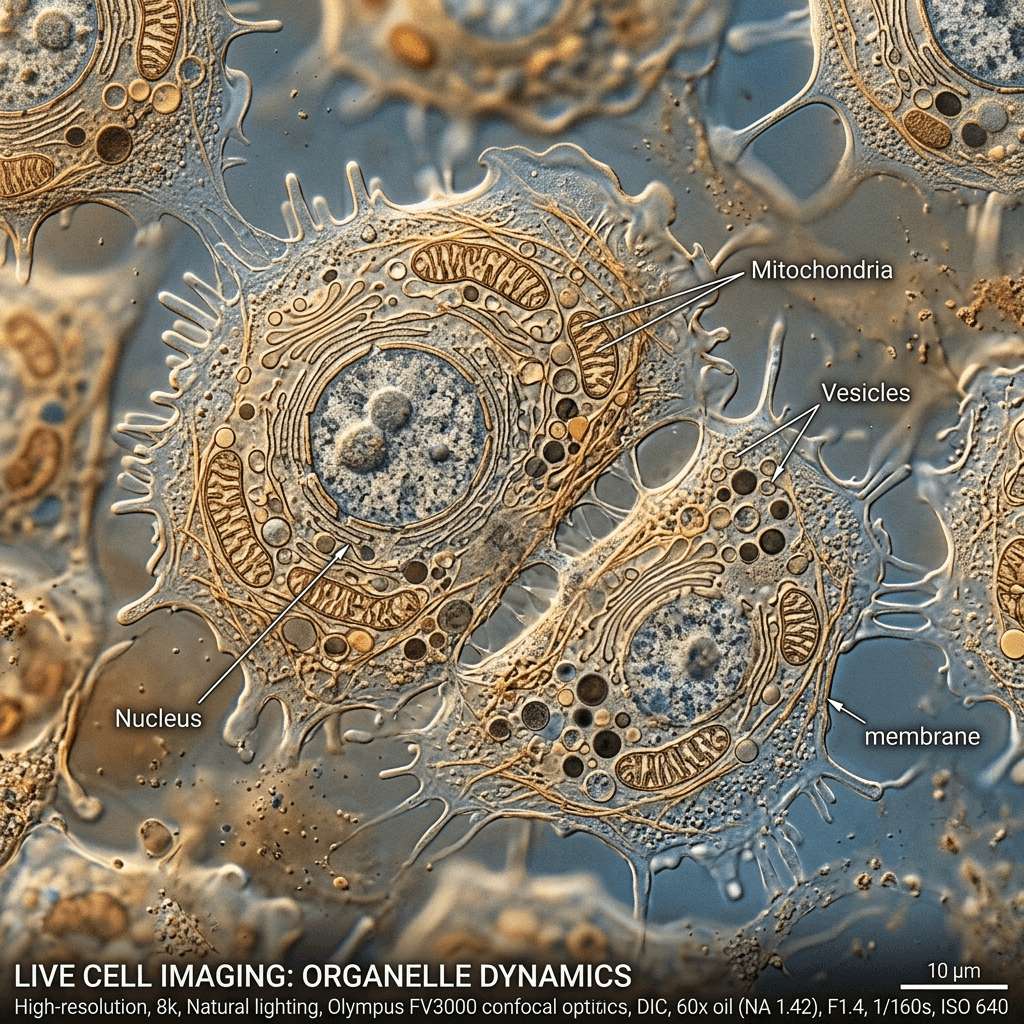
Moving healthy mitochondria into aged cells. Exploring the radical potential of mitochondrial transplantation for reversing decline.
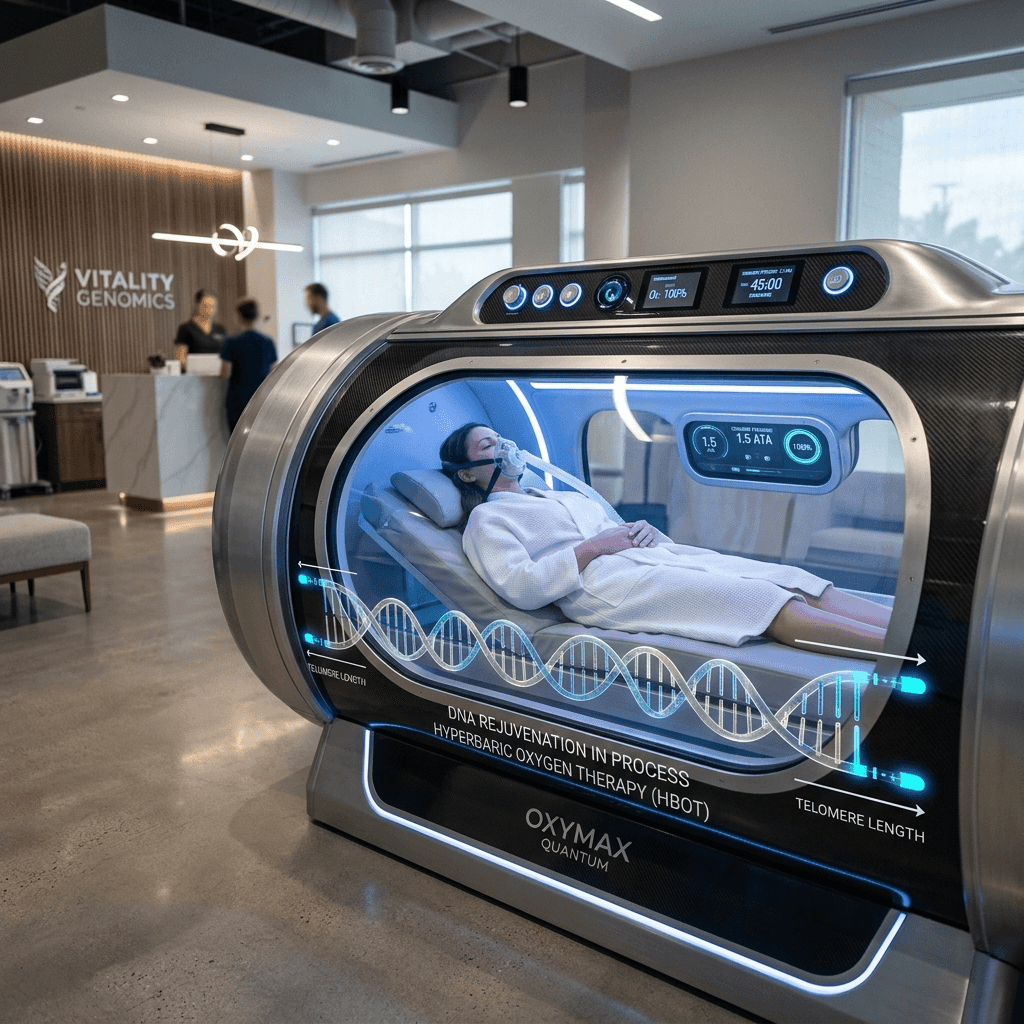
We review the Israeli study that shook the Biohacking world. Does high-pressure oxygen really lengthen telomeres and clear zombie cells?

Why clinical trials on golden retrievers are the most exciting thing in the longevity community right now. Lessons for human lifespan.
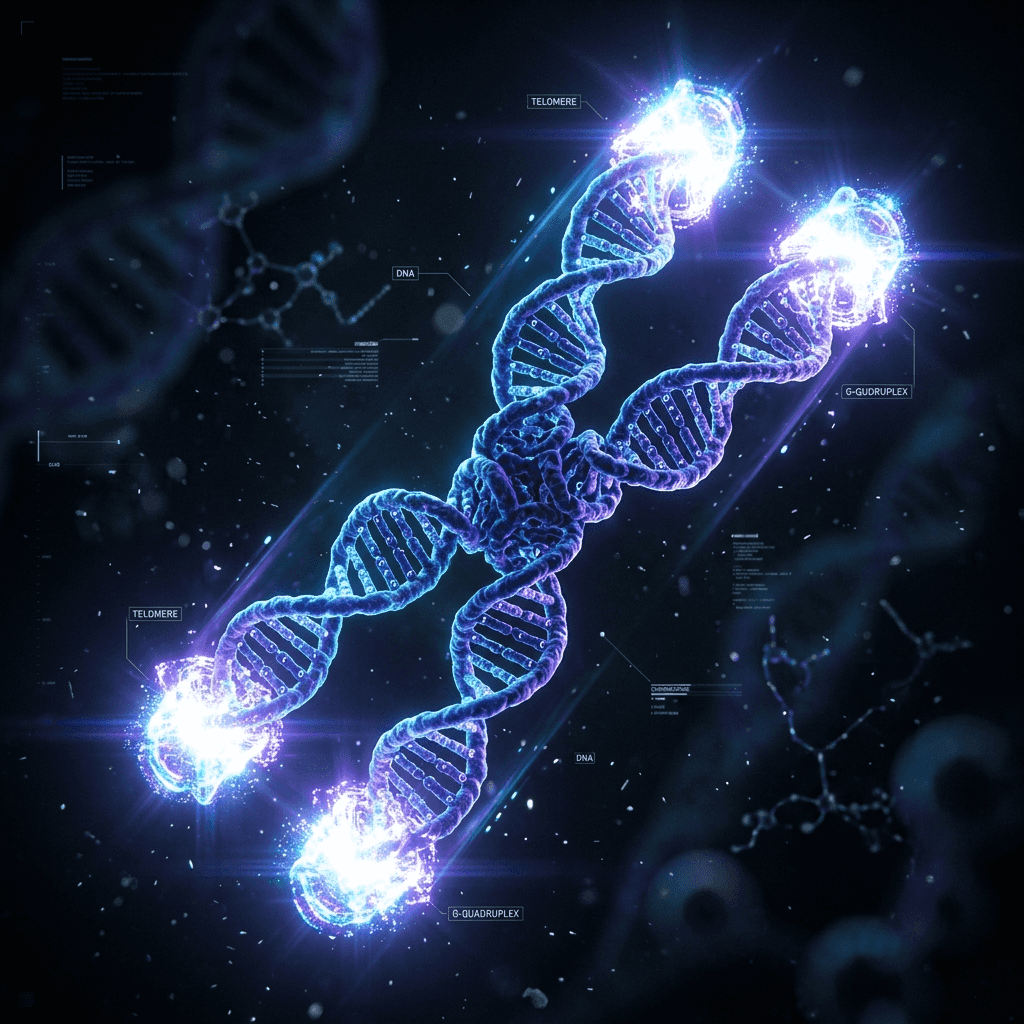
Stop wasting money on telomerase activators. We separate billion-dollar industry hype from clinical reality to reveal the proven lifestyle habits that actually preserve DNA length.
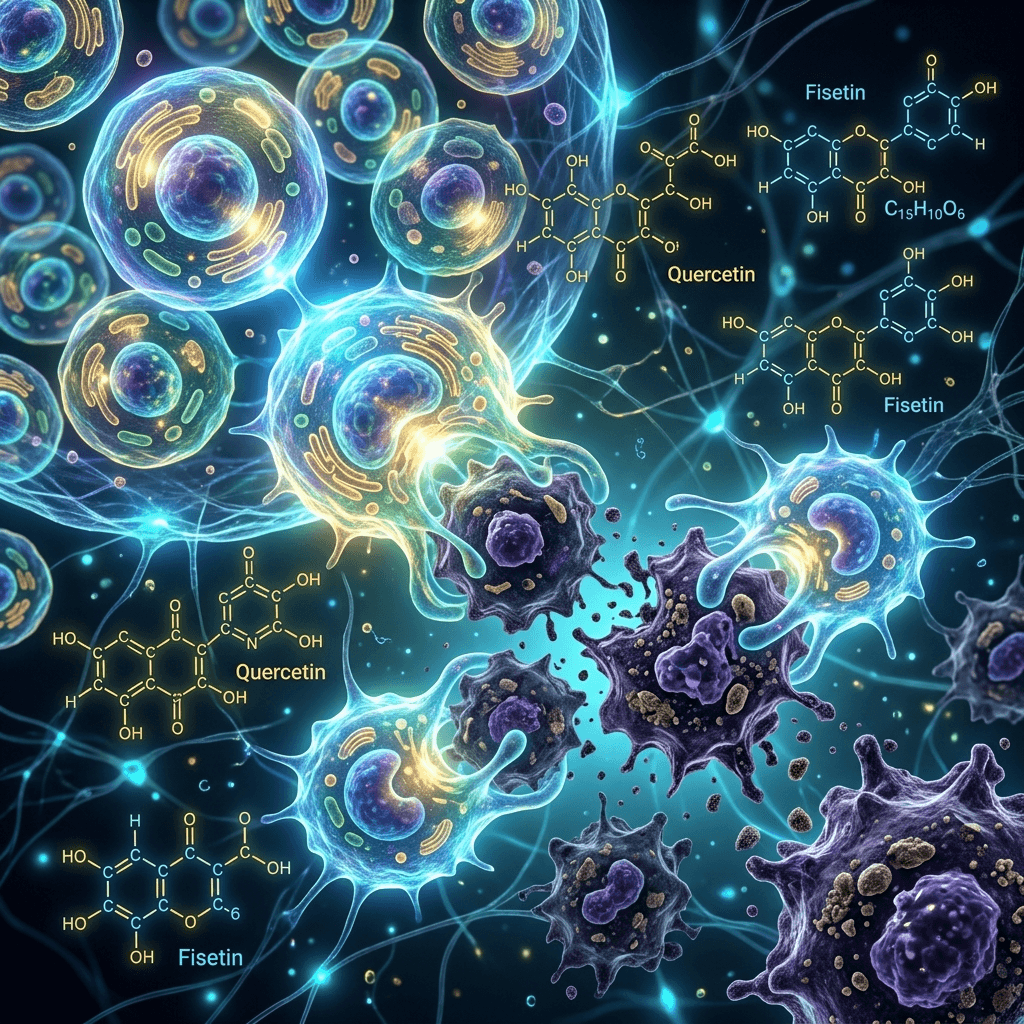
Cellular senescence is silently accelerating your aging process. Unpack the science of dietary senolytics and learn how Quercetin and Fisetin flush these toxic cells from your body.
Discover the ultimate 2026 guide to Ethical Biohacking and human optimization. Learn how to scientifically manipulate your biology using continuous biomarker tracking, epigenetic reprogramming, and proactive healthspan strategies.
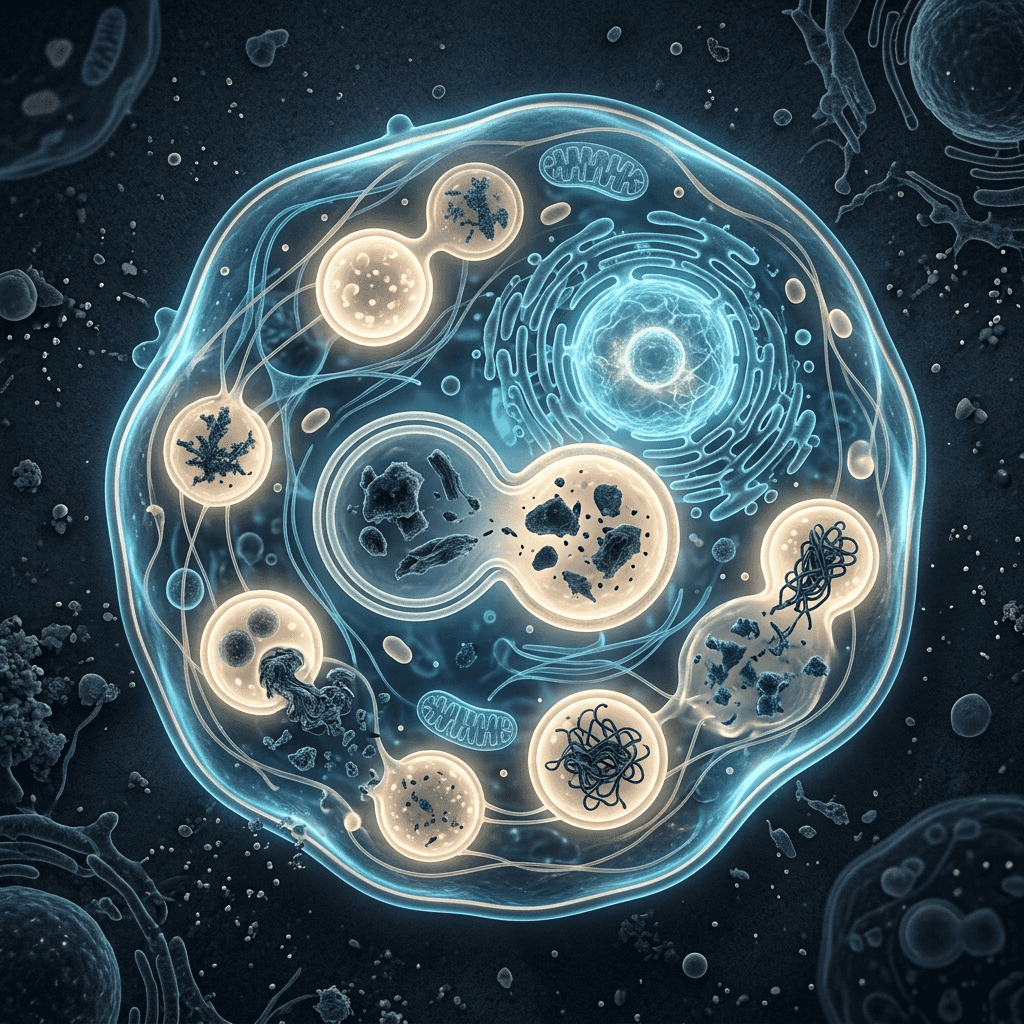
Discover the absolute limits of cellular rejuvenation in 2026. Learn how to strategically inhibit the mTOR pathway and activate autophagy, the body’s innate recycling system, to hunt down and permanently destroy mutated proteins, neurological plaques, and zombie cells.
How far can we go in optimizing our own biology? We analyze the ethical boundaries, the risks of personal N-of-1 experimentation, and individual responsibility in the age of democratized biotechnology.
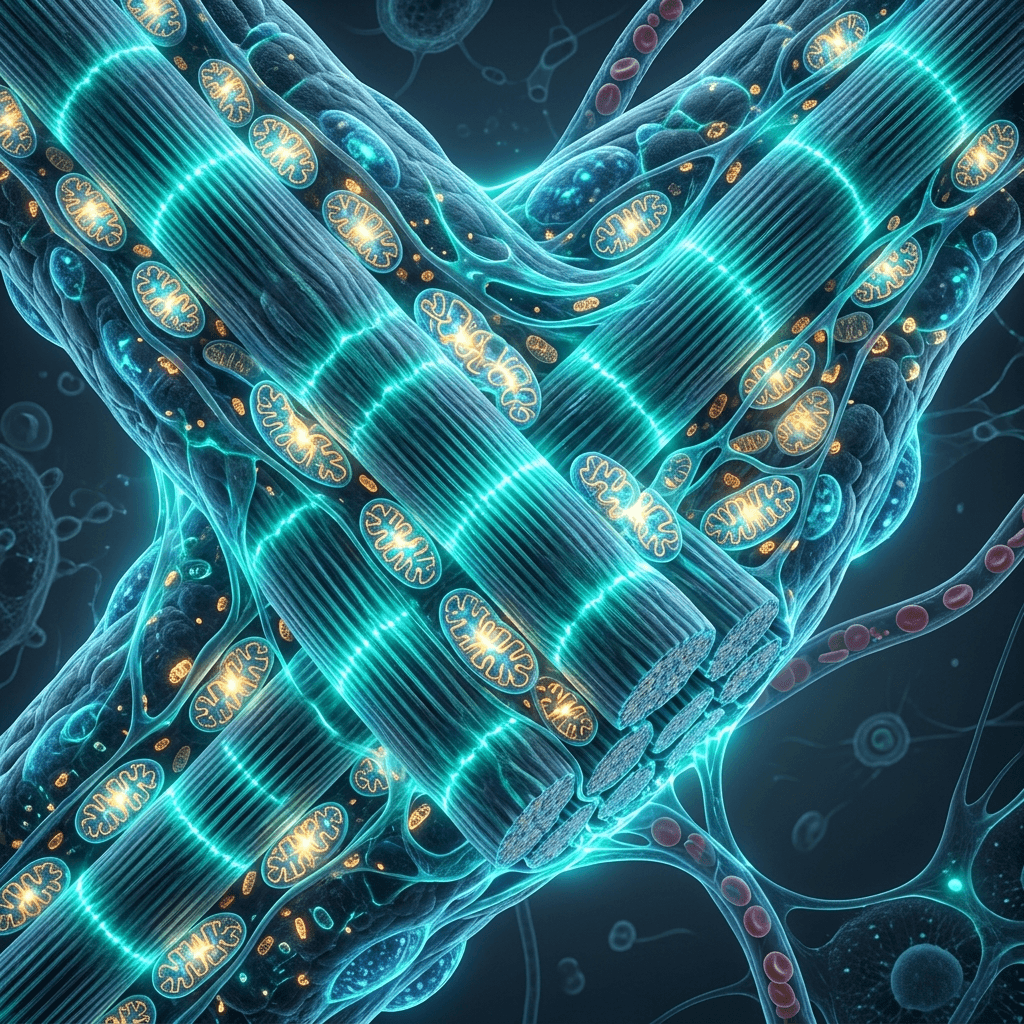
Aerobic cardio might keep your heart healthy, but it's skeletal muscle that prevents frailty from ending your life. Discover why leading longevity scientists classify muscle as the body’s largest endocrine organ and the ultimate metabolic sink for circulating glucose.
Discover how exosomes are outpacing stem cells in the race for cellular regeneration. We analyze the paracrine signaling therapies defining longevity in 2026.
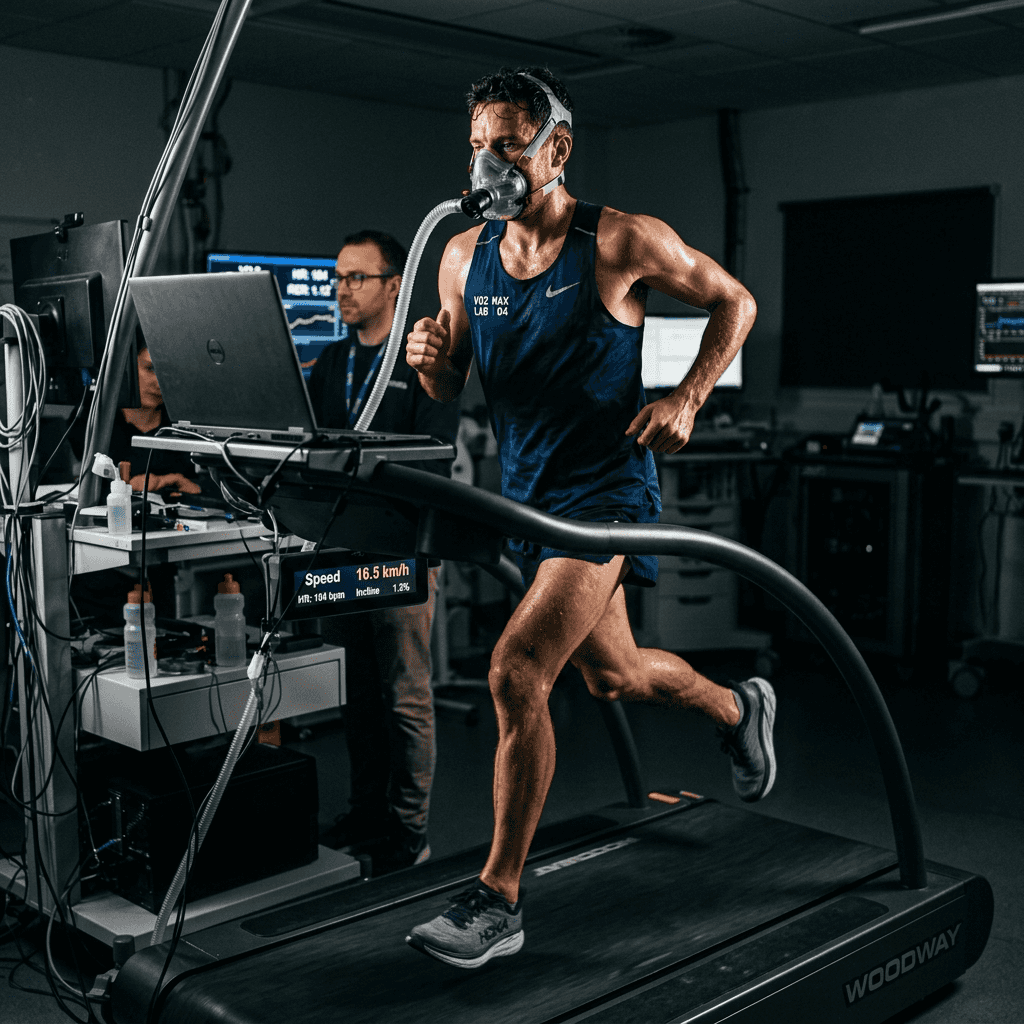
Forget cholesterol. VO2 Max is clinically proven as the single most powerful predictor of all-cause mortality. Learn exactly how to measure and drastically improve your cardiorespiratory fitness.
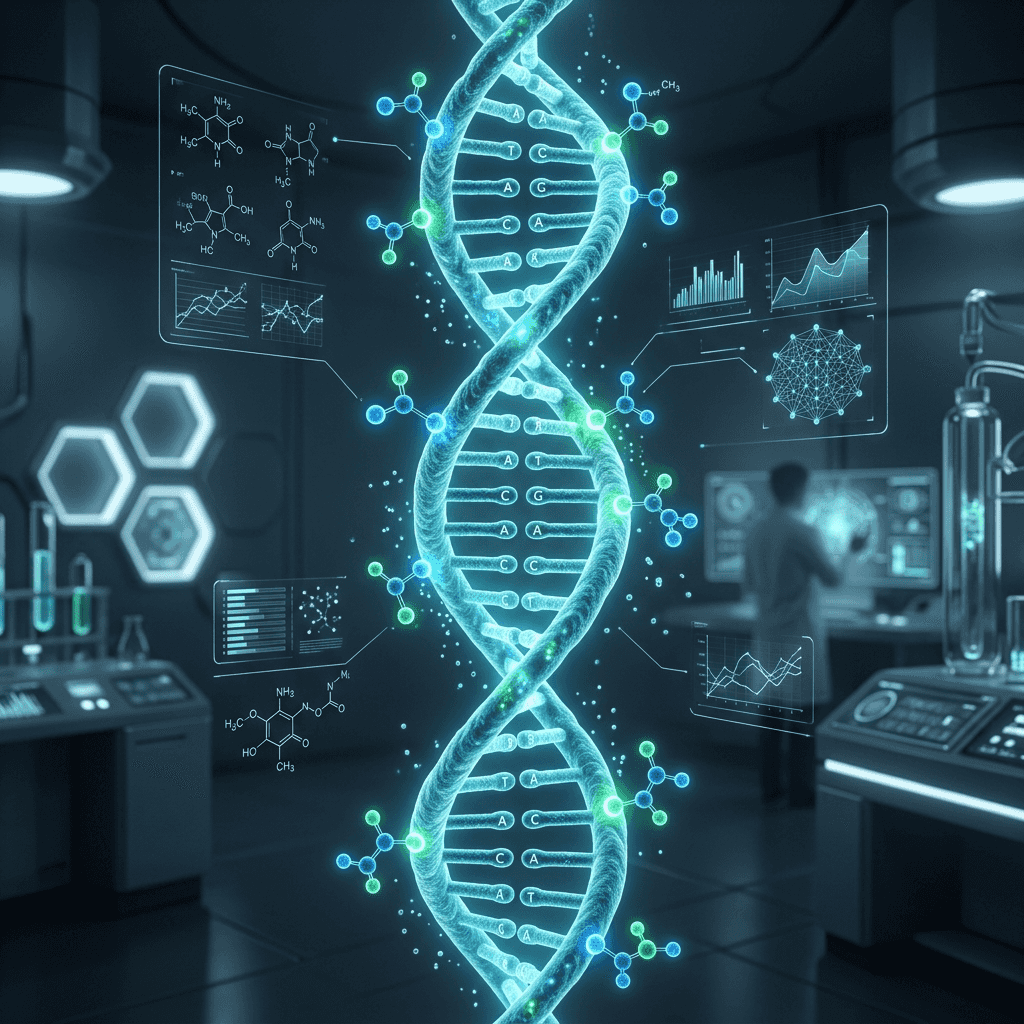
Your DNA is not your destiny; it's simply the hardware. Discover the 7 daily lifestyle habits that actively manipulate your epigenetics, the biological software, turning off disease markers and upregulating powerful longevity genes.

The world's longest-living populations didn't achieve extreme healthspan with peptides or cold plunges, they did it entirely by accident through their environment. Discover how 2026 Biohacking allows us to mathematically engineer and replicate the 'Blue Zone' biology inside modern, high-stress cities.
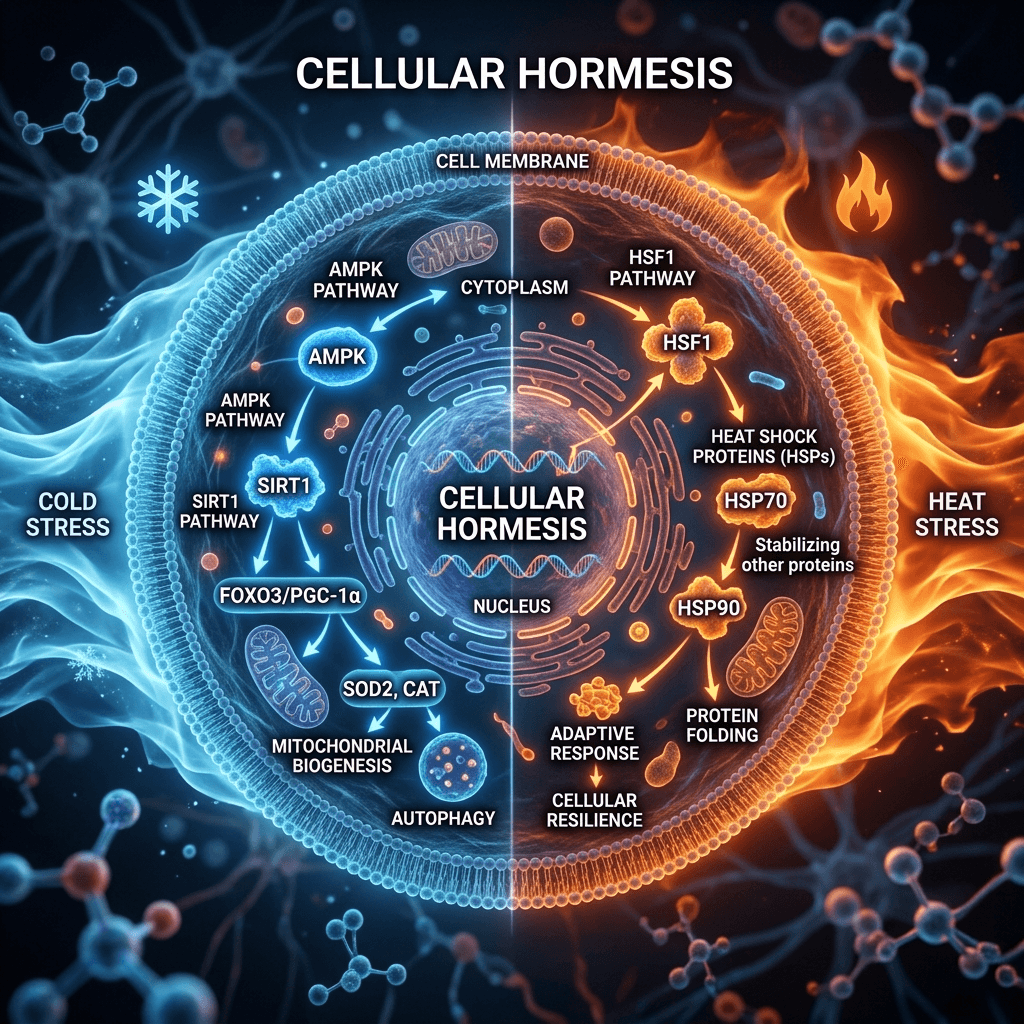
Explore the deep cellular mechanics of hormesis. Discover how structured micro-dosing of massive physical stress, like cold thermogenesis and intense infrared heat, can unlock your longevity genes, elevate brown adipose tissue, and eliminate chronic inflammation.
The field of longevity science has undergone a fundamental transformation in the past decade. What was once dismissed as fringe science or science fiction—reversing aging, rejuvenating cells, extending the human health span—is now the subject of billions of dollars in research funding and some of the most exciting clinical trials in modern medicine. The longevity paradigm shift can be summarized in one sentence: aging is not merely a natural process; it is a treatable condition.
In 2026, we understand that aging is driven by a set of interconnected biological mechanisms known as the Hallmarks of Aging, first codified by López-Otín et al. in their landmark 2013 paper in Celland subsequently updated in 2023 to include additional hallmarks. These twelve hallmarks—genomic instability, telomere attrition, epigenetic alterations, loss of proteostasis, disabled macroautophagy, deregulated nutrient-sensing, mitochondrial dysfunction, cellular senescence, stem cell exhaustion, altered intercellular communication, chronic inflammation ("inflammaging"), and dysbiosis—represent the root causes of every age-related disease, from Alzheimer's to cardiovascular disease to cancer.
The biohacking approach to longevity is not to treat each disease individually, but to target the upstream hallmarksthat give rise to all of them. By maintaining mitochondrial function, clearing senescent ("zombie") cells, preserving NAD+ levels, and optimizing autophagy, we address the root causes rather than downstream symptoms. This systems-level approach represents the most powerful application of ethical biohacking: preventing the cascade of dysfunction before it begins.
Autophagy(from the Greek "auto" = self, "phagy" = eating) is the body's cellular recycling system. During autophagy, damaged proteins, dysfunctional organelles, and intracellular pathogens are engulfed by double-membrane structures called autophagosomes and delivered to lysosomes for degradation. The resulting molecular building blocks are then recycled to build new, healthy cellular components. Yoshinori Ohsumi received the 2016 Nobel Prize in Physiology or Medicine for elucidating the mechanisms of autophagy, underscoring its foundational importance.
Key Inducers: Time-restricted eating (16-24 hour fasts), vigorous exercise (particularly HIIT), rapamycin (mTOR inhibition), spermidine-rich foods (fermented soybeans, aged cheese, mushrooms), and deliberate heat stress (sauna at 80-100°C for 20-30 minutes). The intersection of fasting and exercise provides the strongest autophagic stimulus accessible without pharmaceuticals.
Measurable Biomarkers: While direct autophagy measurement in humans remains challenging, proxy markers include fasting insulin levels (lower = better mTOR suppression), blood glucose (stable, low average), and ketone bodies (BHB levels of 0.5-3.0 mmol/L indicate active autophagy). Emerging liquid biopsy technologies are beginning to measure autophagic flux directly.
NAD+ (Nicotinamide Adenine Dinucleotide) is a coenzyme found in every living cell. It is essential for mitochondrial energy production (oxidative phosphorylation), DNA repair (via PARP enzymes), gene expression regulation (via sirtuins), and cellular signaling. NAD+ levels decline by approximately 50% between the ages of 40 and 60, and this decline is now considered a central driver of the aging process.
Supplementation Strategies: The two primary precursors are NMN (Nicotinamide Mononucleotide) and NR (Nicotinamide Riboside). NMN at 500-1000mg/day has shown improvements in insulin sensitivity, muscle endurance, and arterial function in human trials. NR at 300-1000mg/day has demonstrated similar effects. The choice between them often comes down to bioavailability research and individual response, which is best determined through n-of-1 testing with blood NAD+ measurement.
Lifestyle Amplifiers: Exercise (especially endurance training), fasting, heat shock (sauna), and dietary niacin all naturally boost NAD+ levels through the salvage pathway. A comprehensive approach combines supplementation with these behavioral interventions for synergistic effects.
Senescent cellsare cells that have permanently stopped dividing but refuse to undergo apoptosis (programmed cell death). Instead, they accumulate in tissues and secrete a toxic cocktail of inflammatory cytokines, chemokines, and matrix metalloproteinases known as the Senescence-Associated Secretory Phenotype (SASP). This SASP signal drives chronic inflammation, tissue fibrosis, and accelerates aging in neighboring healthy cells—a phenomenon called "bystander senescence."
Senolytic Compounds:The most studied natural senolytics include Fisetin (a flavonoid found in strawberries, at research doses of 500-2000mg in short "hit and run" cycles of 2-3 consecutive days per month) and the combination of Quercetin + Dasatinib (used in clinical trials at Mayo Clinic). Fisetin has demonstrated the broadest senolytic activity in preclinical studies and is the most accessible for self-experimenters.
Important Safety Note:Senolytics should be cycled intermittently, not taken daily. Continuous use may impair wound healing and immune surveillance. The "hit and run" approach—taking senolytics for 2-3 days followed by 4+ weeks off—mimics the dosing used in clinical trials and allows the body to clear senescent cells without disrupting normal cellular turnover.
Mitochondria are the organelles responsible for producing ATP, the universal energy currency of cells. A single cell can contain between 1,000 and 2,500 mitochondria. As we age, mitochondrial function declines due to accumulated oxidative damage to mitochondrial DNA (mtDNA), reduced membrane potential, and impaired electron transport chain (ETC) efficiency. This "energy crisis" manifests as fatigue, cognitive decline, reduced exercise capacity, and accelerated aging across all organ systems.
Biogenesis Activators: Zone 2 cardiovascular exercise (60-70% max heart rate, sustained for 30-60 minutes) is the most potent natural stimulus for mitochondrial biogenesis via PGC-1α activation. Cold exposure (cold showers at 15°C for 2-5 minutes or cold plunges) activates irisin and FNDC5, promoting both mitochondrial density and brown fat thermogenesis. Supplemental support includes CoQ10 (ubiquinol form, 100-200mg), PQQ (10-20mg), Urolithin A (500-1000mg), and red/near-infrared light therapy (660-850nm wavelengths targeting cytochrome c oxidase).
The longevity space is particularly vulnerable to exploitation. The desire to "reverse aging" is so powerful that it has spawned an industry of unproven therapies: exosome injections from unregulated clinics, unverified stem cell treatments, and designer peptide stacks promoted by influencers with no medical training. At Ethical Biohacking, we apply a rigorous evidence hierarchy to every longevity intervention we discuss.
Our approach prioritizes interventions in this order: 1) Free behavioral changes (sleep, exercise, stress management, sunlight), 2) Dietary modifications (time-restricted eating, anti-inflammatory nutrition, microbiome support), 3) Well-studied supplements with human clinical trial data (Creatine, Vitamin D, Omega-3), and finally 4) Emerging compounds with strong preclinical evidence requiring careful self-experimentation (NMN, Fisetin, Urolithin A). We never recommend unregulated injectable therapies or compounds without substantial safety data.
Furthermore, we recognize that longevity is not a solo sport. The Blue Zones research consistently demonstrates that social connection, sense of purpose, and community belonging are among the most powerful predictors of exceptional health span. No supplement can replace the anti-inflammatory, cortisol-lowering effects of genuine human connection.
Lifespan is the total number of years you live. Health span is the number of those years lived in good health—free from chronic disease, cognitive decline, and physical frailty. Modern longevity science focuses primarily on extending health span, because adding years of disability is not a meaningful goal. The key interventions target the biological hallmarks of aging (genomic instability, telomere attrition, epigenetic alterations, loss of proteostasis, mitochondrial dysfunction, cellular senescence, stem cell exhaustion, and altered intercellular communication) to compress the period of morbidity into the shortest possible window at the end of life.
The interventions with the strongest clinical evidence include: caloric restriction and time-restricted eating (shown to activate autophagy and improve insulin sensitivity), regular zone 2 cardiovascular exercise (strongly correlated with all-cause mortality reduction), resistance training (critical for maintaining muscle mass and metabolic health), adequate sleep (7-9 hours for glymphatic clearance and hormonal regulation), and targeted supplementation with compounds like Vitamin D3+K2, Omega-3 fatty acids, Creatine Monohydrate, and Magnesium. Emerging protocols include NAD+ precursors (NMN/NR), senolytic compounds (Fisetin, Quercetin+Dasatinib), and rapamycin analogs, though these require more long-term human data.
Biological age can be assessed through several methods: epigenetic clocks (DNA methylation tests like the Horvath clock, GrimAge, or DunedinPACE), which measure chemical modifications to your DNA that correlate with aging; telomere length testing, which measures the protective caps on chromosomes; comprehensive blood biomarker panels (tracking fasting insulin, hs-CRP, HbA1c, homocysteine, ApoB, and DHEA-S); and functional fitness assessments like VO2 Max testing, grip strength, and balance tests. The most accurate approach combines multiple modalities rather than relying on any single metric.
Intermittent fasting (IF) has robust evidence for improving metabolic health markers associated with longevity, including insulin sensitivity, inflammatory markers (hs-CRP, IL-6), autophagy activation, and body composition. The 16:8 protocol (eating within an 8-hour window) is the most studied in humans. While direct lifespan extension has been demonstrated in animal models (caloric restriction extends lifespan by 20-40% in rodents), long-term human lifespan data is still limited. However, the metabolic improvements from IF align perfectly with the biological mechanisms known to slow aging, making it one of the most accessible and cost-free longevity interventions available.
A comprehensive longevity blood panel should include: fasting glucose and insulin (metabolic health), HbA1c (3-month glucose average), lipid panel with ApoB and Lp(a) (cardiovascular risk), hs-CRP and homocysteine (inflammation), complete blood count with differential (immune function), thyroid panel (TSH, free T3, free T4), Vitamin D 25-OH, Vitamin B12, ferritin, DHEA-S (adrenal and aging marker), testosterone/estradiol (hormonal health), liver function tests (ALT, AST, GGT), kidney function (creatinine, BUN, eGFR), and uric acid. Advanced panels may include GlycanAge, TruAge epigenetic testing, and omega-3 index. Testing every 6-12 months allows you to track trends and adjust protocols accordingly.
Disclaimer: The information provided is for educational and informational purposes only and does not constitute medical advice. Always consult with a qualified healthcare professional before beginning any new health protocol.