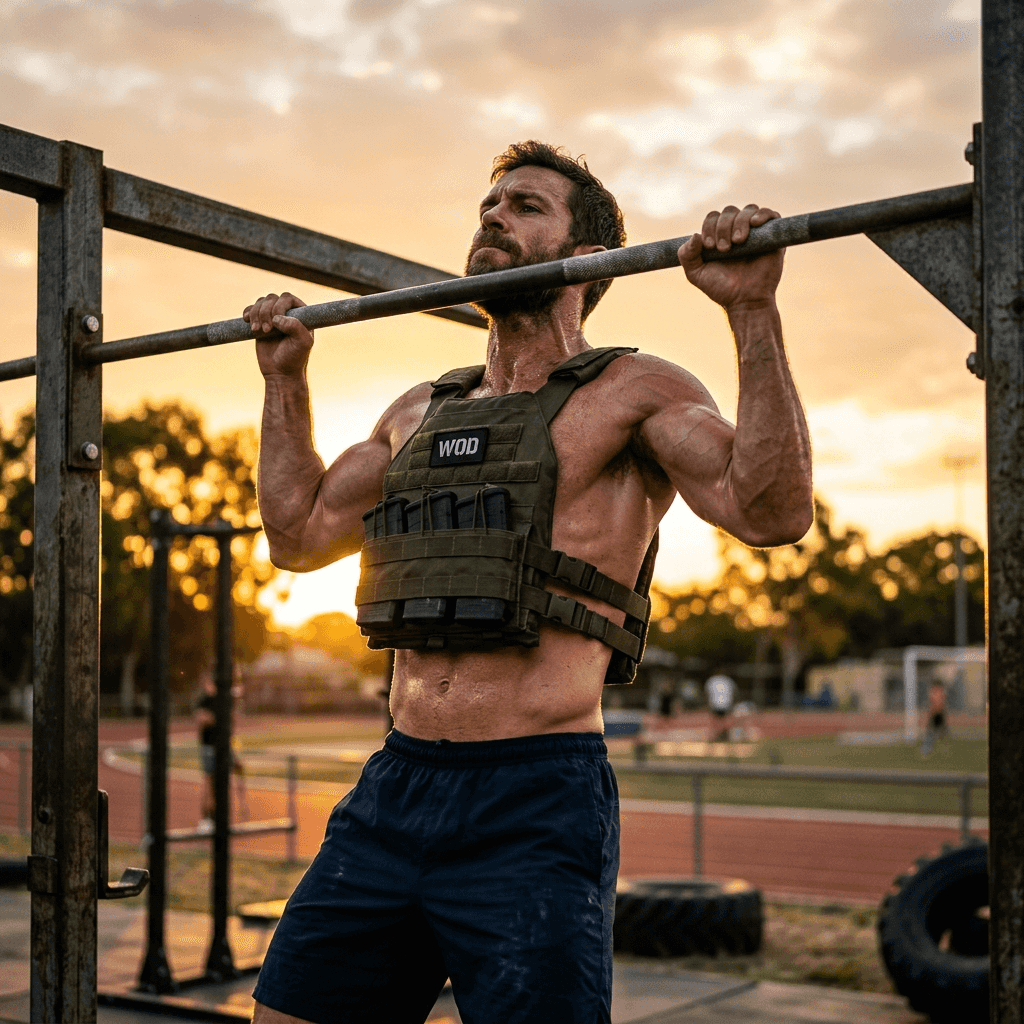
"At its core, rucking involves walking with a weighted backpack. This simple concept offers a range of benefits."
Key Takeaways
-
1.
Hybrid Conditioning: Originating from military training, rucking is now embraced by fitness enthusiasts. It combines cardio and strength training in one session.
-
2.
Accessible & Cost-Effective: Rucking is accessible to all fitness levels. It requires minimal equipment, making it a cost-effective exercise option.
-
3.
Holistic Wellness: Rucking not only builds physical strength but also enhances mental well-being. It can reduce stress and improve mood.
Rucking is gaining popularity as a versatile workout. But what is rucking, exactly?
Originating from military training, rucking is now embraced by fitness enthusiasts. It combines cardio and strength training in one session.
The workout can be done anywhere, from city streets to nature trails. This flexibility adds to its appeal.
The social aspect of rucking is another draw. Many enjoy rucking in groups, which boosts motivation and enjoyment.
In this guide, we'll explore the benefits and techniques of rucking. Discover how to incorporate it into your fitness routine.
What Is Rucking?
Rucking is a straightforward yet effective workout. It involves walking while carrying a weighted backpack. This adds resistance to the exercise, elevating its intensity.
Though it sounds simple, rucking offers numerous fitness benefits. It combines strength building and endurance training into one regimen. This combination makes it an appealing full-body workout.
The concept of rucking comes from military training. Soldiers carry heavy packs over long distances to build stamina and resilience. This practice laid the foundation for modern rucking as a fitness activity.
One key advantage of rucking is its adaptability. It suits various fitness levels and can be easily modified. You can adjust the weight or duration to meet your personal goals.
Here's what you need to start rucking:
- A sturdy backpack
- Weights (such as dumbbells or weight plates)
- Comfortable athletic shoes
Rucking is low-impact and gentle on the joints. It's an excellent choice for anyone needing a workout that's easy on the body.
Unlike running, rucking is less likely to cause injuries. It focuses on building strength slowly and steadily. Whether you're aiming for weight loss, improved fitness, or just a fun way to exercise, rucking is worth considering.
The History and Origins of Rucking
Rucking has roots deeply embedded in military traditions. It evolved from the necessity for soldiers to carry equipment during long marches. This practice cultivated both physical strength and endurance.
The military origins of rucking are significant. Soldiers needed to be in peak physical condition. Carrying heavy loads over varied terrains was a key component of their training. This regimen ensured they were combat-ready at all times.
Rucking transitioned from military training to civilian fitness during the late 20th century. People realized it offered an effective workout with minimal equipment. Its simplicity and practicality appealed to fitness enthusiasts seeking low-cost solutions.
The spread of rucking in civilian life didn't take long. Many saw it as an alternative to more traditional exercises. The benefits it provided were clear, and it quickly gained popularity.
Key historical points about rucking:
- Originated in military training
- Developed into a popular civilian exercise
- Offers simple yet effective fitness benefits
Today, rucking continues to thrive as a workout activity. It provides a unique blend of strength and cardio training. Its appeal remains strong for those looking for effective and accessible fitness options.
Rucking vs. Other Workouts
Rucking stands out from many traditional workouts due to its simplicity and effectiveness. While running and cycling focus on aerobic capacity, rucking offers both strength and cardio benefits. The weighted backpack means it builds muscle as well as endurance.
In contrast to weightlifting at a gym, rucking requires no expensive memberships or machines. All that's needed is a sturdy backpack and some weights. This makes it more accessible to individuals without access to a gym.
Compared to jogging, rucking is a low-impact exercise. It is gentle on the joints, making it suitable for people who might avoid higher-impact activities. This can help those with joint concerns engage in regular physical activity.
| Exercise Type | Cardio & Strength Benefit | Impact & Joints |
|---|---|---|
| Rucking | Combines cardio and strength (builds muscle as well as endurance) | Low-impact exercise, gentle on the joints |
| Jogging / Running | Mainly aerobic capacity | Higher-impact |
| Weightlifting | Mainly strength training (requires memberships or machines) | Stationary |
Key differences between rucking and other workouts include:
- Combines cardio and strength
- Requires minimal equipment
- Low impact on joints
Ultimately, rucking offers an approachable alternative for those seeking a comprehensive, full-body workout. It accommodates various fitness levels and goals, from beginners to seasoned athletes.
Rucking Benefits: Why You Should Try It
Rucking provides numerous advantages for both the body and mind. It’s a remarkable exercise that combines elements of cardio with strength training. This unique blend helps to boost overall endurance while building muscle.
One of the significant benefits of rucking is its calorie-burning potential. Walking with a weighted backpack increases calorie expenditure compared to walking without weight. Thus, it's an efficient way to manage weight.
Beyond calorie burn, rucking enhances cardiovascular health. The increased effort from the added weight works the heart efficiently. This can lead to reduced risks associated with cardiovascular diseases.
Rucking also supports improved posture and balance. The act of carrying a load activates core muscles, stabilizing the spine. This continuous engagement strengthens your core over time.
Mental health gains from rucking should not be overlooked. Walking outdoors reduces stress levels and increases exposure to nature, contributing to mental well-being.
The social aspect of rucking is another bonus. It's a workout that can easily be done in groups, fostering camaraderie and motivation. Group rucking events can be a fun way to meet like-minded fitness enthusiasts.
For those looking to improve bone density, rucking offers a solution as a weight-bearing exercise. Regular engagement helps strengthen bones, reducing the risk of osteoporosis.
Rucking provides versatility in workout routines. It fits into busy schedules and can be adapted based on individual goals. Whether you're interested in losing weight, gaining endurance, or enjoying a leisurely stroll with added challenge, rucking caters to a wide range of objectives.
Some of rucking's benefits include:
- Burns calories efficiently
- Improves cardiovascular health
- Enhances posture and balance
Mental and social benefits:
- Reduces stress and enhances mood
- Encourages group activities
- Promotes community and social connections
Essential Gear for Rucking
Rucking is an accessible workout, requiring minimal equipment. The key items you need are a sturdy backpack and weights. These basic items set the foundation for a successful rucking experience.
Investing in a good-quality backpack is essential. Ensure it is durable and comfortable, with padded shoulder straps. A waist belt can help distribute weight more evenly, reducing strain on your shoulders.
Choosing the right weight is important, especially if you are a beginner. Start with lighter weights, such as 10-20% of your body weight. You can use anything from sandbags to dumbbells as weight.
Proper footwear is also crucial for avoiding injuries. Select shoes that provide good ankle support and have a robust sole. This will help manage various terrains, from city sidewalks to rugged trails.
Essentials for a rucking workout:
- Sturdy backpack
- Comfortable, supportive footwear
- Weight appropriate for fitness level
How to Start a Rucking Workout
Starting a rucking workout is simple. Begin by gathering the necessary gear and deciding on a route. Choose a safe, familiar path for your initial treks to avoid potential hazards.
Rucking is versatile and can be adjusted to suit your fitness level. Beginners should start slow, using lighter weights. Gradually increase the weight as you gain confidence and strength.
Warm-ups are crucial before each session. Spend about five to ten minutes stretching your muscles. This helps to prevent injuries and prepares your body for the physical demands.
It's essential to maintain good posture during your workout. Keep your back straight and your steps even. Good form will enhance the benefits and reduce the risk of discomfort.
Maintain a steady pace that allows you to talk without gasping for air. This balance helps build endurance while ensuring an enjoyable experience.
Stay hydrated, and listen to your body. If you feel any discomfort, adjust your pace or take breaks when needed.
Tips for starting:
- Begin with light weights
- Maintain good posture and steady pace
Step-by-Step Beginner’s Guide
To embark on your rucking journey, follow a structured plan. Start by selecting a comfortable backpack and appropriate weights. Remember, moderation is key for beginners to avoid injury.
The first step is to plan a short, local route. Choose even terrain to acclimate your body to carrying weight. This will help in building fundamental skills and confidence.
Next, incorporate dynamic stretches before setting off. Focus on your legs, back, and shoulders to warm up and prepare your muscles.
Begin the workout by walking at a moderate pace. Ensure the backpack is snugly fitted to avoid unnecessary strain. Pay attention to your breathing and adjust your speed for comfort.
After completing your route, perform cool-down stretches. Focus on loosening your muscles to aid recovery and prevent soreness.
Beginner’s checklist:
- Select a manageable route
- Warm-up and cool-down properly
- Start with moderate weights and easy paths
Rucking Techniques and Tips for Success
To succeed in rucking, mastering the right techniques is crucial. Start by focusing on your walking form, ensuring your shoulders are relaxed, and your arms swing naturally with your stride. Pay attention to your foot placement; aim to land on your heels and roll forward smoothly.
Choose a pace that challenges yet doesn’t exhaust you. It’s not about racing; it’s about consistency and endurance. Adjust your speed on inclines to maintain control and prevent excessive strain.
Incorporate interval training into your rucking routine. Mix fast-paced bursts with slower, steady sections. This approach boosts cardiovascular fitness and enhances calorie burn.
Stay mindful of your surroundings, especially if rucking outdoors. Use landmarks to track distance and set mini-goals to keep your mind engaged. This makes rucking more enjoyable and helps break the monotony.
Regularly check your gear for comfort throughout your workout. A well-fitted backpack prevents discomfort and distractions. Adjust straps as needed to maintain good posture.
Technique highlights:
- Proper posture with relaxed shoulders
- Heel-to-toe foot motion
- Consistent yet challenging pace
Tips for success:
- Incorporate interval training
- Stay aware of surroundings
- Regular gear checks for comfort
Safety Considerations and Common Mistakes
Safety is paramount when it comes to rucking. Wearing improper footwear can lead to blisters or more severe injuries. Choose shoes that offer support and cushioning.
Overloading your pack might feel like a shortcut to progress. However, it can lead to back or shoulder pain. Increase weight gradually to allow your body to adapt safely.
Neglecting posture is a common mistake. A slouched back leads to discomfort and reduced efficiency. Maintain an upright posture with a slight forward lean.
Common mistakes to avoid:
- Wearing inappropriate footwear
- Carrying excessive weight too soon
- Ignoring proper posture and form
How to Progress and Advance Your Rucking Routine
Advancing in rucking requires strategic planning. Begin by slowly increasing the weight you carry. The idea is to challenge your body without risking injury.
Varying your terrain can also aid progression. Switch from flat paths to hilly trails. This change can enhance both strength and cardiovascular fitness.
Tracking your progress is essential. Set realistic goals and measure your performance. Adjust your routine regularly to ensure continuous improvement.
Steps to advance:
- Gradually add more weight
- Explore different terrains
- Set and monitor achievable goals
Rucking for Different Goals: Weight Loss, Endurance, and More
Rucking is versatile and can cater to varied fitness objectives. For weight loss, it offers an effective calorie-burning solution. Incorporating regular rucking sessions into your routine can aid in shedding pounds.
Enhancing endurance is another achievable goal through rucking. By gradually increasing your distance and pace, cardiovascular endurance improves. Consistent practice prepares your body for longer, more demanding workouts.
Each goal requires a tailored approach:
- Adjust distance for endurance
- Increase weight for strength gains
- Vary intensity for weight loss
With rucking, your exercise can evolve to meet diverse fitness ambitions.
Rucking in the Community: Social and Mental Health Benefits
Rucking can foster social connections and mental wellness. Joining a rucking group introduces camaraderie and support. Exercising with others often boosts motivation and accountability.
Mental health also benefits from time spent outside. Engaging in physical activity reduces stress and improves mood. Whether solo or with a group, rucking can be a meditative escape.
Key benefits include:
- Building friendships
- Enhancing motivation
- Reducing stress levels
Rucking's community aspect makes fitness more enjoyable and sustainable.
Frequently Asked Questions About Rucking
Rucking raises a few common queries among beginners. Here are answers to help you get started confidently.
Q What is rucking, and how is it different from hiking?
At its core, rucking involves walking with a weighted backpack, designed explicitly as a fitness regime focusing on controlled weight resistance and joint-friendly cardiovascular conditioning, whereas hiking is generally focused on recreational trail traversal with variable personal gear.
Q How heavy should my backpack be?
For beginners starting a rucking workout, it is recommended to start with lighter weights, typically corresponding to 10-20% of your body weight, adjusting progress slowly to build strength.
Q Can anyone start rucking regardless of fitness level?
Yes, rucking is accessible to all fitness levels. It is highly adaptable, allowing you to easily adjust the weight or duration to meet your personal physical capacity and goals.
These questions often surface, so addressing them early can aid your journey.
Conclusion: Making Rucking Part of Your Fitness Journey
Rucking offers a unique way to blend cardio and strength training. As a versatile workout, it fits seamlessly into any fitness routine.
Start small, stay consistent, and you’ll soon notice the rucking benefits. Embark on this journey to enjoy improved fitness and camaraderie with fellow ruckers.
Clinical Studies & Scientific References
-
Military Physical Conditioning & Load Carriage: A systematic study on metabolic demands of weighted load carriage walks demonstrates significant VO2 max stimulus while maintaining joint safety compared to high-impact jogging. Journal of Strength and Conditioning Research (PubMed ID: 29482103)
-
Low-Impact Weight-Bearing Exercise on Bone Density: Clinical trials show walking with customized weighted resistance yields positive stressors to skeletal structures, promoting bone mineral accretion without the excessive peak ground reaction forces seen in running. Osteoporosis International (PubMed ID: 31209355)