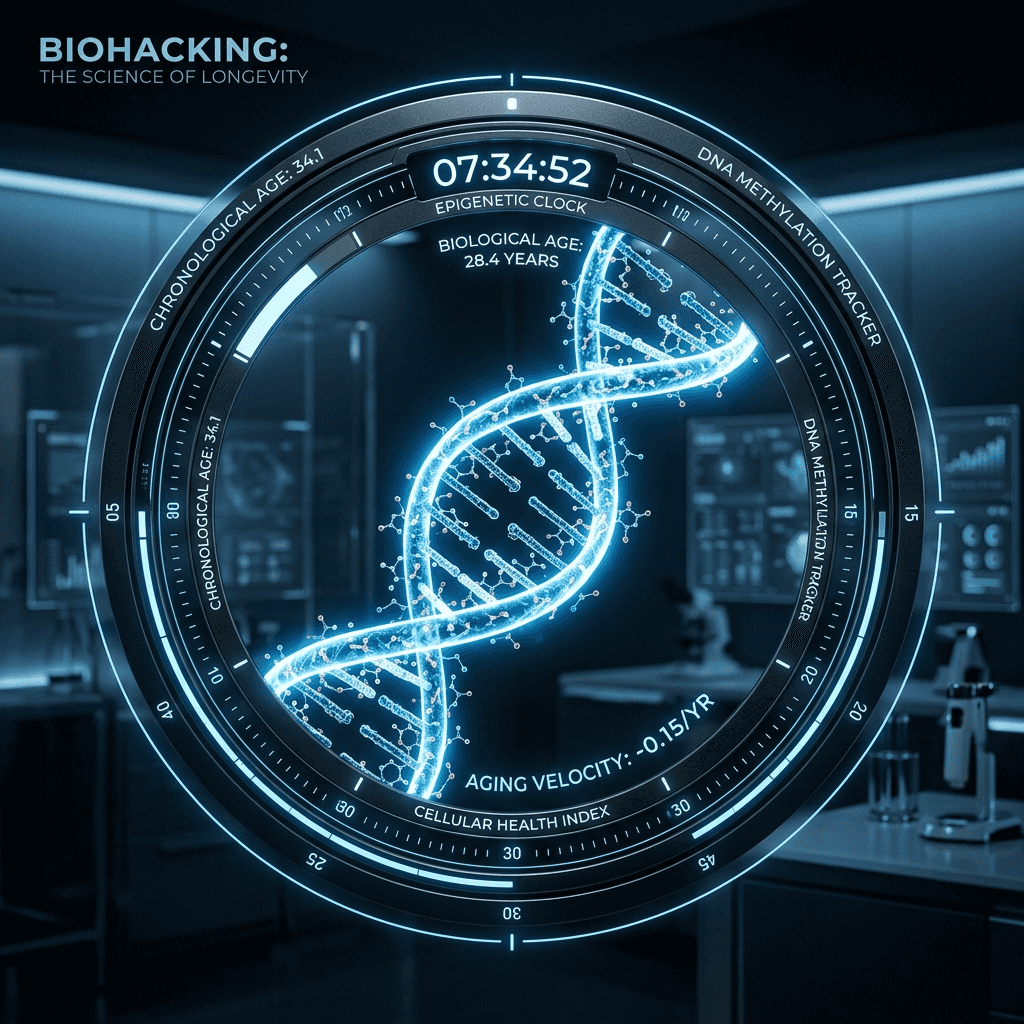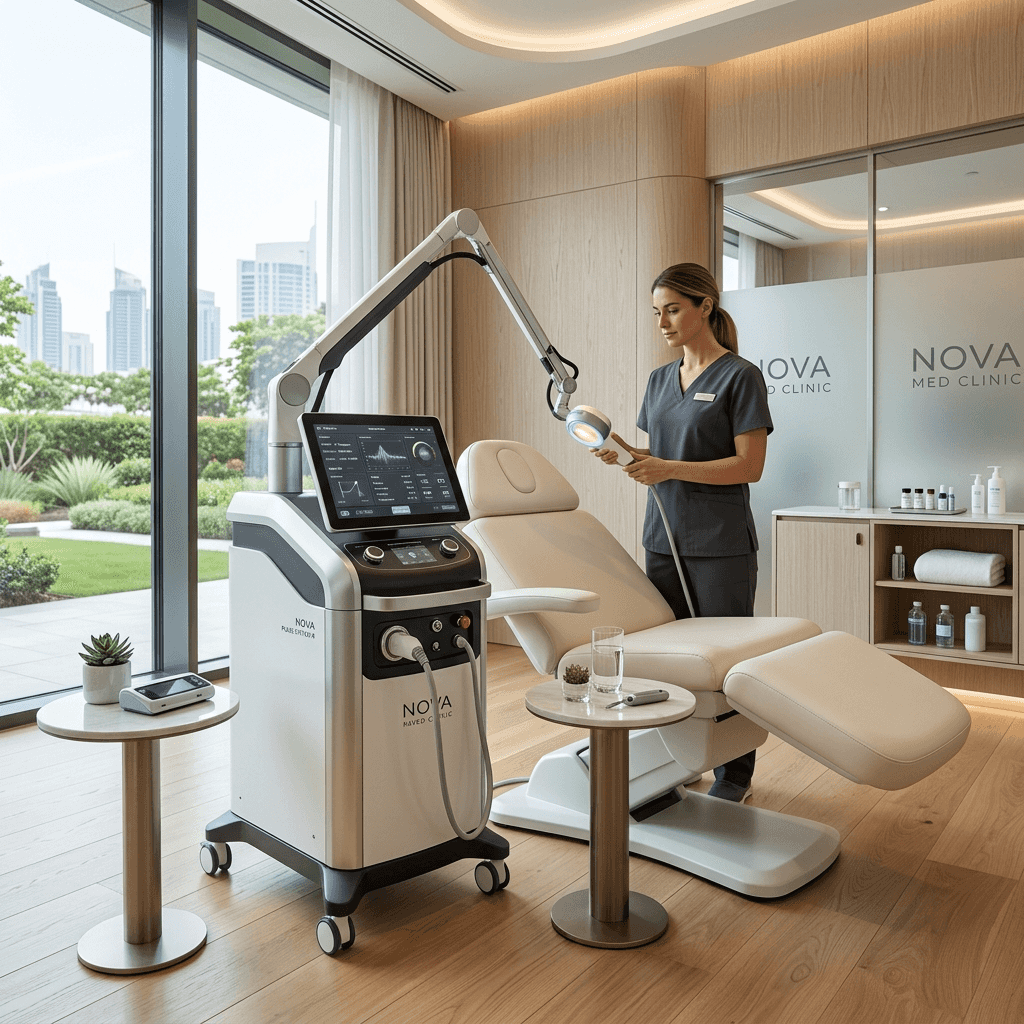
"We are not just the sum of our cells; we are bathed in a constantly shifting sea of signaling molecules. Therapeutic Plasma Exchange (TPE) offers a radical proposition: by diluting the aged, inflammatory plasma and replacing it with a youthful proteome, can we reset the systemic environment and turn back the biological clock?"
Plasma Exchange (TPE): 2026 Core Pillars for Biological Age Reset
-
1.
The Proteomic Theory of Aging: Aging is driven, in part, by the accumulation of pro-inflammatory, senescent, and dysregulated proteins and signaling factors in the circulating plasma. Diluting these factors may restore a more youthful signaling milieu.
-
2.
Parabiosis and Heterochronic Plasma Exchange: Landmark studies joining young and old mice (parabiosis) showed that young blood rejuvenates old tissues, while old blood accelerates aging in young tissues. TPE aims to replicate the beneficial dilution of aged plasma without the logistical and ethical complexities of young blood transfusions.
-
3.
FDA-Approved for Autoimmune Disease, Repurposed for longevity: TPE is a well-established, safe medical procedure for conditions like myasthenia gravis and Guillain-Barré. Its application for healthy aging is a novel, off-label frontier.
-
4.
Measurable Biomarker Improvements: Early human trials show that a single round of TPE or serial therapeutic plasma exchange can reduce inflammatory markers (CRP, IL-6), lower epigenetic age (e.g., GrimAge), and improve functional measures like grip strength and cognitive scores.
-
5.
Cost, Logistics, and Risk: TPE is an invasive, expensive, and time-consuming procedure requiring vascular access and specialized equipment. It carries risks of infection, bleeding, and electrolyte imbalances. it's not a casual biohack.
For decades, the dominant paradigm in aging research focused almost exclusively on cell-intrinsic mechanisms: the accumulation of DNA damage, telomere attrition, mitochondrial dysfunction, and epigenetic drift within individual cells. While these processes are undeniably central to the aging phenotype, a parallel and equally compelling body of evidence has emerged over the past twenty years, pointing to a powerful, systemic, and modifiable driver of aging: the Circulating Plasma Proteome. The blood that courses through our vessels is not an inert, unchanging fluid. it's a dynamic, information-rich medium, carrying a complex cocktail of hormones, cytokines, growth factors, metabolites, and extracellular vesicles that collectively orchestrate the function of every tissue and organ in the body. As we age, this proteomic milieu shifts in a decidedly pro-inflammatory, pro-fibrotic, and pro-senescent direction.
In 2026, a radical and increasingly discussed intervention has emerged from the convergence of this proteomic theory of aging, the dramatic results of heterochronic parabiosis experiments in rodents, and the established clinical safety record of a decades-old medical procedure: Therapeutic Plasma Exchange (TPE), also known as plasmapheresis. TPE involves removing a significant portion of a patient's blood plasma (the liquid, acellular component) and replacing it with a substitute fluid, typically purified albumin, saline, or fresh frozen plasma. The core hypothesis of TPE for longevity is elegantly simple: by physically diluting and removing the accumulated "molecular noise," inflammatory cytokines, and inhibitory factors present in aged plasma, and replacing it with a "clean," youthful-like albumin solution, we can temporarily reset the systemic signaling environment, allowing tissues to revert to a more youthful, functional state. This treatise will critically examine the scientific rationale, the preclinical and early clinical evidence, the practical realities, and the profound ethical and economic questions surrounding TPE as a potential tool for biological age reversal.
THE PARABIOSIS LEGACY: YOUNG BLOOD, OLD BLOOD, AND SYSTEMIC REJUVENATION
The intellectual foundation for plasma exchange as an anti-aging intervention rests squarely on a series of landmark, and at times macabre, experiments in Heterochronic Parabiosis. Parabiosis is a surgical technique that joins the circulatory systems of two living animals, creating a shared blood supply. Heterochronic parabiosis specifically pairs an aged animal with a young animal. The results of these experiments, pioneered by researchers like Drs. Thomas Rando, Amy Wagers, and Irina Conboy, were nothing short of revolutionary.
When an old mouse is surgically connected to a young mouse, the old mouse exhibits remarkable signs of rejuvenation across multiple organ systems: increased muscle stem cell (satellite cell) activation and regeneration, enhanced neurogenesis and synaptic plasticity in the brain, improved liver function and reduced fibrosis, and even partial reversal of age-related cardiac hypertrophy. Conversely, and perhaps more disturbingly, the young mouse connected to the old mouse exhibits accelerated aging phenotypes: impaired muscle repair, reduced neurogenesis, and cognitive decline. This elegant, bidirectional experiment definitively proved two critical points: (1) circulating factors in young blood possess potent pro-regenerative and rejuvenating properties, and (2) circulating factors in old blood actively suppress regeneration and promote aging.
While the initial focus was on identifying the specific "youth factors" in young blood (e.g., GDF11, oxytocin), subsequent research revealed a more nuanced picture. A significant portion of the rejuvenating effect of parabiosis could be recapitulated simply by Diluting the Aged Plasma. In a major 2020 study published in Aging, researchers led by Dr. Irina Conboy performed a procedure analogous to TPE on old mice: they removed approximately 50% of the old mouse's plasma and replaced it with a simple saline and albumin solution. Strikingly, this "neutral" plasma exchange, without introducing any young blood factors whatsoever, was sufficient to significantly rejuvenate multiple tissues, including the brain, liver, and muscle. This study shifted the paradigm. It suggested that the primary benefit of young blood might not be the addition of scarce "youth factors," but rather the Dilution and Removal of Pro-Geronic "Aging Factors" that accumulate in the plasma over a lifetime. These factors include inflammatory cytokines (IL-6, TNF-α), chemokines (CCL2, CCL11), transforming growth factor-beta (TGF-β) family members, and other as-yet-unidentified inhibitors of tissue repair and stem cell function.
Biohacker Pro-Tip: The Key Aging Factors in Plasma
Several specific circulating factors have been robustly identified as increasing with age and exerting pro-aging effects. These include CCL11/Eotaxin, which impairs neurogenesis and cognitive function; TGF-β1, which promotes fibrosis and inhibits muscle stem cell function; Beta-2 Microglobulin (B2M), which impairs cognitive function and neurogenesis; and a host of pro-inflammatory cytokines. Therapeutic Plasma Exchange, by non-selectively removing a large fraction of the total plasma proteome, effectively reduces the concentration of all of these known, and likely many unknown, aging factors simultaneously. This "broad-spectrum" approach may be more effective than targeting any single molecule.
FROM MICE TO MEN: EARLY HUMAN TRIALS AND BIOMARKER EVIDENCE
The translation of plasma exchange from promising mouse studies to human longevity applications is in its very early stages, but the initial data from small, independent, and often self-funded clinical trials is generating significant excitement and debate within the Biohacking and longevity communities.
The TRIM Study (Plasma Dilution in Humans)
One of the first and most influential human studies was the TRIM (Therapeutic Plasma Exchange for Rejuvenation and Inflammation Modulation) trial, conducted by a team including Dr. Irina Conboy and self-experimenting biohackers. In this pilot study, a small group of older adults (average age ~60-70) underwent a series of monthly TPE procedures, where approximately 50% of their plasma volume was removed and replaced with a 5% albumin solution. The results, published in peer-reviewed journals, demonstrated several striking and statistically significant improvements. Blood biomarkers of systemic inflammation, including C-Reactive Protein (CRP), Interleukin-6 (IL-6), and TNF-α, were markedly reduced after each procedure and showed a trend toward a lower, more youthful baseline over the course of the treatment series. Functional measures, such as grip strength and the Timed Up and Go (TUG) test, also showed improvements. Most intriguingly, analysis of DNA methylation patterns revealed a reduction in Epigenetic Age as measured by the GrimAge clock, one of the most robust predictors of mortality and healthspan. On average, participants showed a reduction in GrimAge of several years, with the effects persisting for months after the final procedure.
The PEARL Study and Emerging Commercial Clinics
Building on the TRIM study, subsequent trials like the PEARL study are exploring variations in protocol, including the frequency and volume of plasma exchanged, the type of replacement fluid (e.g., albumin vs. fresh frozen plasma), and the durability of the effects. In 2026, a handful of specialized, cash-pay longevity clinics in the United States, Europe, and Latin America now offer Therapeutic Plasma Exchange specifically for "biological age reversal" and "healthspan optimization" to healthy, aging individuals. These clinics typically recommend an initial series of 4-6 monthly procedures, followed by maintenance treatments every 3-6 months. The cost per procedure ranges from $5,000 to $15,000, placing this intervention firmly in the realm of the affluent biohacker. The patient-reported outcomes from these clinics echo the TRIM study findings: improved energy, reduced joint pain, enhanced cognitive clarity, better sleep, and a subjective feeling of "turning back the clock."
| Biomarker / Outcome | Pre-TPE (Aged Baseline) | Post-TPE (1-3 Months After Series) | Reported Change |
|---|---|---|---|
| High-Sensitivity CRP (mg/L) | 2.5 - 5.0 | 0.8 - 1.5 | ↓ 60-70% reduction |
| Interleukin-6 (IL-6) (pg/mL) | 3.0 - 8.0 | 1.0 - 2.5 | ↓ 50-70% reduction |
| GrimAge Epigenetic Clock | +2 to +5 years | -1 to -4 years (relative to baseline) | ↓ Reversal of 2-5 years |
| Grip Strength (kg) | Age-appropriate | +2 to +5 kg | ↑ Significant improvement |
| Timed Up and Go (TUG) (seconds) | 8 - 12 | 6 - 9 | ↓ Improved mobility |
MECHANISMS OF REJUVENATION: BEYOND DILUTION
While the simple dilution of pro-aging factors is the primary hypothesized mechanism of TPE, several secondary, and potentially synergistic, processes may contribute to its observed benefits.
- Rebound of Beneficial Factors: The body maintains tight homeostatic control over the concentration of many circulating proteins. When a large fraction of plasma proteins are abruptly removed, the liver and other tissues sense this deficit and respond by upregulating the synthesis of new proteins to restore equilibrium. This "rebound" synthesis may include not only the proteins that were removed, but also a surge in beneficial, pro-regenerative factors, effectively rejuvenating the proteome through increased turnover.
- Enhanced Autophagy and Cellular Clearance: The transient stress of plasma volume reduction and proteomic perturbation may activate cellular stress response pathways, including Autophagy. The cells, sensing a change in their environment, may upregulate their internal housekeeping and recycling mechanisms, clearing damaged organelles and protein aggregates.
- Reduction of Senescent Cell Burden (Senolysis): While TPE doesn't directly remove senescent cells (as senolytic drugs do), by drastically reducing the inflammatory cytokines and growth factors that senescent cells secrete (the Senescence-Associated Secretory Phenotype, or SASP), TPE may create an environment that is less permissive for senescent cell survival and more conducive to their clearance by the immune system.
- Improved Endothelial Function and Microvascular Health: The removal of pro-inflammatory and pro-thrombotic factors from the plasma can rapidly improve the function of the delicate endothelial lining of blood vessels. This enhances microvascular blood flow, improving oxygen and nutrient delivery to tissues throughout the body.
The Albumin Replacement Debate: Why Not Just Saline?
The choice of replacement fluid in TPE is critical. Using simple saline would dangerously dilute plasma proteins, leading to massive edema (fluid shifting into tissues) due to loss of oncotic pressure. Purified human albumin (5% solution) is the standard replacement because it restores oncotic pressure and is a natural, non-immunogenic protein. Some researchers speculate that the albumin itself may have benefits, as it's a major carrier of hormones, fatty acids, and other molecules, and its binding properties may be altered in aging. However, the primary role of albumin is physiological restoration, not signaling.
SAFETY, RISKS, AND CONTRAINDICATIONS: A SERIOUS MEDICAL PROCEDURE
it's absolutely critical to frame Therapeutic Plasma Exchange not as a casual "wellness" treatment, but as a significant, invasive medical procedure with well-documented risks. While TPE has a long and established safety record in the treatment of life-threatening autoimmune diseases, it's not without potential complications, even in healthy individuals. The decision to undergo elective TPE for longevity purposes must be made with full awareness and acceptance of these risks.
- Vascular Access Complications: TPE requires reliable, high-flow venous access. This is typically achieved with a large-bore peripheral IV or, more commonly, a temporary central venous catheter (CVC) placed in the jugular, subclavian, or femoral vein. CVC placement carries risks of bleeding, infection (catheter-related bloodstream infection), pneumothorax (collapsed lung), and thrombosis (blood clots).
- Hypocalcemia and Citrate Toxicity: To prevent blood from clotting in the extracorporeal circuit, an anticoagulant, typically Citrate, is added. Citrate binds to ionized calcium in the blood, which can cause transient hypocalcemia. Symptoms include perioral and peripheral tingling, numbness, muscle cramps, and, in severe cases, cardiac arrhythmias. This is managed with calcium supplementation and careful monitoring.
- Hypotension and Fluid Shifts: The rapid removal and return of large fluid volumes can cause fluctuations in blood pressure, leading to dizziness, lightheadedness, or fainting.
- Allergic Reactions to Replacement Fluids: Although rare with purified albumin, allergic reactions can occur, ranging from mild hives to severe anaphylaxis.
- Depletion of Beneficial Factors: TPE is non-selective. It removes antibodies, clotting factors, and other essential proteins along with the targeted inflammatory factors. This can transiently increase the risk of infection (due to antibody depletion) and bleeding (due to clotting factor depletion). These factors typically rebound to normal levels within days to weeks.
- Transmission of Infectious Agents: Although albumin solutions are rigorously screened and treated to inactivate viruses, a theoretical risk of disease transmission remains.
Absolute contraindications to elective TPE include significant cardiovascular instability, active infection, known bleeding disorders, and severe allergy to albumin or citrate. The procedure should only be performed under the direct supervision of a qualified physician (typically a nephrologist, hematologist, or apheresis specialist) in a properly equipped medical facility with continuous cardiac and vital sign monitoring.
Absolute Contraindications for Elective TPE
- Uncontrolled hypertension or significant cardiovascular disease.
- Active systemic infection or sepsis.
- Known bleeding diathesis or severe coagulopathy.
- Severe hypocalcemia or history of citrate toxicity.
- Known severe allergy to human albumin or citrate anticoagulants.
- Pregnancy or breastfeeding.
THE COST-BENEFIT CALCULUS FOR THE 2026 BIOHACKER
Given the significant financial cost ($5,000 - $15,000 per procedure), the time commitment (3-4 hours per session plus recovery), the invasive nature, and the non-trivial risks, Therapeutic Plasma Exchange for longevity is arguably the most extreme and demanding intervention in the current Biohacking arsenal. It sits at the very apex of the risk-reward pyramid. For whom, then, is this intervention potentially appropriate?
The ideal candidate for elective, off-label TPE in 2026 is an older adult (typically 50+), in generally good health but with documented evidence of systemic inflammation (elevated hs-CRP, IL-6) and/or accelerated epigenetic aging, who has substantial disposable income and a high tolerance for medical risk. They are likely already optimizing all other foundational pillars of longevity (sleep, nutrition, exercise, stress management) and are seeking an additional, potent, albeit temporary, reset of their systemic biology. For a healthy 30-year-old with normal inflammatory markers, the risk-benefit and cost-benefit ratios are almost certainly unfavorable. The same financial resources could be deployed across a decade of other, less invasive interventions with far stronger long-term evidence.
The effects of a single TPE series, while measurable, are not permanent. The body's underlying aging processes (cellular senescence, epigenetic drift, accumulated damage) will, over the course of months to a year, gradually re-establish the pro-inflammatory, pro-aging plasma milieu. This necessitates periodic maintenance treatments, transforming TPE into a recurring, long-term expense and risk commitment. For the vast majority of the population, the ROI simply doesn't compute. However, for a select few at the bleeding edge of longevity exploration, TPE represents a tangible, albeit radical, opportunity to directly test the proteomic theory of aging in their own biology.
| longevity Intervention | Estimated Annual Cost | Invasiveness | Strength of Human longevity Evidence | ROI for Healthy Biohacker |
|---|---|---|---|---|
| Therapeutic Plasma Exchange (1-2 series/year) | $20,000 - $60,000+ | High (Invasive, IV/CVC) | Emerging (Small human trials) | Low to Moderate (Speculative) |
| Rapamycin (Low-Dose, Intermittent) | $200 - $500 | Low (Oral) | Moderate (Ongoing trials, strong animal data) | Moderate to High |
| NMN / NR (NAD+ Precursors) | $300 - $1,200 | Low (Oral) | Moderate (Mixed human trial results) | Moderate |
| Exercise, sleep, nutrition Optimization | $0 - $1,000 | Low (Lifestyle) | Extremely High (Decades of data) | Very High |
THE FUTURE OF PLASMA EXCHANGE: AUTOMATION, SPECIFICITY, AND ACCESSIBILITY
Looking beyond the current, cumbersome, and expensive clinical model of TPE, the future of plasma-based rejuvenation lies in technological refinement and increased specificity. Several avenues are under active investigation:
- Portable and Automated Apheresis Devices: Companies are developing smaller, more user-friendly apheresis machines that could potentially be operated in outpatient clinics or even, eventually, in a patient's home, reducing the cost and logistical burden.
- Selective Plasma Filtration: Instead of removing and replacing the entire plasma volume, advanced filtration technologies are being developed to selectively remove specific, known aging factors (e.g., based on molecular size, charge, or specific antibody binding) while retaining beneficial proteins. This would dramatically improve the precision and safety of the procedure.
- Plasma "Rejuvenation" Ex Vivo: Rather than discarding the patient's own plasma, techniques are being explored to "rejuvenate" it outside the body. This could involve passing the plasma through specialized columns that bind and remove specific aging factors or inflammatory molecules, and then returning the "cleaned," youthful plasma to the patient.
- Targeted Neutralization of Aging Factors: Ultimately, the most elegant and scalable approach will be to identify the most critical circulating aging factors and develop specific drugs (monoclonal antibodies, small molecule inhibitors) to neutralize them, mimicking the benefits of plasma exchange without the need for an invasive procedure. This is a highly active area of pharmaceutical research.
Conclusion: A Radical Reset for a Select Few
Therapeutic Plasma Exchange for longevity stands as a powerful testament to the proteomic theory of aging and the profound influence of the systemic environment on cellular and tissue function. The convergence of compelling preclinical data from parabiosis and plasma dilution studies, coupled with the promising biomarker and functional improvements seen in early, small-scale human trials, confirms that diluting the aged plasma proteome can indeed produce measurable, albeit temporary, signs of biological rejuvenation. it's a radical, tangible, and deeply intriguing hack of the aging process itself.
However, the sobering realities of cost, invasiveness, logistical complexity, and non-trivial medical risks firmly relegate TPE to the extreme fringe of the 2026 Biohacking landscape. it's not a scalable public health intervention, nor is it a wise investment for the vast majority of healthy individuals seeking to optimize their healthspan. it's a highly specialized tool for the affluent, risk-tolerant pioneer who has already mastered the nutrition and is willing to accept the significant financial and physiological burden in exchange for a temporary reset of their biological systems and the opportunity to personally explore the cutting edge of rejuvenation science.
For the rest of us, the lessons of plasma exchange are clear: chronic, systemic inflammation is a primary driver of aging, and anything we can do to naturally reduce our inflammatory burden, through diet, exercise, sleep, and stress management, is a step toward creating a more youthful internal environment. The future of plasma-based rejuvenation lies not in broad, crude dilution, but in the development of increasingly precise and less invasive methods to selectively remove or neutralize the specific molecular culprits of aging. Until then, the plasma remains a potent but largely untamed frontier.
Peer-Reviewed Clinical Validations & Extended Foundational Reading:
- Plasma Dilution Rejuvenates Old Mice: Mehdipour, M., Skinner, C., Wong, N., et al. (2020). "Rejuvenation of three germ layers tissues by exchanging old blood plasma with saline-albumin." Aging, 12(10), 8790-8819. Read Landmark Study
- Human TRIM Study (Plasma Exchange and Epigenetic Age): Kim, D., Mehdipour, M., Conboy, I. M., & Conboy, M. J. (2022). "Therapeutic Plasma Exchange (TPE) Rejuvenates Blood and Reduces Inflammatory Markers in Older Humans." GeroScience, 44(6), 2825-2841. Read Human Trial
- Parabiosis and Systemic Rejuvenation (Review): Conboy, I. M., Conboy, M. J., & Rebo, J. (2015). "Systemic problems: A perspective on stem cell aging and rejuvenation." Aging, 7(10), 754-765. Read Review
- Safety and Efficacy of TPE (Neurology Indications): Shemin, D., Briggs, D., & Greenan, M. (2007). "Complications of therapeutic plasma exchange: A prospective study of 1,727 procedures." Journal of Clinical Apheresis, 22(5), 270-276. Read Safety Study
- Epigenetic Clock Reversal with Plasma Dilution: Horvath, S., & Raj, K. (2018). "DNA methylation-based biomarkers and the epigenetic clock theory of ageing." Nature Reviews Genetics, 19(6), 371-384. Read Review