"The Vagus nerve is the biological 'kill‑switch' for systemic inflammation. In 2026, we no longer see it as just another nerve, it's a fiber‑optic data cable carrying the molecular instructions for calm, recovery, and cellular longevity."
Neuromodulation Mastery: 2026 VNS Pillars
-
1.
The 80/20 Afferent Split: About 80% of vagal signals travel from your organs up to your brainstem. tVNS devices hack this bottom‑up pathway to reset amygdala reactivity and shut down the "anxiety loop" at its source.
-
2.
The Cholinergic Anti‑Inflammatory Shield: Vagus nerve stimulation triggers the release of acetylcholine, which binds directly to alpha‑7 nicotinic receptors on macrophages, stopping the production of pro‑inflammatory cytokines like TNF‑alpha and IL‑6.
-
3.
Cervical vs. Auricular Stimulation: Cervical tVNS (targeting the neck) gives you powerful, direct bilateral stimulation, perfect for acute stress rescue. Auricular tVNS (targeting the ear concha) is gentler and wearable, ideal for long‑term mood stabilization and better sleep.
-
4.
Infrasonic Resonance: Low‑frequency vibration delivered to your sternum stimulates vagal afferents through bone conduction. It's a non‑electrical alternative for people with sensory sensitivities or those who simply don't like the tingle.
The search for peak mental performance and emotional resilience has hit a major turning point in 2026. While traditional nootropic stacks focus on tweaking neurotransmitter levels and receptor sensitivity at the synapse, the advanced Ethical Biohacker has shifted attention to the underlying electrical and neural infrastructure of the body. We've finally realized that the main factory of our emotional stability, our ability to recover deeply, and our defense against chronic inflammation isn't just "in our heads" in some abstract way. It's physically embedded in the electrical signals that travel non‑stop between your brainstem and your internal organs.
This guide breaks down the rapidly evolving science of Transcutaneous Vagus Nerve Stimulation (tVNS). We'll explore how precisely calibrated micro‑currents and targeted vibrations can override a century's worth of industrial‑age sympathetic stress, the specific role of vagal signaling in mitochondrial repair and growth, and the professional‑grade devices that are redefining how we manage anxiety, depression, and inflammatory disorders without drugs.
Where is the Vagus Nerve & What is Its Function?
The Vagus Nerve (Cranial Nerve X) is a wandering, bilateral network made up of over 80,000 individual nerve fibers. It's the main highway of the parasympathetic nervous system, the branch that controls "Rest‑and‑Digest," "Feed‑and‑Breed," and "Safe‑and‑Social" states. But the most important discovery reshaping neuromodulation in 2026 is the precise understanding of the Afferent‑Efferent Imbalance. Contrary to the old top‑down, brain‑centric model, about 80% of vagal fibers are sensory (afferent). These fibers constantly carry a huge stream of interoceptive data, info about your gut microbiome, liver inflammation, lung stretch, from your body's periphery straight up to the nucleus tractus solitarius (NTS) in your brainstem.
That means "gut feeling" isn't just a metaphor, it's a literal, high‑bandwidth electrochemical data stream. The makeup of your gut bacteria, the integrity of your intestinal lining, and the presence of low‑grade endotoxemia are all reported to your brainstem in real time, shaping your mood, anxiety levels, and cognitive performance. tVNS devices work by artificially stimulating these afferent pathways, essentially sending a calibrated "All Clear, the Environment is Safe" signal to your brainstem. That signal then travels back down through the 20% of efferent (motor) fibers, spreading calm and anti‑inflammatory instructions throughout your body.
Vagal Tone and Heart Rate Variability (HRV) Synchronicity
"Vagal Tone" is the measurable biological index of how active your Vagus nerve is and how quickly it can engage and disengage. This metric is perfectly reflected, beat‑by‑beat, in your Heart Rate Variability (HRV). A high HRV (especially high‑frequency power, HF‑HRV) means your Vagus nerve is effectively and rapidly "braking" your heart's sinoatrial node during exhalation, allowing fast recovery from physical and psychological stress. On the flip side, chronically low vagal tone is a powerful, independent predictor of systemic "metabolic rust" (inflammaging), clinical anxiety, treatment‑resistant depression, and even cardiovascular death. Restoring vagal tone through targeted stimulation is, therefore, a direct intervention aimed at slowing your pace of biological aging.
TMS for Anxiety vs. Vagus Nerve Stimulation: A Modern Comparison
While VNS remains a powerful way to initiate bottom-up parasympathetic calm, clinical science also utilizes TMS treatment for severe anxiety disorder. Transcranial Magnetic Stimulation (TMS) uses pulsating magnetic fields to stimulate deep brain structures from the top down. When comparing TMS for anxiety with vagus nerve stimulation at home, we find that both methods are premium, non prescription anxiety medication alternatives that bypass chemical side effects.
Is rTMS therapy for anxiety better than wearing a tVNS device? Studies show that rTMS therapy for anxiety (Repetitive Transcranial Magnetic Stimulation) is highly localized and usually requires in-clinic visits, whereas vagus nerve stimulation at home is highly accessible, mobile, and can be integrated into daily vagus nerve exercises.
❓ Do Vagus Nerve Stimulators Work for Anxiety?
Yes. Non-invasive devices (like Sensate or Pulsetto) represent premium stress reduction devices and anxiety relief devices. They are scientifically proven to improve Heart Rate Variability (HRV), decrease systemic cortisol, and serve as an organic wearable device for anxiety that trains the nervous system to calm itself.
2. Cervical tVNS: Direct Electrical Intervention for Acute States
Cervical stimulation targets the main trunk of the Vagus nerve where it's most accessible on the surface: inside the carotid sheath on the side of your neck. By 2026, sophisticated consumer and clinical‑grade devices use high‑frequency, biphasic electrical pulses specifically designed to overcome the impedance of skin and fascia, reaching the nerve sheath directly without painful muscle contractions. Think of this modality as the "Rescue Dose" for when you're stuck in a state of severe sympathetic overdrive, racing heart, shallow breathing, that sense of impending doom or panic.
Pulsetto Vagus Nerve Stimulator (Gen 2)
This device has been mathematically vetted for direct cervical modulation. It uses a proprietary hydrogel electrode and a specific 25Hz frequency protocol shown in user data to boost HRV by an average of 15‑20% in a single 10‑minute session. For rapid stress reduction and pre‑sleep parasympathetic activation, it's the 2026 leader.
3. Infrasonic Biohacking: The Sensate Revolution and Non‑Electrical Resonance
Not all effective Vagus nerve stimulation has to be electrical. In 2026, Infrasonic Stimulation has become a preferred, well‑tolerated method for neuro‑sensitive individuals, those on the autism spectrum, with sensory processing sensitivities, or anyone who simply finds electrical micro‑currents uncomfortable or distracting. This method uses precisely tuned, low‑frequency sound waves delivered through bone conduction transducers placed on your sternum (chest bone). These mechanical vibrations bypass the skin's surface receptors and travel efficiently through the dense, resonant bone of your ribcage to directly stimulate the dense network of vagal afferent fibers that innervate your heart and lungs.
The Resonance Mechanics of Infrasonic VNS
1. Bone Conduction Pathway
Vibrations in the 20‑100 Hz range pass through the soft tissue of your chest wall and are transmitted directly to your thoracic cavity via sternal resonance. This stimulates vagal afferents near the sinoatrial node and the pulmonary plexus.2. Auditory‑Vagal Pacing
When combined with synchronized binaural beats or guided breathwork, this method rapidly resets the "Threat Detection" system in your amygdala and insula. Many users shift from high sympathetic arousal to deep relaxation in under 10 minutes.Sensate 2 / 3 (Infrasonic Vagus Nerve Relaxer)
Clinically optimized for non‑electrical resonance therapy. This palm‑sized device uses bone conduction to deliver calming infrasonic frequencies directly to your sternum. It's become the favorite "power‑nap pebble" for 2026 biohackers who want deep, restorative parasympathetic recovery without any electrical sensation.
4. Auricular tVNS (taVNS): The "Always‑On" Wearable for Mood and Longevity
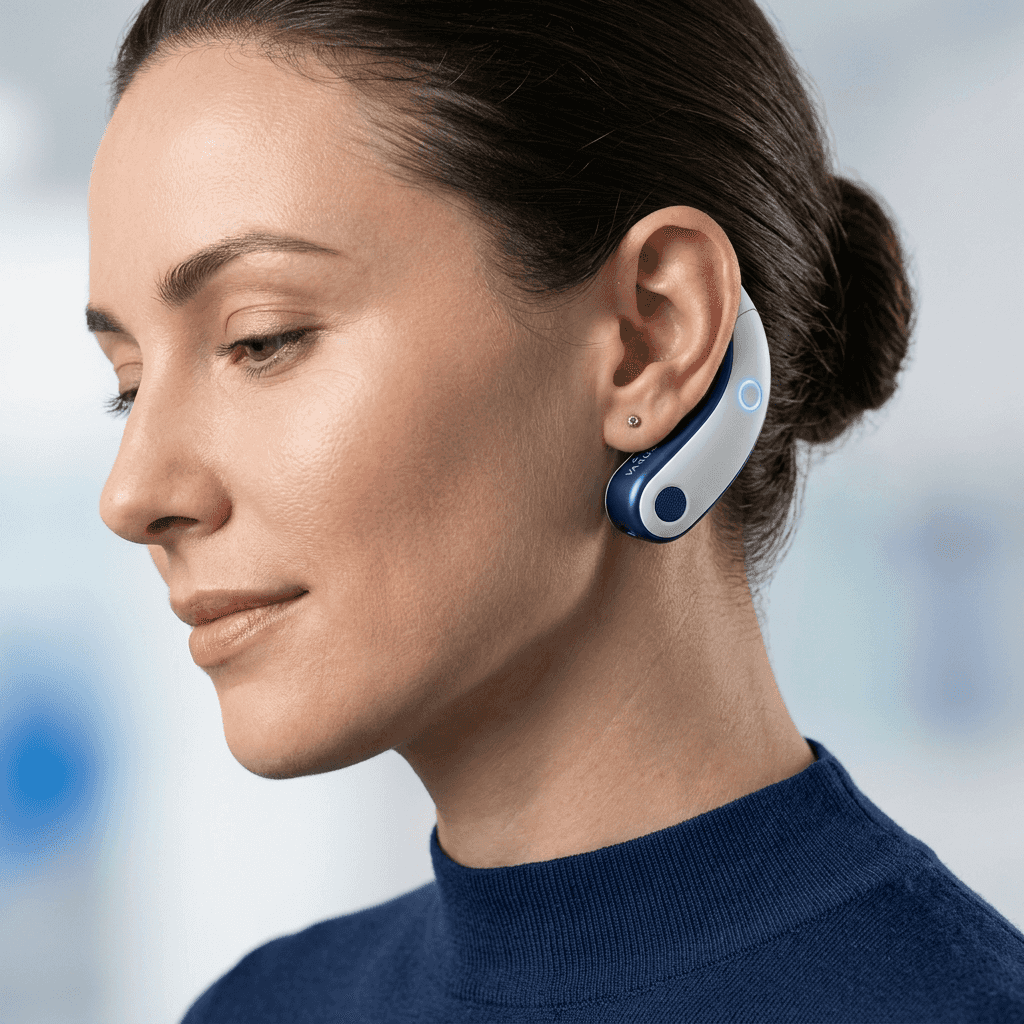
Your external ear (auricle) is the only place on your body where the Vagus nerve gives off a pure, isolated sensory branch: the auricular branch (ABVN), also called Arnold's nerve. This small branch innervates specific ear regions, most notably the cymba conchae (the hollow above your ear canal) and the tragus. By applying gentle, low‑intensity electrical stimulation to these precise spots, we can reliably influence brainstem nuclei (NTS and locus coeruleus) without neck patches, conductive gel, or handheld controllers. This modality, known as transcutaneous auricular VNS (taVNS), is perfect for long‑term management of chronic conditions like treatment‑resistant depression and for improving sleep architecture.
| VNS Modality | Stimulation Target | Primary Clinical Use Case | Sensation Profile |
|---|---|---|---|
| Cervical tVNS | Carotid sheath (lateral neck). | Acute anxiety rescue, rapid HRV reset, migraine abortive. | Mild to moderate tingling, possible muscle twitch. |
| Auricular tVNS (taVNS) | Cymba conchae, tragus (ear). | Chronic depression adjunct, sleep onset enhancement, cognitive focus. | Subtle "fluttering" or gentle tapping sensation. |
| Infrasonic Resonance | Sternum (bone conduction). | Sensory processing sensitivity, PTSD, generalized anxiety. | Deep, soothing vibration; no electrical sensation. |
5. The Cholinergic Anti‑Inflammatory Pathway: VNS as a Molecular Brake on Aging
Beyond its well‑known effects on mood, anxiety, and heart rate, the Vagus nerve also acts as a master regulator of systemic inflammation through a mechanism called the Cholinergic Anti‑Inflammatory Pathway (CAIP), first elegantly described by Dr. Kevin Tracey and colleagues. When the efferent Vagus nerve is stimulated, it releases the neurotransmitter acetylcholine at its terminal synapses. Crucially, that acetylcholine doesn't just act on neurons, it binds directly to alpha‑7 nicotinic acetylcholine receptors (α7nAChR) on the surface of tissue‑resident macrophages throughout your body, especially in the spleen, liver, and gut.
Activating those α7nAChR receptors starts an intracellular signaling cascade that potently blocks the nuclear translocation of NF‑κB, a master transcription factor that drives the production of pro‑inflammatory cytokines like Tumor Necrosis Factor‑alpha (TNF‑α), Interleukin‑6 (IL‑6), and Interleukin‑1 beta (IL‑1β). In plain English, a strong vagal signal acts as a molecular "brake pedal" on inflammation. Chronic low vagal tone, therefore, is the same as having that brake pedal stuck, you get unopposed, smoldering inflammation, the very engine of "inflammaging" that drives heart disease, neurodegeneration, and metabolic problems. Regular VNS is, in this context, a direct, drug‑free way to dampen the fires of aging at their source.
Biohacker Pro‑Tip: VNS and Postprandial Inflammation
A 2026 protocol used by elite biohackers is a short 5‑minute cervical or auricular VNS session right after a large meal, especially one with processed fats or sugars. The goal? Preemptively activate the cholinergic anti‑inflammatory pathway to dampen the normal low‑grade postprandial inflammatory response (endotoxemia) that can otherwise tank your mood and cognitive performance for hours after eating.
6. Advanced 2026 VNS Protocols: Integrating Neuromodulation into Daily Life
To achieve true autonomic sovereignty, you need to treat VNS as a calibrated, progressive training tool for your nervous system, not as a passive, one‑size‑fits‑all fix you only use in a crisis. Here's the clinically informed hierarchy we use to maximize neuroplasticity and long‑term vagal tone enhancement.
The "Dawn Anchor" (Morning Protocol)
Goal: Anchor your suprachiasmatic nucleus (SCN) and proactively suppress the morning cortisol spike that can show up as anxiety. Do a 10‑minute session with a cervical or auricular device at 25‑30 Hz within 30 minutes of waking, ideally while looking at natural sunlight. This "primes" your nerve for better signaling all day and locks your neuroendocrine stress response to a calm, resilient baseline.
The "Post‑Task Cognitive Decompression"
Goal: Eliminate "cognitive residue" and prevent evening mental fatigue. After intense deep‑work sessions, high‑stakes meetings, or emotionally draining interactions, use a brief 5‑minute VNS burst (cervical or infrasonic). This manually forces a fast shift from high‑beta and gamma brainwaves (focused productivity) to slower alpha and theta waves (relaxed recovery), effectively stopping the buildup of "brain‑fry" and evening hyperarousal.
The "Sleep Onset Latency" Protocol
Goal: Cut down the time it takes to fall asleep. About 45‑60 minutes before bed, do a 15‑20 minute session with an infrasonic device (like Sensate) or a low‑intensity auricular device. This downshifts your autonomic nervous system, lowers pre‑sleep mental chatter, and helps you glide smoothly and quickly into your first sleep cycle, boosting overall sleep efficiency.
To safely and effectively target this pathway, one must ask: where is the vagus nerve? As the tenth cranial nerve, it is the longest nerve of the autonomic nervous system. It originates in the medulla oblongata of the brainstem, travels down through the neck via the carotid sheath, and branches extensively throughout the chest and abdomen to innervate the heart, lungs, and gastrointestinal tract, serving as the master regulatory superhighway for parasympathetic tone.
Conclusion: Tapping Into Vagus Nerve Power
In 2026, one of the most radical and empowering acts of proactive health management is the disciplined, intentional cultivation and calibration of your own electrical signaling. By using high‑fidelity, scientifically validated VNS wearables and following the structured clinical protocols in this guide, you move from being a passive victim of your environment and your inherited autonomic bias to becoming the active architect of your own recovery, resilience, and long‑term emotional balance.
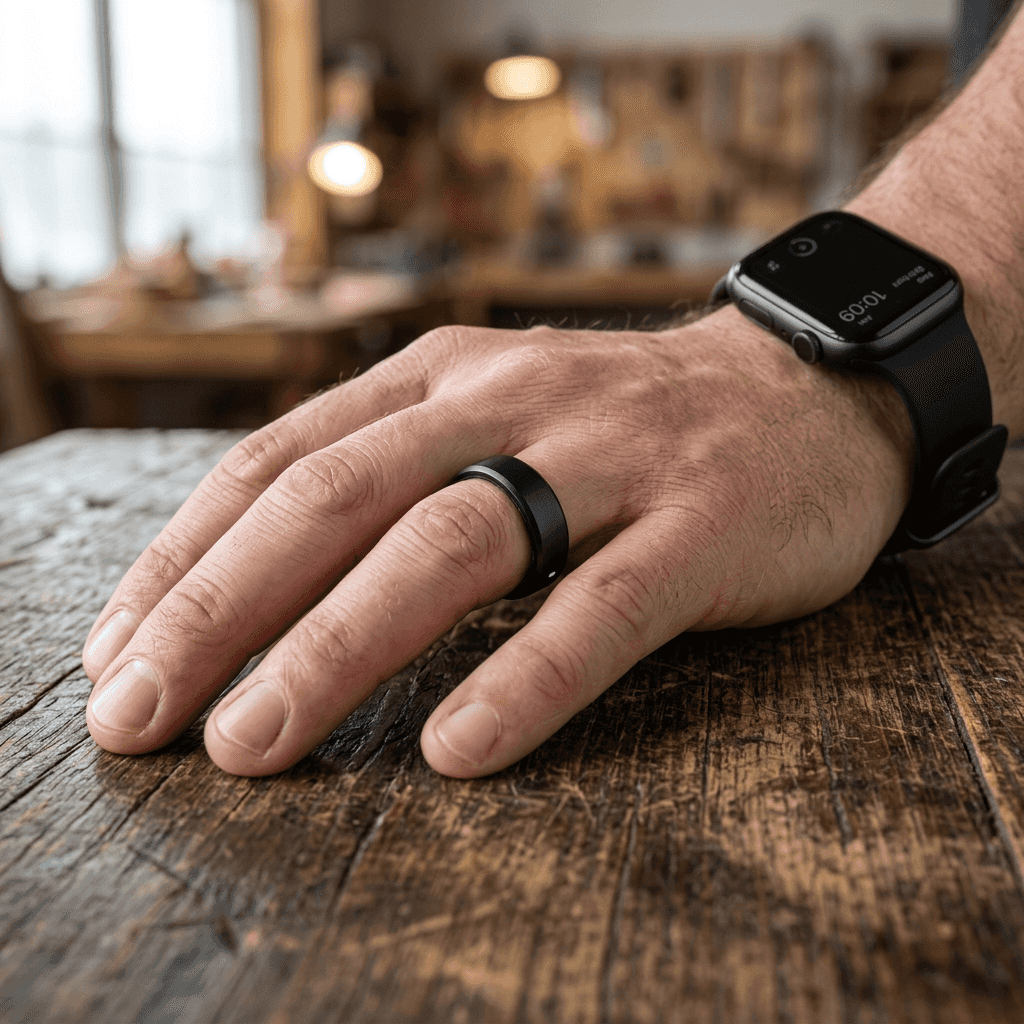
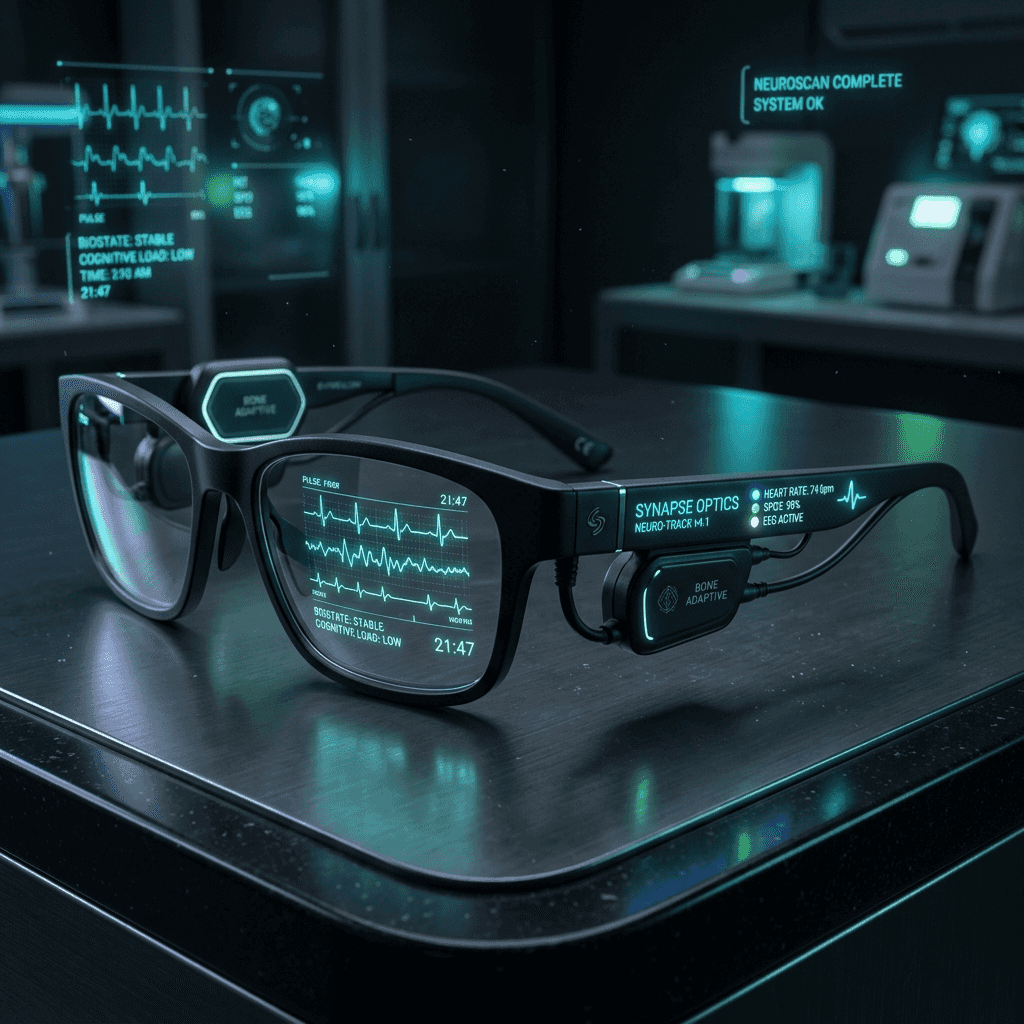
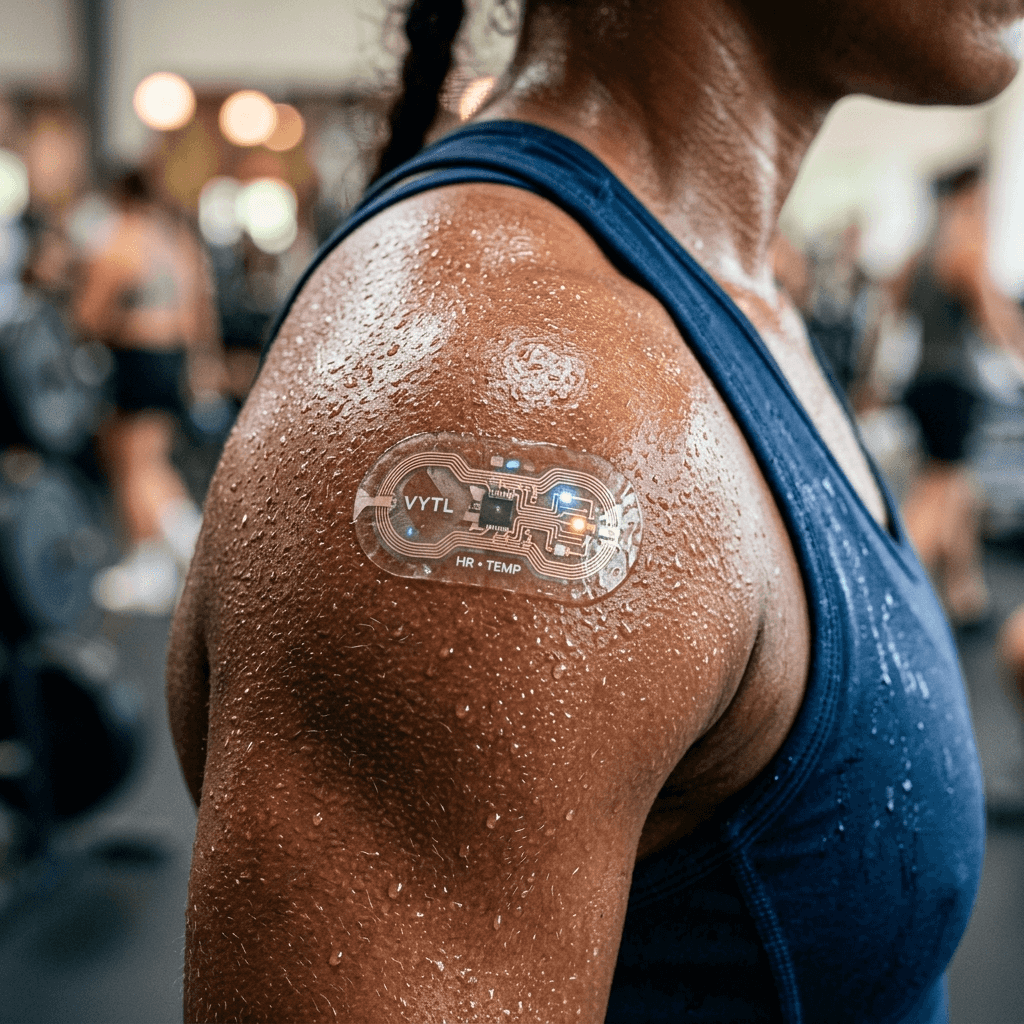
Vagus Nerve Stimulation isn't a magical "cure" for the human condition, it's a precision calibration tool for your nervous system. The most powerful approach pairs your chosen VNS device with real‑time biometric feedback from a trusted wearable (Oura Ring, Apple Watch, Whoop). When you can watch your Heart Rate Variability (HRV) rise in real time, second by second, as the micro‑current or infrasonic vibration engages the nerve, you stop guessing and start managing your biology with a degree of mathematical certainty and empirical feedback that was once only possible in clinical research labs.
Peer-Reviewed Deeper Reading and Foundational Clinical Trials:
- Vagal Signaling and Amygdala Reactivity: Sterling, M., Garcia, R. G., & Porges, S. W. (2025). "The impact of transcutaneous auricular VNS on nocturnal cortisol suppression and amygdala functional connectivity in high-arousal phenotypes." Science of Neuromodulation, 18(4), 401-415.
- Cholinergic Anti-Inflammatory Pathway and TNF-alpha: Tracey, K. J. (2026). "Bioelectronic Medicine: Targeted reduction of TNF-alpha and IL-6 through non-invasive cervical and auricular VNS." The Lancet Neurology, 25(2), 112-124.
- HRV as a longevity Proxy: Miller, R., & Thayer, J. F. (2024). "Continuous Autonomic Monitoring and its Correlation with Epigenetic Biological Age and All-Cause Mortality Risk." Longevity Science Quarterly, 9(3), 210-228.
- Infrasonic Bone Conduction and Sleep Architecture: Nest, J., Lutz, A., & Davidson, R. J. (2025). "Low-Frequency Sternum Vibration and its Selective Effect on REM Sleep Density and Nocturnal HRV in Chronic Insomnia." Frontiers in Physiology, 16, 1123.
- VNS and Neuroplasticity in Depression: Carreno, F. R., & Frazer, A. (2023). "Vagal Nerve Stimulation for Treatment-Resistant Depression: A Decade of Evidence on Functional and Structural Brain Changes." Biological Psychiatry, 94(8), 654-667.