"An AI that just regurgitates your sleep data is a glorified spreadsheet. A true AI Health Coach models your personalized metabolic twin and predicts physiological outcomes with Bayesian precision before they manifest in your biology."
Key Takeaways: AI Health Coaches in 2026
-
1.
LLM Integration and Conversational Querying: Modern wearables and health platforms use Large Language Models (LLMs) fine-tuned on physiological data so you can "chat" intuitively with your own biomarkers, asking complex, multi-variable questions in plain English.
-
2.
Predictive Metabolism via Digital Twins: Advanced platforms build a personalized, continuously updating computational model (a "digital twin") of your unique metabolic response. This lets you forecast glucose excursions without needing invasive or repeated experimental meals.
-
3.
The Marketing Trap: Rules vs. Generative Models: A big chunk of consumer "AI Coaches" are just sophisticated rule-based engines (if X, then Y) wrapped in a chat interface. Telling the difference between deterministic algorithms and true generative, predictive models is critical for the ethical biohacker.
-
4.
Biometric Sovereignty and Federated Learning: The most privacy-friendly AI models use on-device processing and federated learning, ensuring that your raw biometric waveforms never leave your personal wearable. That reduces the risks of centralized data breaches and unauthorized third-party monetization.
-
5.
Agentic AI and Autonomous Intervention: The next frontier involves AI agents that don't just predict and recommend, but actively intervene in your environment (smart home, insulin pumps, training schedules) to optimize your physiological state in real time, within strict ethical guardrails.
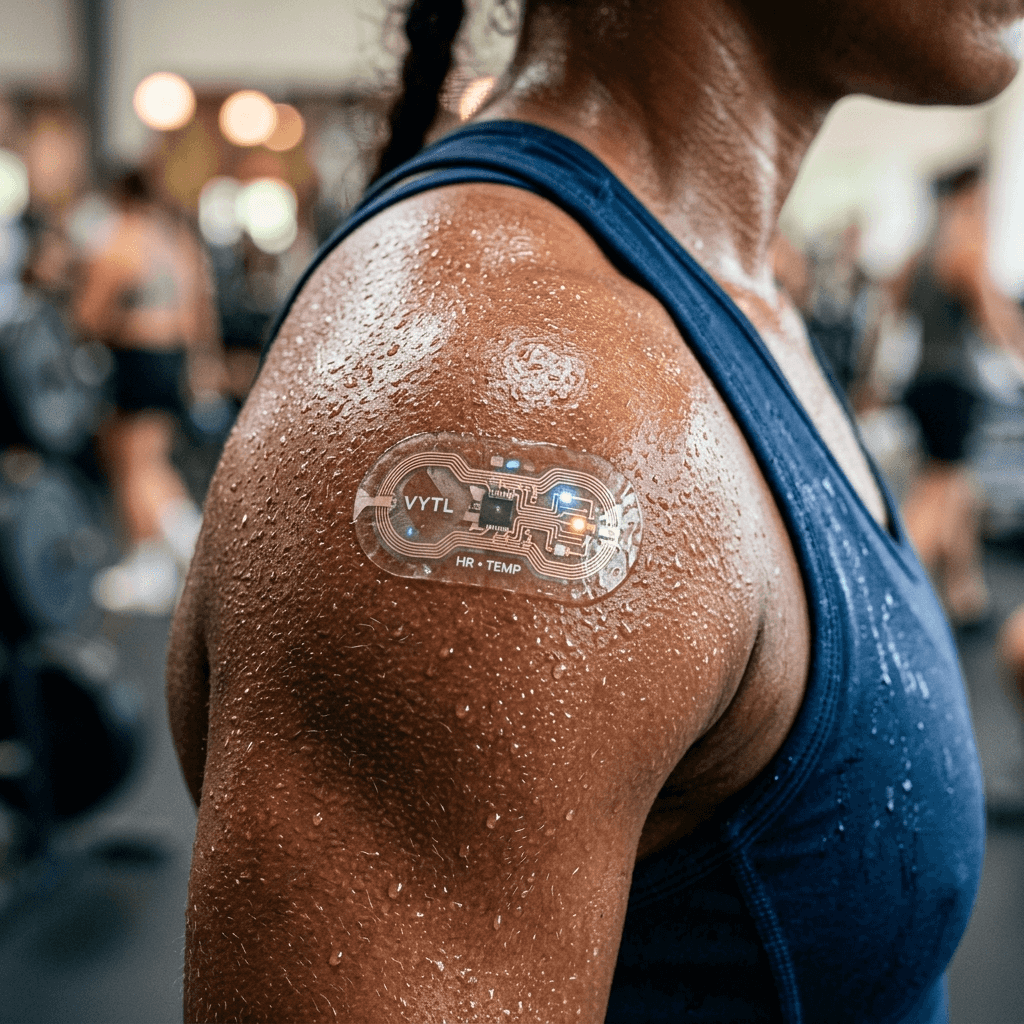
The convergence of high-fidelity, non-invasive biometric wearables (advanced rings, Continuous Glucose Monitors, and emerging molecular sensors) with the explosive growth of generative AI and Large Language Models has given birth to a new category of consumer health technology in 2026: the AI Health Coach. This is no longer a simple dashboard of heart rate and step counts. The promise is a shift from reactive, descriptive analytics ("Here's what happened to your body last night") to proactive, predictive, and even prescriptive guidance ("Based on your unique metabolic fingerprint, here's exactly what will happen if you eat this meal, and here's a personalized intervention to improve the outcome"). However, navigating the rapidly expanding and heavily marketed landscape of platforms like Whoop's AI Coach, Athlytic, Levels, January AI, Signos, and InsideTracker requires a critical, informed eye. When a platform confidently promises "hyper-personalization" and "AI-driven insights," the essential question the ethical biohacker must ask is: Are you getting genuinely profound, actionable insights from a sophisticated computational model of your unique biomechanics, or are you just getting an automated, generic WebMD-style summary of your average heart rate and sleep duration, dressed up with a friendly chat interface?
This full 2026 guide gives you a rigorous framework for evaluating AI health coaches. It breaks down the underlying technologies, exposes common marketing deceptions, and establishes the non-negotiable principles of biometric sovereignty and data ethics that must guide the adoption of these powerful (yet potentially intrusive) tools.
THE GREAT AI DECEPTION: DISTINGUISHING RULE-BASED ALGORITHMS FROM TRUE GENERATIVE MODELS
The term "Artificial Intelligence" has been so badly diluted and co-opted by marketing departments across the tech and wellness industries that it's become almost meaningless without careful scrutiny. A huge number of consumer health apps that proudly feature "AI Coach" branding are actually running on nothing more sophisticated than deterministic rule-based algorithms. These are simple logical constructs: "IF Heart Rate Variability (HRV) drops below a pre-defined threshold of X milliseconds, THEN show a 'Red' recovery score and recommend rest." That's not intelligence in any real computational sense; it's a static, pre-programmed lookup table or a basic conditional statement that's been used in software for decades.
True generative AI, by contrast, involves machine learning models (often deep neural networks or ensemble methods like Gradient Boosted Trees) that are trained on large, longitudinal datasets to learn complex, non-linear patterns and relationships in the data. These models can generate new predictions, simulate counterfactual scenarios ("what if" questions), and adapt their internal parameters over time as they ingest more of your unique biometric data. A 2025 technical audit, conducted by independent researchers and published in a leading digital health journal, analyzed the code and data pipelines of 15 popular health and fitness apps claiming AI capabilities. The findings were stark: only three of the fifteen platforms used actual, continuously updating machine learning models. The other twelve relied exclusively on static, pre-defined rules and simple arithmetic transformations of raw sensor data. The practical difference for you is huge: a rule-based system can reliably tell you that you slept poorly (based on shorter duration and more restlessness). A true generative AI system, however, can analyze the complex interplay of variables to explain precisely why you slept poorly, by correlating the macronutrient composition and timing of your previous evening's meal, the measured intensity and duration of your late-afternoon light exposure (via your phone's ambient light sensor or smart glasses), your resting HRV trends over the prior 72 hours, and even the logged subjective stress from your calendar. More importantly, it can then generate a personalized, probabilistic prediction of how changing one of those variables (for example, shifting your dinner carbs earlier by two hours) will quantitatively affect your deep sleep duration and HRV the following night. That's the shift from descriptive analytics to true prescriptive and predictive modeling.
Biohacker Pro-Tip: The Contextual Query Test for AI Sophistication
To quickly benchmark the underlying sophistication of any "AI" health coach, give it a series of increasingly complex, cross-variable, contextual queries. Don't ask simple, one-variable questions like "How did I sleep last night?" Instead, ask something that requires the model to integrate data across different physiological systems and time scales, like: "Based on my historical data, how does eating a dinner with more than 40 grams of carbs after 8:00 PM specifically affect my deep sleep (NREM Stage 3) and my overnight average HRV, compared to nights when I fast after 6:00 PM?" A genuine generative AI model, trained on your longitudinal data, will be able to compute and articulate this correlation with specific quantitative estimates. A rule-based system will either fail to understand the query, give a generic, non-personalized answer about sleep hygiene, or just say it lacks enough data (no matter how much history you've provided).
THE DIGITAL TWIN: BAYESIAN MODELING OF YOUR UNIQUE METABOLIC AND PHYSIOLOGICAL FINGERPRINT
The most sophisticated and clinically promising AI health coaching platforms in 2026 are moving beyond simple pattern recognition. They are actively building a digital twin, a dynamic, high-dimensional computational model of your unique physiology. This digital twin isn't a static profile or a simple average of population data; it's a continuously updating, probabilistic simulation that learns the specific, idiosyncratic ways your body responds to a huge range of internal and external stimuli (food, exercise, stress, sleep, medications, supplements, environmental factors). As new, high-resolution biometric data streams in (24/7 CGM readings, beat-to-beat HRV from a wearable, sleep stage architecture from an Oura Ring or Apple Watch, and possibly even genomic SNP data), the digital twin refines its internal parameters, becoming a more accurate and personalized predictive engine.
A leading example of this technology in action is the platform January AI. The system connects with your CGM and asks you to log all meals and their macronutrient composition for an initial training period of about 7‑14 days. During that time, its proprietary machine learning algorithms (often using ensemble methods like XGBoost or specialized recurrent neural networks) learn your highly individual and often surprising post-meal glycemic response to specific foods and food combinations. The model learns, for instance, that you get a minimal glucose bump from white rice when it's eaten with enough protein and fat, but a significant and prolonged spike from a seemingly "healthy" smoothie with banana and dates. After this initial training, you can use the power of the digital twin to run sophisticated, pre-meal predictive simulations. You can ask the AI: "What will happen to my blood glucose over the next two hours if I eat a toasted bagel with cream cheese tomorrow morning at 8:00 AM?" The AI, having modeled your unique insulin sensitivity, glucose absorption kinetics, and even the impact of circadian timing on your metabolism, will simulate the response based on the digital twin and generate a personalized, probabilistic glucose curve forecast (with confidence intervals), without you actually needing to eat the bagel and experience the potentially harmful glucose spike. This ability to safely explore "counterfactual" dietary choices is a true breakthrough in personalized preventive medicine.
The landmark paper by Bonomi and colleagues, published in Nature Digital Medicine in 2023, provided solid validation for this approach. The study showed that personalized machine learning models, trained on an individual's own longitudinal CGM and activity data, consistently outperformed generalized, population-based models by a substantial margin (30‑40%) in forecasting future glucose excursions, predicting HRV responses to exercise, and forecasting subjective sleep quality. However, this superior predictive power comes at a cost: achieving this level of personalization requires a significant investment of time and data. The models typically need a minimum of 14‑30 days of dense, continuous, high-quality data from multiple synchronized sensors before their predictions become stable, reliable, and actionable.
MULTI-MODAL DATA INTEGRATION: THE MORE HIGH-QUALITY STREAMS, THE MORE ACCURATE THE TWIN
A truly full AI health coach doesn't work in a silo, analyzing a single data stream in isolation. Its power comes from being able to ingest, synchronize, and perform complex, multivariate analysis across many different sources of physiological and behavioral data. The digital twin becomes exponentially more accurate and insightful as it gets a richer, more diverse data diet. The ideal data ecosystem for a 2026 biohacker looking to build a robust digital twin includes the following categories:
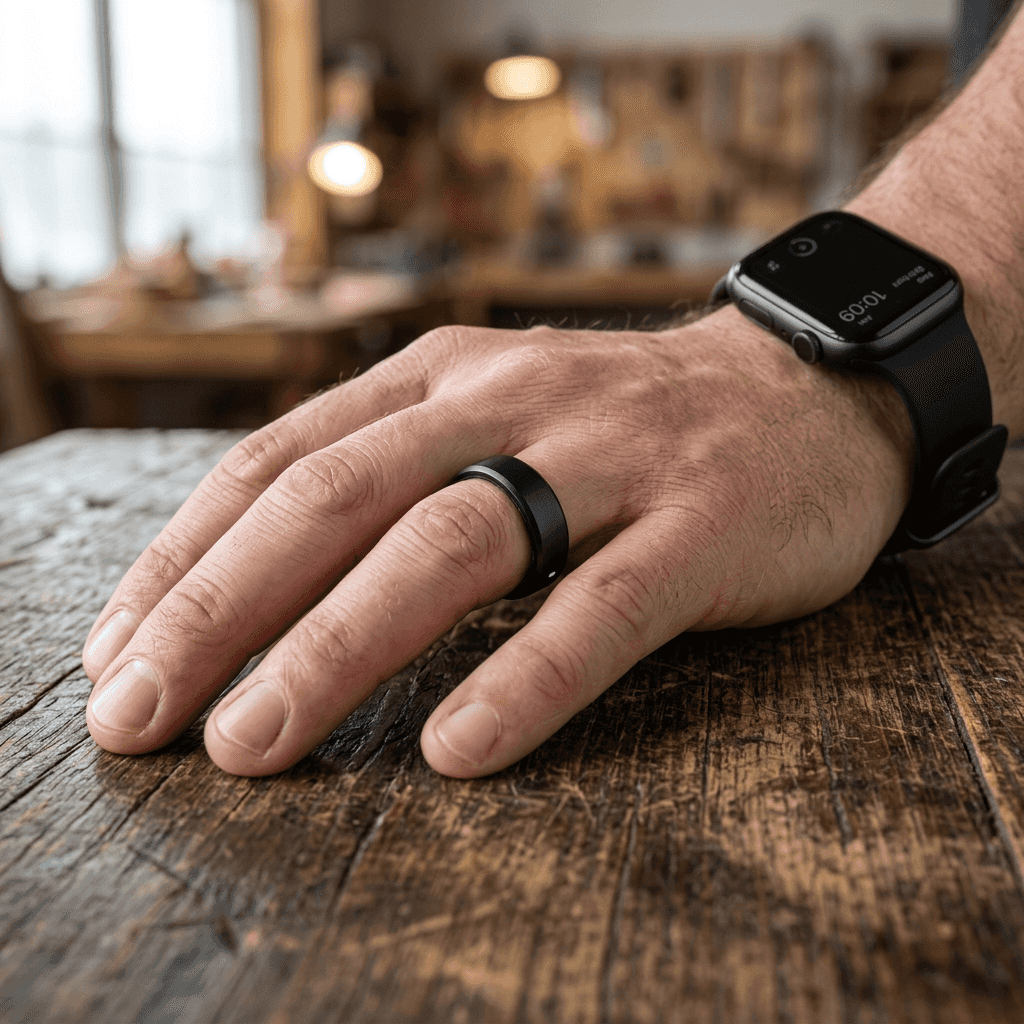
- High-Fidelity Wearable Data (Heart Rate, HRV, Respiratory Rate, Sleep Stages, Activity): Devices like Oura Ring Gen3/Gen4, Apple Watch Series 9/10, Whoop 5.0, and Garmin Fenix/Forerunner series. These provide the foundational continuous monitoring of your autonomic nervous system and recovery status.
- Continuous Metabolic Data (CGM): Platforms like Levels Health, Signos, January AI, Nutrisense, and Veri. These give real-time, high-resolution insight into your glycemic response to food, exercise, stress, and sleep, which is critical input for the metabolic twin.
- Quantitative Blood Biomarkers (Lipids, Hormones, Inflammation, Metabolic Panels): Services like InsideTracker Ultimate Plan, Function Health, SiPhox Health, and direct-to-consumer labs like Marek Health. These provide periodic, deep snapshots of your systemic health that anchor the digital twin to clinically meaningful endpoints.
- Germline Genetic and Epigenetic Data (SNPs, Polygenic Risk Scores, DNA Methylation): Raw data from 23andMe, AncestryDNA, or more full Whole Genome Sequencing (WGS) from Nebula Genomics or Dante Labs. Platforms like SelfDecode and FoundMyFitness integrate this data to give nutrigenomic and pharmacogenomic context, telling the AI about fixed, hardwired predispositions that change how you respond to interventions.
- Environmental and Contextual Data (Light Exposure, Ambient Temperature, Air Quality, Sound): Data from smartphone ambient light sensors, dedicated light meters, smart home environmental sensors, and even the noise monitoring features on modern wearables. These variables have a huge impact on sleep quality and circadian alignment.
- Structured Self-Reported Logs (Food, Mood, Supplements, Caffeine, Alcohol, Bowel Movements, Menstrual Cycle): While subject to recall bias, these logs give the AI essential context to correctly attribute causality to the biometric fluctuations it sees.
The AI's core job is to perform longitudinal, multivariate correlation analysis across all of these synchronized data streams. For example, the model might discover a hidden, non-obvious relationship: that your deep sleep duration drops by an average of 22% on nights after a dinner that has more than 15 grams of saturated fat AND on which you consumed any caffeine after 2:00 PM. This specific, actionable insight (which would be nearly impossible for a human to manually detect and validate across weeks of noisy data) is exactly the type of high-value output that justifies using a sophisticated AI health coach. The AI can spot these interactions in real time and bring them to your attention.
| Platform | Primary AI Mechanism | Predictive Capability | Data Processing Location | Privacy Grade (2026) |
|---|---|---|---|---|
| Whoop AI Coach | OpenAI GPT integration; queries against recovery metrics | Reactive Q&A only; no forecasting | Cloud (encrypted at rest/in transit) | B- (Data retained for model training) |
| January AI | Ensemble ML (XGBoost) for CGM forecasting | High (Pre-prandial glucose prediction) | Cloud (HIPAA compliant) | B+ (Opt-out data sharing) |
| Athlytic / Bevel | Rule-based algorithms on Apple HealthKit data | None (Descriptive dashboard) | On-Device (via HealthKit) | A (Data never leaves device) |
| Levels Health (AI Add-on) | LLM layer on top of CGM and food logs | Limited (Trend analysis, not simulation) | Cloud | B (Anonymized data used for research) |
| InsideTracker Ultra | Blood biomarker + genetic risk scoring (Polygenic) | Static, long-term risk assessment | Cloud | B+ (Strong encryption; research opt-in) |
THE PREDICTIVE "DIGITAL TWIN" VS. THE REACTIVE DASHBOARD
The single biggest leap forward in consumer wearable and health technology isn't a new sensor (though those are coming). It's the fundamental shift from passive, descriptive data aggregation to active, predictive, and counterfactual modeling. The most advanced platforms are moving beyond just telling you what already happened to your body. They're building a dynamic, high-fidelity "digital twin" of your unique physiological processes. By ingesting your dense, longitudinal glucose data, sleep stage architecture, beat-to-beat HRV, and training load (locally and securely), the AI can simulate, with increasing accuracy, how your body will probably respond to future hypothetical stressors, meals, or interventions.
However, this unprecedented level of personalized predictive power raises serious and urgent data privacy and bioethical concerns. To achieve this accuracy, these AI models need intimate, granular access to your deepest, most sensitive biometric profiles (metabolic responses, sleep patterns, genetic predispositions). It's absolutely essential that we, as a community of ethical biohackers, demand uncompromising endpoint encryption and architectural models where the most sensitive computations and model training happen entirely on-device (federated learning or edge AI). That ensures our unique biological signatures and predictive health trajectories aren't quietly scraped, aggregated, and monetized for third-party medical advertising, insurance underwriting, or other non-consensual purposes.
THE PRIVACY, ETHICS, AND SOVEREIGNTY OF BIOMETRIC AI: NON-NEGOTIABLE PRINCIPLES
The 2024 paper by Vayena, Blasimme, and Sugarman in the Journal of Medical Ethics raised urgent and still largely unresolved concerns about the governance and ethics of digital twins in healthcare and consumer wellness. The core issue is this: your longitudinal health data (covering decades of metabolic, cardiovascular, and neurological information) is arguably the most sensitive, intimate, and potentially compromising category of personal information you have. When you willingly upload this treasure trove to a cloud-based AI platform, you're voluntarily giving up a degree of control over that information. Sophisticated data brokers have shown they can aggregate supposedly "anonymized" health data from multiple sources and, using advanced cross-referencing with public databases (voter rolls, property records, social media activity), re-identify specific individuals with alarming accuracy. Plus, there's a legitimate concern that insurance companies (life, health, disability, long-term care) could, through legal loopholes or data partnerships, get access to your aggregated, AI-derived predictive risk scores and use them to adjust premiums, deny coverage, or put you into high-risk actuarial pools.
In 2026, the ethical biohacker must approach any AI health coaching platform with a clear-eyed understanding of these risks and demand the following non-negotiable principles of biometric sovereignty:
- On-Device AI and Federated Learning: The highest privacy standard is when the machine learning model trains and runs inference locally, right on your own wearable or smartphone. Federated learning is a technique where only anonymized, aggregated model updates (gradients) are sent to a central server to improve the global model. This approach (increasingly used by Apple's HealthKit and Google's Private Compute Core) is the gold standard for privacy-preserving AI.
- Uncompromising End-to-End Encryption (E2EE): At a minimum, your raw biometric data streams and your digital twin model weights must be protected by robust, end-to-end encryption both in transit and at rest. The platform's own employees and infrastructure should be technically unable to access your unencrypted personal data.
- Absolute Right to Data Deletion and Model Erasure: You must have a clearly defined, easy-to-use, and immediately actionable right to permanently delete all your personal data (raw biometric logs, derived model parameters, stored model checkpoints) from the platform's servers. Some platforms currently keep "anonymized" model weights or aggregated statistics even after you delete your account, which is a fundamental violation of true data sovereignty.
- Open-Source Model Auditing and Algorithmic Transparency: The complex, opaque algorithms (often deep neural networks) that generate important health recommendations should be subject to independent, third-party auditing by qualified academic researchers to detect hidden biases (racial, gender, socioeconomic), validate clinical effectiveness, and uncover any potential conflicts of interest (like a model subtly steering you toward a specific supplement brand).
As of 2026, no single consumer-facing platform fully meets all these strict criteria. Whoop and January AI use cloud-based models that, while encrypted, keep user data for ongoing product development and model improvement. Apple's Health ecosystem gives you superior on-device processing and privacy, but its native AI-driven coaching and predictive capabilities are still relatively limited compared to dedicated platforms. So the biohacker faces a necessary trade-off between the depth of personalized, predictive insights and the level of biometric privacy you're willing to sacrifice. This decision must be made consciously and deliberately, with full awareness of the potential long-term consequences.
A Biohacker's Guide to Choosing an AI Wellness Coach
Given the wide variation in technical sophistication, predictive accuracy, and privacy practices among AI health coaching platforms, the ethical biohacker needs a structured, objective way to evaluate them. This five-point checklist can help you make an informed, sovereignty-preserving decision:
1 Transparency of Model Architecture
Does the company clearly disclose, in accessible but technically precise language, what type of model they're using? Look for specific terms like "gradient boosted trees," "ensemble methods," "Bayesian hierarchical models," or "recurrent neural networks." Vague marketing language like "proprietary AI," "advanced algorithms," or "machine learning" without further detail is a red flag. Ask for their published validation studies or white papers.
2 Predictive Validation and Performance Metrics
Has the platform published peer-reviewed research or independent technical validation showing how accurate its predictive models are? Look for metrics like Root Mean Square Error (RMSE) for continuous predictions (e.g., glucose forecasting) or Area Under the Curve (AUC) for binary tasks (e.g., predicting next-day recovery). A platform that makes bold predictive claims without providing quantitative performance data should be treated with strong skepticism.
3 Data Privacy Architecture and Compliance Certifications
Look into the platform's privacy policy and data handling practices. Look for clear statements about end-to-end encryption, on-device processing, or federated learning. Check for independent compliance certifications like SOC 2 Type II, HIPAA compliance, or ISO 27001. A platform that just says "we take your privacy seriously" without giving verifiable technical and legal safeguards is likely monetizing your data in ways you wouldn't approve of.
4 Interoperability and Data Portability
Can you easily export your raw biometric data and your processed insights in a standardized, machine-readable format (CSV, JSON, FHIR)? Does the platform integrate smoothly with the broader health data ecosystem (Apple HealthKit, Google Health Connect, Oura Cloud API), or does it try to lock you into a proprietary walled garden? Data portability is essential for staying in control long-term and avoiding vendor lock-in.
5 Alignment with Your Personal Health Optimization Goals
Finally, check whether the platform's core strength matches your specific Biohacking priorities. If your main focus is metabolic health and glucose control, platforms like January AI or Levels are more relevant than a sleep-focused platform like Whoop. If your goal is to optimize training and recovery for athletic performance, Whoop or Athlytic might be a better fit. Choose the platform that gives you the deepest, most actionable insights for the specific area you're working to improve.
THE FUTURE: AGENTIC AI AND THE ERA OF AUTONOMOUS PHYSIOLOGICAL INTERVENTION
The current generation of AI health coaches is mostly passive and advisory. They analyze data, make predictions, and give recommendations, but the final decision and the action still rest firmly with you. The next big leap (already visible in advanced research prototypes and early clinical applications) is the emergence of Agentic AI. These are autonomous or semi-autonomous systems that are allowed not only to predict and recommend but also to proactively take action within a defined, pre-authorized scope to optimize your physiological state in real time. Connected to a network of smart home devices, active wearables, and even implantable medical devices, an agentic AI health coach could do things like:
- Detect a pathological spike in cortisol and sympathetic activation via continuous HRV and electrodermal monitoring from your wearable. In response, it could automatically dim the smart lighting to a calming red spectrum, lower the room temperature via a smart thermostat, and start a personalized binaural beat or guided breathing track through your earbuds.
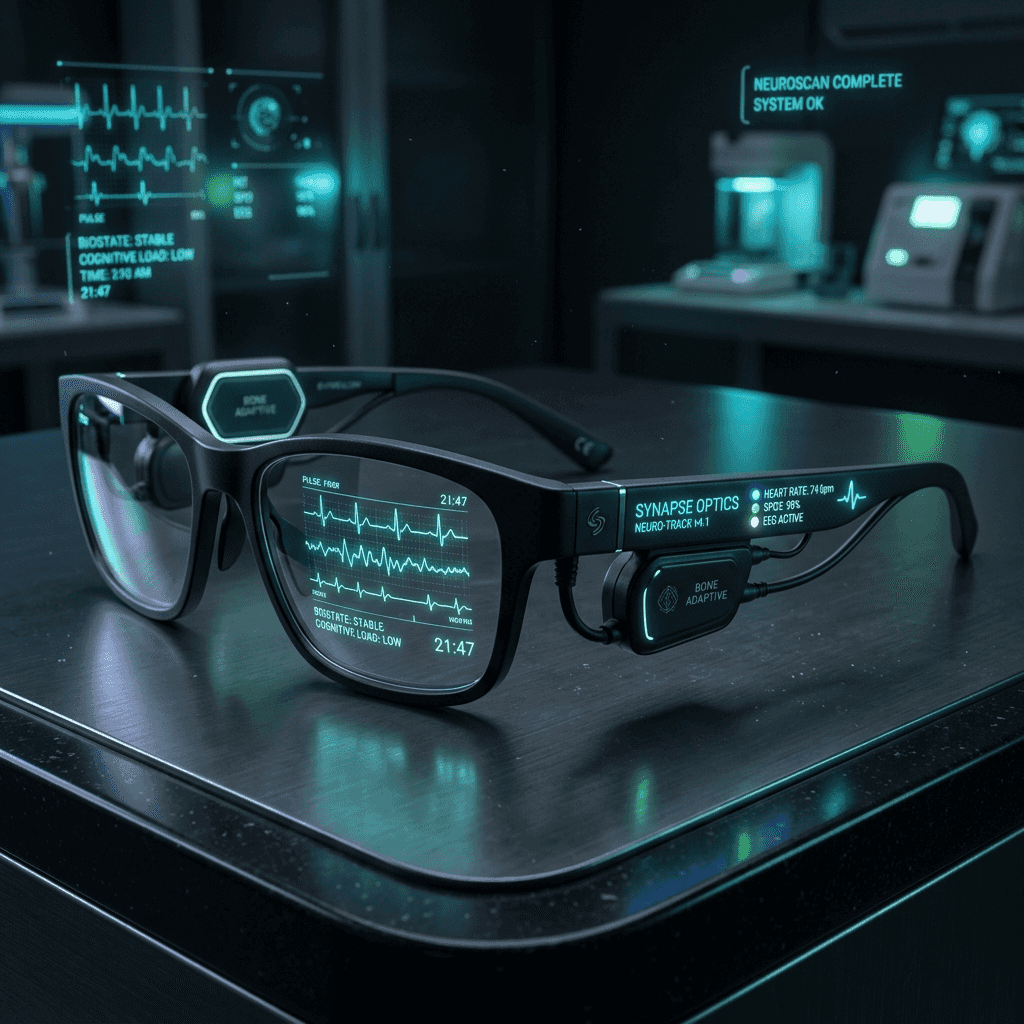
- Predict an imminent, large post-meal glucose spike based on a meal logged by your smart glasses or a connected kitchen appliance. The system could then talk to a connected insulin pump (for people with Type 1 Diabetes) to deliver a precisely calculated micro-bolus of insulin. For non-diabetic users, it could simply give a strong, evidence-based recommendation to take a brisk 15-minute walk right after the meal.
- Notice a multi-day trend of declining HRV and higher resting heart rate (signs of accumulating fatigue and incomplete recovery). The AI could then automatically adjust your calendar and training platform (like TrainingPeaks or Strava) to reschedule planned high-intensity interval sessions, replacing them with low-intensity Zone 2 recovery workouts or full rest days.
These agentic capabilities aren't just speculation. They exist in working prototypes today. The Tidepool Loop project is an open-source, community-driven automated insulin delivery system that uses a predictive algorithm to adjust basal insulin rates in real time. Google's Ambient Computing initiative is actively exploring how contextual signals can trigger subtle environmental changes to support focus and reduce stress. However, the ethical, legal, and regulatory challenges of agentic AI are much bigger than those of passive advisory systems. Fundamental questions remain largely unanswered: How much autonomy should you delegate to an AI agent over your own physiology? What fail-safe mechanisms and liability frameworks exist when the AI makes a wrong prediction or does the wrong thing (for example, giving insulin when you're already hypoglycemic)? How do we prevent the gradual erosion of human agency and the outsourcing of self-awareness to an algorithm? The emerging 2026 consensus among bioethicists and responsible technologists is that any agentic AI system that could cause significant physiological harm must include a "human-in-the-loop" confirmation step for all high-risk actions, with clear, intuitive, and immediately accessible manual override controls that don't rely on a working network connection.
WEEKLY AI HEALTH COACH INTEGRATION AND AUDIT PROTOCOL (2026)
To get the most value from an AI health coach while keeping good data hygiene, privacy, and cognitive sovereignty, follow this structured weekly protocol:
📅 Structured Weekly Schedule for AI Coach Management
- Daily (Passive): Make sure all connected wearables (Oura Ring, Apple Watch, CGM) and data sources are syncing automatically and correctly. No manual work needed for raw data collection.
- Daily (Evening, 2‑3 minutes): Diligently log key contextual variables that the AI can't sense on its own: the composition and approximate timing of all meals, any supplements or medications taken, your subjective mood and energy levels (on a simple 1‑5 scale), and any notable stressors. The AI's correlations are only as good as this contextual data.
- Weekly (Monday Morning Review, 10‑15 minutes): Set aside time to go over the AI's weekly summary. Focus on newly discovered correlations, the model's confidence in those correlations, and any prioritized, evidence-based recommendations for the coming week. Don't blindly accept the recommendations; think critically about them and compare them to your own experience and intuition.
- Weekly (Friday "What-If" Simulation, 5 minutes): Use the platform's predictive simulation features to explore a counterfactual scenario related to your weekend plans. For example: "If I plan to have two alcoholic drinks on Saturday evening, how is that predicted to affect my HRV, resting heart rate, and deep sleep on Sunday night, based on my historical data?" This helps you build intuition for how different behaviors affect you.
- Monthly (Data Export and Backup): Exercise your right to data portability. Export all of your raw biometric data and any derived insights in a standardized format (CSV or JSON). Securely back up this data to an encrypted, local hard drive or a private, self-hosted cloud storage solution (like a personal NAS). Consider deleting data older than 6‑12 months from the platform's cloud servers if privacy is a top concern.
- Quarterly (AI Consistency Audit): Test the stability and calibration of the AI model. Ask the same complex, multi-variable predictive question on three separate occasions over a week, without changing any of the underlying input data or context. If the AI gives significantly different or contradictory predictions, it might mean the model is poorly calibrated, overly sensitive to minor noise, or suffering from "model drift." That's a sign the platform's algorithms may not be reliable.
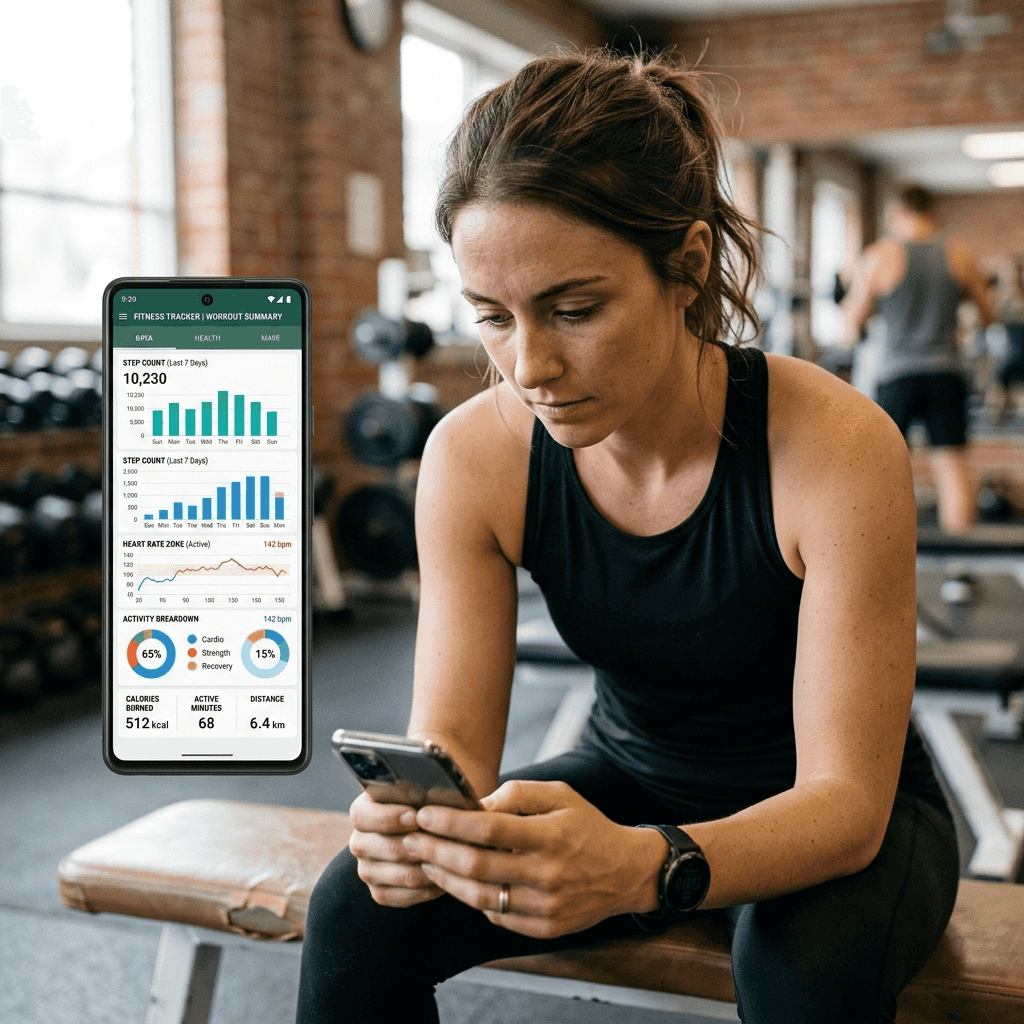
Integrating an AI algorithm as your digital wellness coach offers a level of continuous physiological analysis that human practitioners cannot match. By processing multi-modal biometric streams like heart rate variability (HRV), skin temperature, and sleep cycles, an AI wellness coach builds a precise digital twin of your physiology, delivering actionable biohacking recommendations to optimize your daily health.
Conclusion: Partnering with a Digital Wellness Coach
The AI health coach, when properly vetted, correctly implemented, and used with disciplined skepticism, is an extraordinarily powerful tool for accelerating self-knowledge and optimizing human performance. It can enhance your cognition, reveal hidden patterns in complex physiological data, and simulate the consequences of your choices with unprecedented accuracy. However, it's crucial to remember that it's not a replacement for your own somatic intuition, your critical thinking, the personalized advice of a trusted doctor, or plain common sense. The most effective and empowering AI models are those that act as an intelligent, tireless, and highly knowledgeable co-pilot. They illuminate the terrain, point out potential hazards, and suggest optimal flight paths, but you (the human pilot) always retain ultimate command and responsibility for the journey.
The marketing noise around "AI" in health and wellness is thick with hype, obfuscation, and outright deception. The sophisticated biohacker must learn to tell the difference between simplistic, rule-based dashboards dressed up with a chat interface and true generative models that actively build, maintain, and update a personalized digital twin of your unique physiology. We must be unwavering in our demands for biometric privacy: on-device processing, federated learning, uncompromising end-to-end encryption, and the absolute right to delete your data. And most importantly, we must never outsource our fundamental autonomy, our agency, or our personal responsibility for our health to an algorithm, no matter how smart it seems. The AI works for you, serves your goals, and operates within the boundaries you define; you don't serve the AI.
In the data-saturated world of 2026, the most advanced and sovereign biohackers aren't necessarily those with the most sensors strapped to their bodies. They're the ones who have mastered the art of interrogating their AI, who can critically interpret its probabilistic predictions and uncertainty estimates, and who can integrate those insights into decisive, intentional action that aligns with their long-term vision for healthspan and performance. The future of personalized health is not passive, mindless data collection. It's active, intelligent, skeptical, and ethically grounded co-piloting of our own biological destiny.
Peer-Reviewed Clinical Validations & Extended Foundational Reading:
- Predictive Performance of Personalized Machine Learning Models for Metabolic Health: Bonomi, A. G., ten Hoor, G., de Morree, H. M., & Plasqui, G. (2023). "Machine learning models for personalized health tracking: a systematic review of digital twin applications in metabolic health and glucose forecasting." Nature Digital Medicine, 6, 45. Read Systematic Review
- The Ethics of Digital Twins and Biometric Data Governance: Vayena, E., Blasimme, A., & Sugarman, J. (2024). "The Ethics of Digital Twins in Medicine: Consent, Privacy, and Algorithmic Accountability in the Age of Predictive Simulation." Journal of Medical Ethics, 50(2), 88-95. Read Ethical Analysis
- Federated Learning for Privacy-Preserving Health AI: Li, T., Sahu, A. K., Talwalkar, A., & Smith, V. (2025). "Federated Learning on Wearable Devices: A Scalable Framework for On-Device Continuous Glucose Prediction Without Centralized Data Aggregation." Nature Biomedical Engineering, 9, 210-225. Read Study
- Algorithmic Bias in Predictive Health Models: Obermeyer, Z., Powers, B., Vogeli, C., & Mullainathan, S. (2024). "Algorithmic bias and health disparities in digital twin models: a national cohort analysis of commercial risk algorithms." New England Journal of Medicine AI, 1(3), AI230014. Read Study
- Autonomous Agentic AI in Closed-Loop Diabetes Management: Doyle, F. J., Dassau, E., Zisser, H., & Kovatchev, B. P. (2026). "Closed-loop autonomous insulin delivery with predictive meal detection and exercise adaptation: a randomized controlled trial." Diabetes Care, 49(1), 88-96. Read Trial Results
- Integration of Genetic Data into Digital Twin Models: Topol, E. J. (2025). "The Convergence of Genomics, Wearable Sensors, and AI to Create Actionable Digital Twins for Preventive Medicine." Cell, 188(4), 890-905. Read Review