"Red light therapy harnesses the natural power of light to boost cellular energy, reduce inflammation, and promote deep cellular rejuvenation."
Key Takeaways
-
1.
Cellular Powerhouse: Red light stimulates mitochondria to increase ATP production, accelerating healing and repair.
-
2.
Proven Efficacy: Clinical studies support RLT benefits for skin rejuvenation, pain management, and muscle recovery.
-
3.
Consistency Over Miracles: RLT requires moderate and consistent usage over time rather than instant magic cures.
-
4.
Device Metrics: Efficacy depends strictly on optimal wavelength selection and proper target irradiance.
Red light therapy is gaining attention in the wellness world. It's hailed for its potential health benefits. But what is it really?
This therapy uses low-level red light wavelengths. It's non-invasive and aims to treat various conditions. From skin health to pain relief, its uses are diverse.
The science behind it is intriguing. Red light is believed to stimulate cellular activity. This can promote healing and reduce inflammation.
However, myths abound. Some claims lack scientific backing. It's crucial to separate fact from fiction.
Devices for red light therapy vary widely. They range from small gadgets to large panels. Choosing the right one can be daunting.
Safety is a common concern. Generally, red light therapy is considered safe. Side effects are minimal, but caution is advised.
As we look to 2026, the future of red light therapy is promising. Ongoing research continues to explore its potential. Understanding the science can help make informed decisions.
This guide will delve into the facts and myths. We'll explore the benefits, devices, and safety of red light therapy.
What Is Red Light Therapy?
Red light therapy (RLT) is a therapeutic technique. It utilizes low-level red light wavelengths to treat various conditions. Originating from phototherapy, it dates back to the early 20th century.
At its core, red light therapy is non-invasive. It involves exposing the skin to red light from a device. These devices can vary in size and form factor, from handheld tools to full-body panels.
Red light's wavelengths penetrate the skin layers. This process stimulates cellular activity and boosts the production of ATP, the energy-carrying molecule found in the cells of all living things. Enhanced ATP levels can lead to increased cellular repair and regeneration.
Here's a quick look at what red light therapy involves:
- Type of Light Used: Low-level red light wavelengths.
- Device Types: Handheld tools, masks, panels.
- Applications: Skin care, pain relief, wound healing.
- Settings: Clinics, spas, home use.
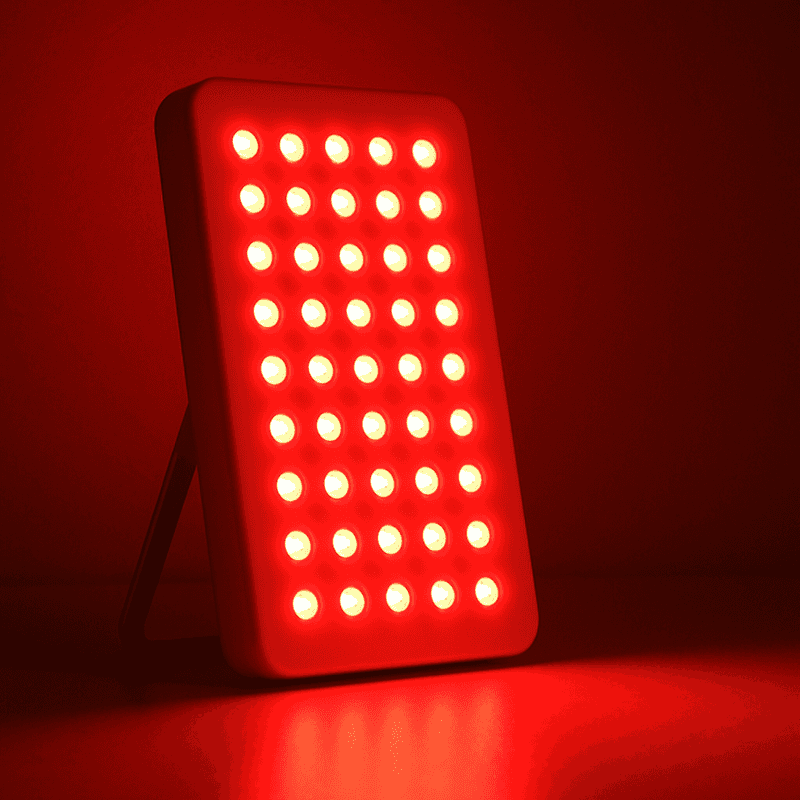
Red light therapy’s versatility is impressive. It’s widely used for skin rejuvenation and anti-aging purposes. Additionally, it helps in reducing inflammation and managing pain.
The flexibility of red light therapy devices boosts its accessibility. Many users appreciate the convenience of at-home treatments. These treatments are easy to integrate into daily routines.
In summary, red light therapy is more than just a trend. It offers a promising, evidence-based approach to enhancing health and wellness. Ongoing research continues to reveal new potential applications and benefits, making it a growing field of interest.
The Science Behind Red Light Therapy: How Does It Work?
Red light therapy operates at the cellular level. It penetrates the skin to reach cells beneath the surface. The interaction with cellular structures is vital to its effectiveness.
When red light reaches the mitochondria, the cell's powerhouse, it enhances energy production. This boost in energy aids in cellular repair and regeneration. It's akin to fueling a car to drive further and faster.
A key component in this process is ATP (adenosine triphosphate). Red light exposure is known to increase ATP production. This helps cells perform optimally.
Here’s how red light therapy impacts the body:
- Stimulates Mitochondria: Enhances energy production.
- Promotes Healing: Speeds up recovery in damaged tissues.
- Reduces Inflammation: Alleviates inflammation at cellular sites.
- Boosts Circulation: Improves blood flow to affected areas.
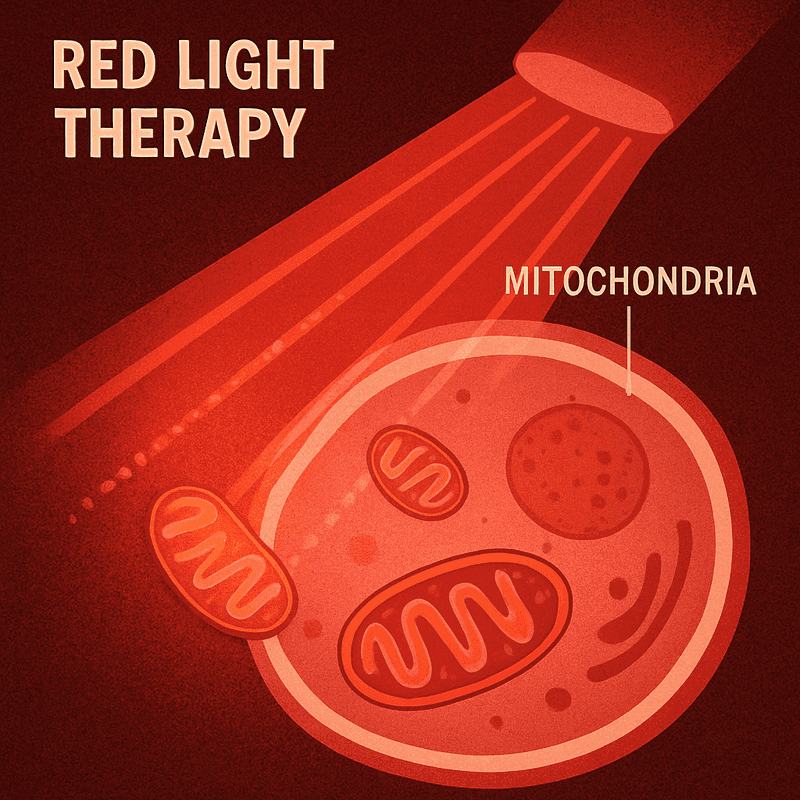
Cellular rejuvenation is one significant outcome. Enhanced cellular energy can lead to faster wound healing and improved skin appearance. This makes RLT appealing for both therapeutic and cosmetic uses.
Another mechanism involves the reduction of oxidative stress. By mitigating free radical damage, red light therapy supports overall cellular health. This process can improve various conditions tied to oxidative stress.
RLT’s biochemical effects extend to inflammation. It has been shown to reduce inflammatory markers. This can provide relief for chronic pain conditions, such as arthritis and muscle injuries.
Furthermore, the therapy supports enhanced circulation. Better blood flow ensures that oxygen and nutrients efficiently reach cells. This is crucial for healing and recovering after injury or exertion.
In essence, the science of red light therapy is both simple and profound. It harnesses the natural power of light to boost our body's inherent healing processes. As research expands, we uncover more about its capabilities, promising a future rich with potential applications.
Biohacker Pro-Tip: Optimize Session Timing
For maximum cellular ATP response, perform red light sessions in the morning. Cleanse your skin thoroughly beforehand—any heavy creams, makeup, or sunscreens will block or scatter the light wavelengths.
Proven Benefits: What Is Red Light Therapy Good For?
Red light therapy boasts an impressive range of benefits. It’s a versatile treatment used in various wellness and medical contexts. The applications are backed by science and user experiences alike.
One prominent benefit is skin rejuvenation. Red light therapy is known to improve skin texture and firmness. It achieves this by boosting collagen production, which is crucial for healthy, elastic skin.
Pain relief is another significant application. Many users report relief from chronic pain conditions through consistent use. This includes conditions such as arthritis and muscle soreness, where inflammation is reduced.
Athletes have found red light therapy to aid muscle recovery. The therapy can enhance performance by accelerating muscle healing. It's a non-invasive option that supplements rigorous training routines.
Let's delve into specific applications of red light therapy:
- Skin Health: Enhances skin tone, reduces wrinkles, and treats acne.
- Pain Management: Alleviates joint and muscle pain.
- Wound Healing: Speeds up recovery from cuts and bruises.
- Mental Health: Potentially reduces symptoms of depression.
- Inflammation Reduction: Lowers inflammation markers in the body.

For mental health, preliminary studies suggest it might reduce symptoms of depression. It’s thought to positively influence mood and cognitive function. This offers a potential avenue for holistic mental wellness support.
Inflammation is a common underlying issue in many ailments. Red light therapy targets this effectively, helping various inflammatory conditions. This property makes it appealing for anyone looking to reduce inflammation naturally.
Furthermore, the therapy shows promise in promoting hair growth. Some users have experienced thicker, healthier hair as a result. This has sparked interest in red light therapy for cosmetic purposes.
Overall, the benefits of red light therapy are numerous and varied. They extend from improving physical health to enhancing mental wellbeing. As research continues, the list of conditions it may benefit is likely to expand.
Common Myths and Misconceptions About Red Light Therapy
Despite growing evidence of its effectiveness, red light therapy (RLT) is surrounded by myths. Understanding these misconceptions helps in making informed decisions about its use.
One pervasive myth is that RLT can cure all diseases. While it offers various health benefits, it is not a miracle cure. It should be part of a broader health regimen, not a standalone solution.
Another common misconception is about immediate results. Many expect quick fixes after a single session. In reality, consistency over time is often required to see significant improvements.
Some believe red light therapy devices are the same. However, they vary in quality and effectiveness. The wavelength and intensity of the light are critical factors that influence outcomes.
Here is a list of common misconceptions about red light therapy:
| Myth / Misconception | Scientific Reality | Actionable Protocol |
|---|---|---|
| Cure-All Miracle Treatment | It is not a magic cure; it modulates mitochondrial activity to support natural healing. | Integrate RLT as a tool in a holistic wellness/sleep/nutrition protocol. |
| Instant Overnight Results | Biological changes require structural adaptation. Visible improvements take 4-12 weeks. | Commit to 3-5 sessions per week for a minimum of 8 weeks. |
| All Light Devices Are Equal | Wavelength (660nm/850nm) and power density (irradiance) completely dictate efficacy. | Only buy third-party verified panels with detailed irradiance specifications. |
| No Scientific Foundation | There are thousands of peer-reviewed clinical studies proving RLT efficacy in cells. | Verify claims via clinical databases like PubMed and clinicaltrials.gov. |
| More Usage Equals Better Results | Biphasic dose-response: too much light negates benefits and can cause cellular fatigue. | Limit daily target sessions to 10-20 minutes maximum per target area. |
Misunderstandings also arise about the safety of red light therapy. While generally safe, it’s essential to follow usage instructions closely. Overuse can lead to diminished returns and possible side effects.
Many dismiss red light therapy as a fad without scientific backing. However, substantial research supports its effectiveness for multiple applications. This makes it a valuable tool in the wellness arsenal.
Separating fact from fiction is crucial when considering RLT. Understanding the real benefits, limitations, and usage ensures safer and more effective application. As awareness grows, dispelling myths becomes easier.
Red Light Therapy Mat & Panels: Choosing Your Device
Red light therapy devices come in various shapes and sizes, tailored to different user needs. From small handheld gadgets to large panels, there’s a device for every preference and purpose.
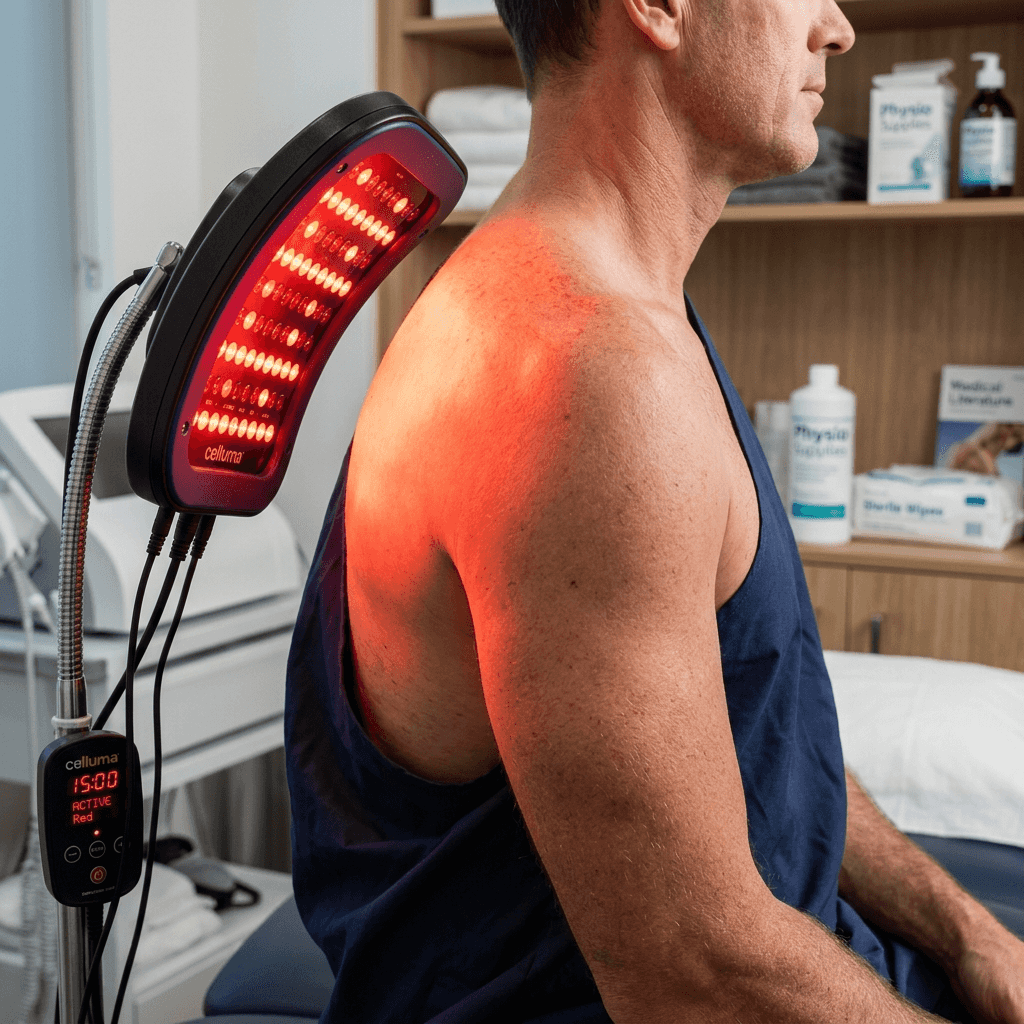
When selecting a device, consider your specific health goals. Handheld devices are great for targeting small, specific areas, while panels are better suited for comprehensive, full-body treatments.
Device features can vary greatly, affecting their usability and results. Some have adjustable settings, allowing you to customize the intensity and duration of exposure. This flexibility can enhance your therapy’s effectiveness.
The following are types of red light therapy devices commonly available:
- Handheld Devices: Portable and perfect for focused treatment on localized areas.
- Panels: Offer broad coverage, ideal for full-body exposure.
- Masks: Designed for the face, targeting skin rejuvenation and anti-aging effects.
- Wands: Slim and easy to maneuver, suitable for hard-to-reach places.
When choosing a device, evaluate these key features:
- Wavelength: The right wavelength is crucial for targeting specific conditions effectively.
- Intensity Levels: Adjustable settings allow for tailored treatment sessions.
- Ease of Use: User-friendly interfaces enhance the experience, especially for beginners.
- Price and Quality: Higher-priced devices may offer advanced features and better durability.
It’s essential to research device efficacy before purchase. Look for user reviews and scientific backing to ensure your chosen product meets safety and effectiveness standards.
Manufacturers often provide guidelines on use frequency and duration. These instructions help ensure the safe and effective use of the device. Following these is critical for achieving desired outcomes without overuse.
Selecting the right device can profoundly affect your red light therapy experience. Careful consideration of your needs and the device's characteristics will lead to more satisfying results. Remember, the best device is one that matches your specific health goals and lifestyle.
by YEH CHE WEI (https://unsplash.com/@yeh_che_wei)
How to Use Red Light Therapy Safely and Effectively
Using red light therapy safely begins with understanding the device you own. Each device has specific instructions, which should be read and followed diligently. This ensures both effectiveness and safety.
Start with shorter sessions to see how your body responds. Gradually increase the duration as advised by the manufacturer. This helps minimize potential side effects and allows your skin to adapt.
Ensure the device is positioned at the recommended distance from your body. Distance affects the intensity of the light, influencing its effectiveness and safety. Adjust based on your comfort and device guidelines.
Consider these steps for a successful red light therapy session:
- Set Up in a Quiet Space: Ensure minimal distractions to focus on the therapy.
- Cleanse the Skin: Remove makeup and dirt to allow optimal light penetration.
- Wear Protective Eyewear: Eye protection is essential to prevent retinal damage.
- Follow Manufacturer Recommendations: Adhering to guidelines ensures safety and efficacy.
Consistency is key in achieving desired results. Regular sessions, as per your device’s protocol, maximize the potential benefits of red light therapy. Track your progress to evaluate what works best.
by Krzysztof Hepner (https://unsplash.com/@nsx_2000)
Biohacker Pro-Tip: Eyewear and Distance
Always wear appropriate black-out or high-density protective goggles during high-intensity panel sessions. Position yourself exactly 6 to 12 inches away to receive the optimal target irradiance without thermal stress.
If you experience discomfort or adverse effects, reduce the session length or consult a healthcare professional. Some skin types may require modified exposure levels.
Ultimately, being well-informed and cautious can enhance your red light therapy experience. Practice patience and maintain routine to witness improved health outcomes.
Red Light Therapy Panels vs. Other Devices: Pros and Cons
Red light therapy devices come in various forms. Panels are popular for their broad coverage, making them ideal for full-body treatments. Other options include handheld devices and masks, which cater to targeted therapy.
Panels offer several advantages. They cover larger skin areas simultaneously, saving time. This efficiency makes panels suitable for those looking to incorporate therapy into busy schedules. However, panels can be bulky and require more setup space.
In contrast, handheld devices and masks are portable and easy to use. They are perfect for specific treatment areas like the face or joints. Despite their portability, these devices might not deliver the same intensity or coverage as panels, which could affect results over larger areas.
| Device Category | Key Features & Pros | Targeted Use Case |
|---|---|---|
| Full-Body Panels | Broad coverage, high intensity/irradiance, saves time by treating large areas. | Larger muscle groups, sleep regulation, systemic inflammation. |
| Handheld Devices & Wands | Highly portable, lightweight, easy on-the-go convenience. | Focused joint pain spot treatments, minor skin cuts. |
| Facial Masks & Contours | Hands-free design specifically optimized for anti-aging and facial rejuvenation. | Targeted skincare, wrinkles, and acne treatments. |
When choosing a device, consider the following factors:
- Treatment Area Size: Larger areas benefit from panels; targeted areas from handheld devices.
- Portability Needs: Handheld devices offer on-the-go convenience.
- Intensity Levels: Ensure the device meets your therapeutic needs.
Cost is another consideration. Panels may have a higher upfront price compared to smaller devices. However, they offer more value for full-body enthusiasts.
Ultimately, the best choice depends on individual needs, lifestyle, and therapy goals. By weighing the pros and cons, one can select a suitable device that matches their red light therapy requirements.
Is Red Light Therapy Safe? Risks, Side Effects, and Precautions
Red light therapy is generally considered safe. Most users experience few, if any, side effects. It's non-invasive, which minimizes risks compared to surgical procedures.
However, like any treatment, it is not without potential drawbacks. Some users report temporary skin redness or irritation. These effects are usually mild and resolve quickly. It's important to use devices as directed to avoid overexposure.
When using red light therapy, consider the following precautions:
- Avoid Eye Exposure: Protect your eyes with goggles, especially if treating facial areas.
- Consult Healthcare Providers: Seek advice if you have medical conditions or are pregnant.
- Follow Manufacturer's Instructions: Adhere to recommended session durations and frequency.
- Start Slow: Begin with shorter sessions to gauge your skin's response.
These safety measures can enhance your red light therapy experience. While the technology is advancing, it's crucial to stay informed about new research. Understanding the product specifications and appropriate usage helps mitigate potential side effects.
By taking these precautions, users can safely enjoy the potential benefits red light therapy offers. It's about finding the right balance for a safe and effective therapy routine tailored to individual needs.
Red Light Therapy in 2026: Trends, Research, and Future Directions
As we look toward 2026, red light therapy is expected to evolve significantly. Innovations in technology will likely enhance its accessibility and effectiveness. Manufacturers are continually exploring ways to improve device design and functionality.
Current trends suggest a growing interest in personalized therapy. Tailoring treatments to individual health conditions and goals may become more prevalent. This customization can enhance user satisfaction and outcomes.
Future research is set to focus on expanding the known applications of red light therapy. Scientists are particularly interested in its potential for mental health benefits and cognitive improvements. Ongoing studies will further clarify its role in these areas.
The integration of red light therapy into mainstream healthcare could transform treatment landscapes. Increased acceptance and understanding among healthcare professionals may lead to more widespread adoption. It could become a staple in both clinical settings and homes.
Expectations for 2026 include exciting technological advancements:
- Improved Device Efficiency: More effective wavelengths and power settings.
- Cost-Effective Solutions: Affordable devices without compromising quality.
- Wireless Models: Increasing convenience for everyday users.
- Enhanced Safety: Better user-friendly features and guidelines.
In summary, the future of red light therapy is full of promise. The ongoing research and innovation signal a bright future, with potential benefits spanning both physical and mental health. As new data emerges, it will solidify red light therapy's position as a viable and respected therapeutic option.
Frequently Asked Questions About Red Light Therapy
Many people have questions about red light therapy, and for good reason. As its popularity increases, so does curiosity about its use and effects. Here, we address some of the most common inquiries.
How Does Red Light Therapy Work?
Red light therapy works by penetrating the skin and stimulating cellular function. This process can promote healing and reduce inflammation in targeted areas.
Is Red Light Therapy Safe?
When used correctly, red light therapy is generally safe. Users should follow guidelines provided with devices to minimize any potential risks or side effects.
What Conditions Can It Help?
Red light therapy is helpful for various conditions, including skin issues, pain management, and muscle recovery. It’s also been explored for mental health benefits.
How Long Do Sessions Typically Last?
Session duration varies by device and treatment type. Typically, sessions range from 10 to 20 minutes. Consistency is key to achieving desired results.
Do I Need Special Equipment?
There are numerous devices available, from small handheld gadgets to full-body panels. Choose based on your intended use and personal needs.
Can It Be Used With Other Treatments?
Yes, red light therapy often complements other treatments. It can enhance the effects of skincare routines or medical therapies when integrated properly.
List of Common Questions:
- Can red light therapy help with weight loss?
- How often should sessions occur?
- Are there side effects to be aware of?
Knowing these details can assist you in making informed decisions. As always, consult healthcare professionals for advice tailored to personal conditions and goals.
Integrating a full-body red light therapy mat into your daily routine is an efficient way to stimulate cellular rejuvenation. Operating at 660nm (red) and 850nm (near-infrared) wavelengths, these mats deliver light energy directly through your skin to stimulate cytochrome c oxidase in mitochondria, supporting ATP synthesis, blood circulation, and muscle recovery.
Conclusion: Maximizing Your Red Light Therapy Mat Protocol
Red light therapy has garnered significant attention in recent years. It offers promising benefits, grounded in science, such as enhancing skin health and reducing inflammation. However, it's crucial to approach red light therapy with a balanced perspective.
While the evidence supports many uses of red light therapy, not every claim is backed by research. Consumers should remain cautious of exaggerated benefits and should seek information from credible sources. Understanding the true capabilities and limitations of red light therapy can prevent disappointment and promote informed decisions.
Future research will continue to clarify its potential applications. By staying informed, users can separate fact from fiction and make choices that best support their health and wellness journeys. Ultimately, informed use of red light therapy can lead to safe and effective results.
Peer-Reviewed Clinical Validations & Extended Deeper Reading:
- Mitochondrial Photostimulation: Karu, T. (2008). "Mitochondrial signaling in mammalian cells after irradiation with red and near-infrared light". Photomedicine and Laser Surgery. Explores ATP upregulation and cytochrome c oxidase activity. Leer el estudio Clínico
- Dermatological Rejuvenation: Wunsch, A., & Matuschka, K. (2014). "A controlled trial to determine the efficacy of red and near-infrared light treatment in patient satisfaction, reduction of fine lines, wrinkles, skin roughness, and intradermal collagen density increase". Photomedicine and Laser Surgery. Demonstrates significant collagen synthesis and skin quality improvements. Leer el estudio Clínico
- Muscular Recovery & Athletic Performance: Ferraresi, C., et al. (2012). "Effects of light-emitting diode therapy (LEDT) on muscle recovery: a systematic review". Lasers in Medical Science. Details recovery speed and reduced oxidative stress in athletes. Leer el estudio Clínico
- Anti-Inflammatory Modulation: Hamblin, M. R. (2017). "Mechanisms and mitochondrial redox signaling in photobiomodulation". Journal of Biophotonics. Broad-spectrum review on inflammation pathways and pain alleviation. Leer el estudio Clínico