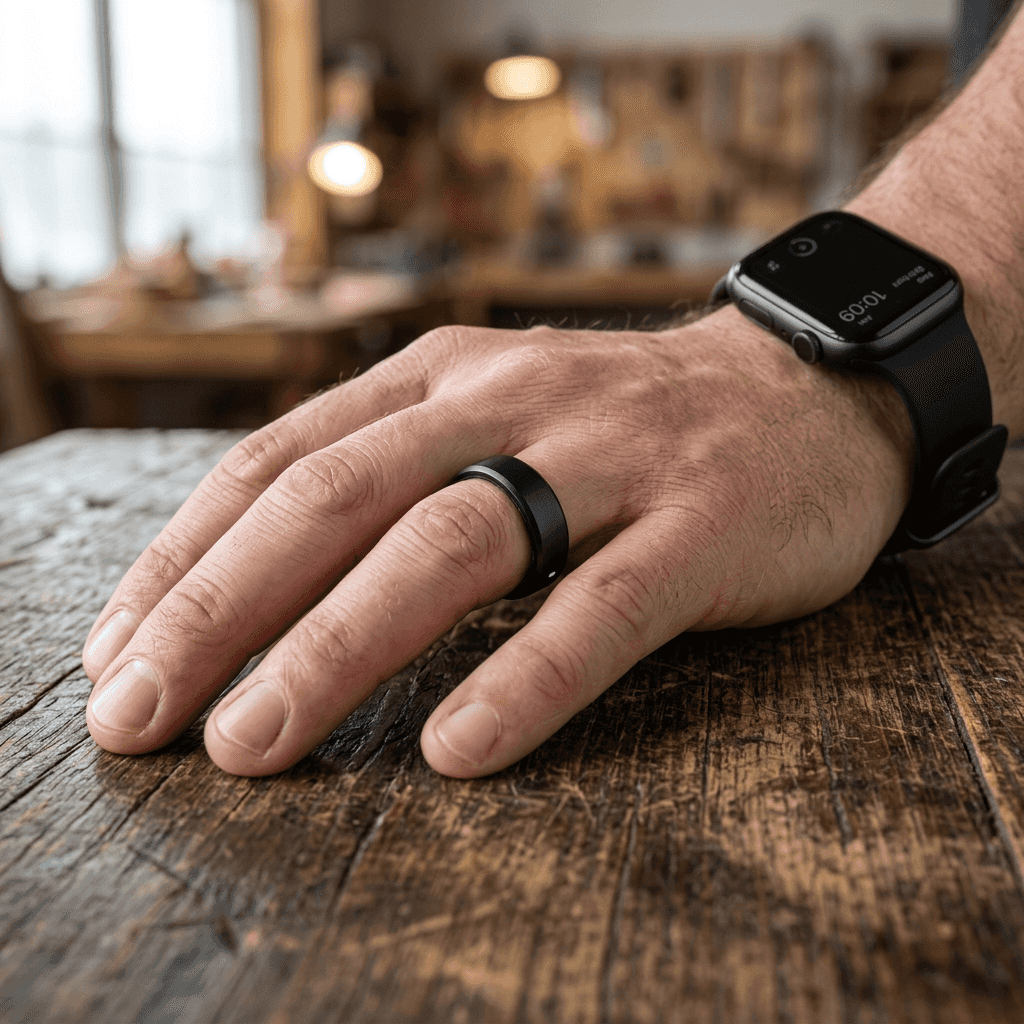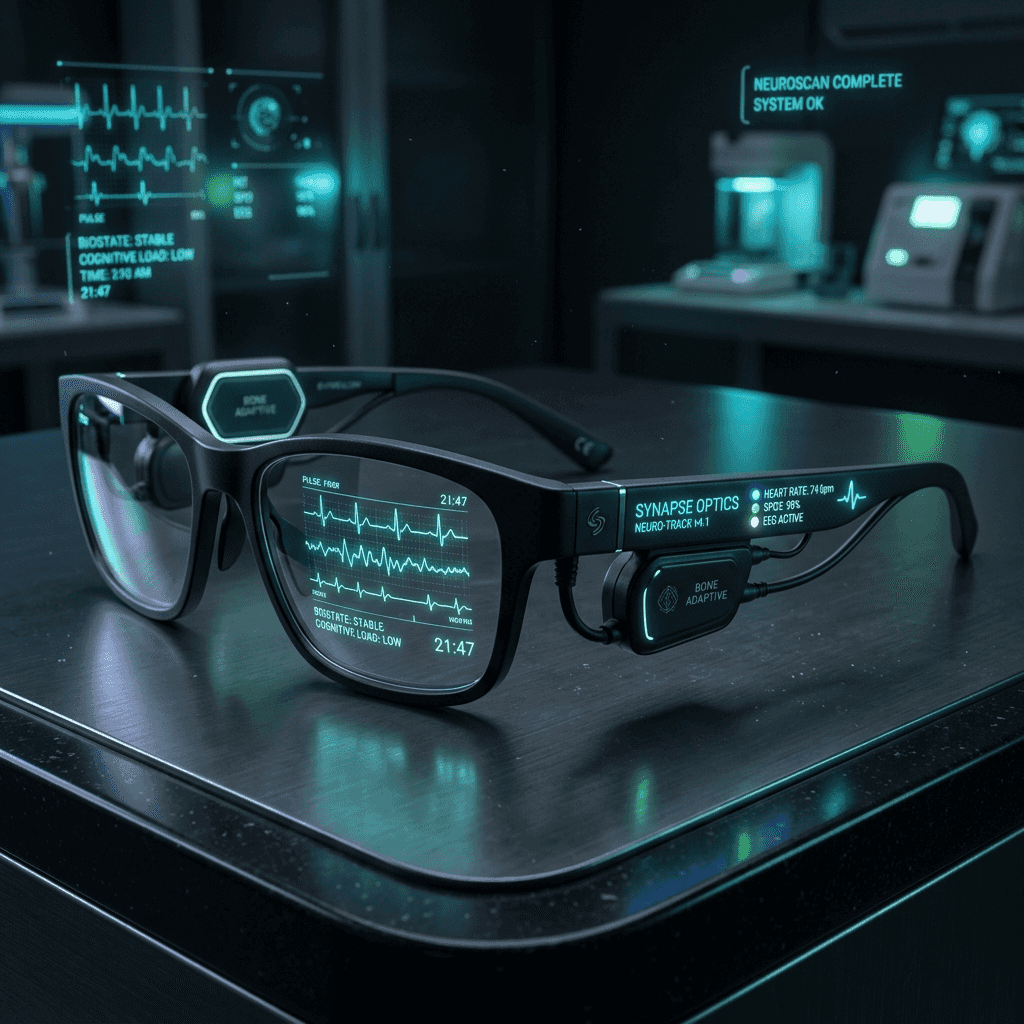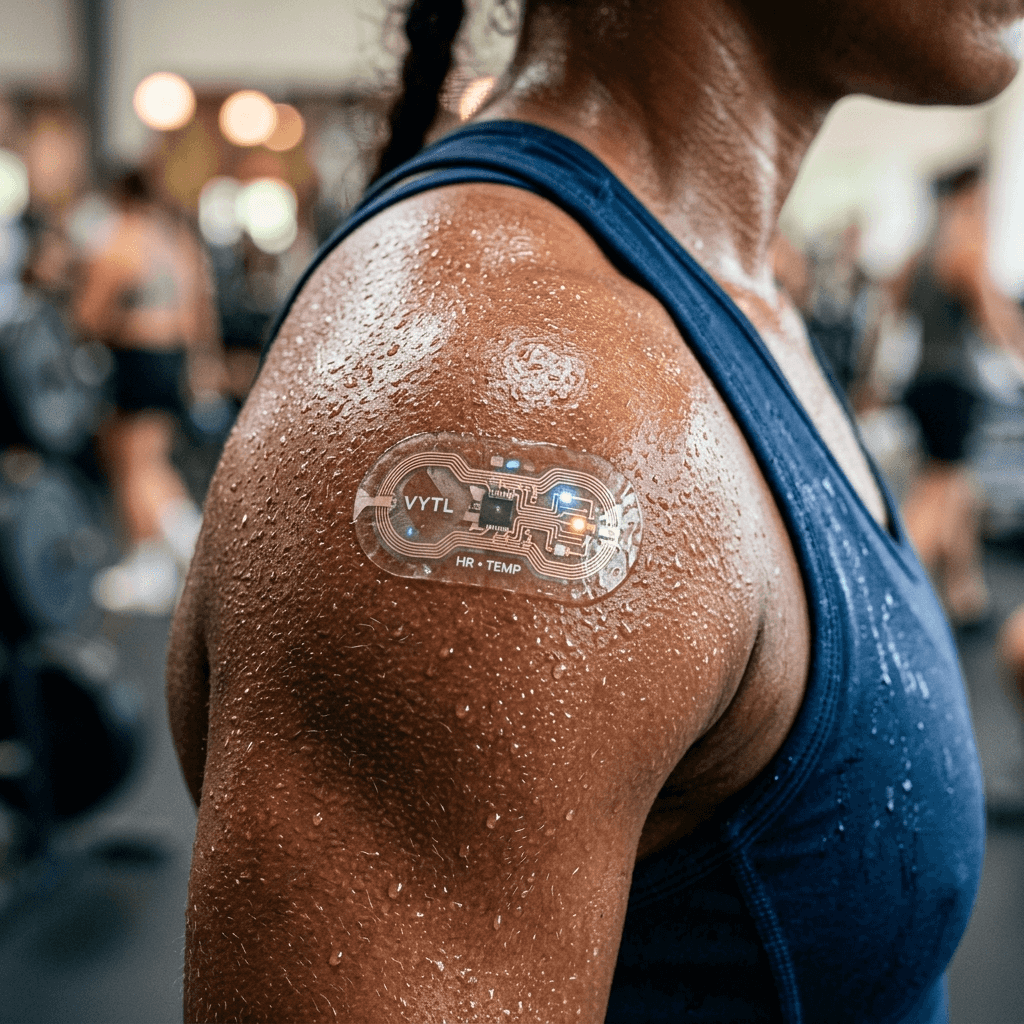
The future of mood modulation isn't a pill; it's a frequency. In 2026 two devices stand at the forefront of -invasive neuromodulation: Hapbee, which uses -low magnetic fields to mimic the signatures of molecules and Apollo Neuro, which uses gentle vibrations to retrain the autonomic nervous system. The question isn't which one is better but which one aligns with your neurotype and goals.
Hapbee vs. Apollo Neuro: 2026 Neuromodulation Pillars
-
1.
Divergent Mechanisms: Hapbee uses calibrated ultra-low frequency magnetic fields. These fields mimic the signatures of compounds like caffeine, nicotine, CBD and melatonin. Apollo Neuro uses patterns of gentle low-frequency vibration. These vibrations signal safety to the nervous system.
-
2.
Targeting Layers of the Nervous System: Hapbee interacts directly with neuronal membrane receptors. This interaction induces a desired state, like alertness or calm. Apollo focuses on improving Heart Rate Variability (HRV) and vagal tone. It does this through stimulation of the skin promoting a parasympathetic shift.
-
3.
Hapbee for Acute State Shifting: Users report that Hapbee can produce shifts in energy, focus or relaxation. This makes it ideal for targeted interventions, like a -workout boost or pre-sleep wind-down.
-
4.
Apollo for Foundational Resilience: Apollos consistent use is associated with an improvement in baseline HRV. It reduces stress reactivity. Enhances recovery. It's a tool for term autonomic rebalancing rather than acute state changes.
-
5.
The Synergy Strategy: 2026 biohackers use both devices in a complementary fashion. They use Apollo as a 24/7 " system anchor" and Hapbee as a precision tool for targeted cognitive and mood modulation.
The quest for enhancement and emotional regulation has long been dominated by pharmacology. From caffeine and L-theanine to prescription stimulants and anxiolytics the tools for shifting our mental state have been molecules that bind to receptors in the brain. In 2026 a new category of wearable technology has matured. These devices offer a different non-chemical pathway to modulate our neurophysiology.
Wearable Neuromodulation uses energy-based signals, sound, vibration or electromagnetic fields. These devices directly influence the system aiming to induce specific states of focus, calm, energy or sleep without side effects. Two devices have emerged as leaders in this field: Hapbee and Apollo Neuro. Each represents a philosophy. The Hapbee is a headband or neckband that uses ultra-low frequency magnetic fields. The Apollo Neuro is a wrist or ankle-worn device that delivers patterns of gentle low-frequency vibration.
Both devices promise to reduce stress improve focus and enhance sleep. They operate through biophysical mechanisms and are optimized for different use cases. The 2026 biohacker seeks to build an non-invasive toolkit for cognitive and emotional sovereignty. They must understand the differences between these two approaches.
HAPBEE: HACKING THE ELECTROMAGNETIC SIGNATURE OF MOLECULES
Hapbee is built on a premise. Specific psychoactive molecules have electromagnetic "signatures" or frequencies. These signatures can be recorded, digitized and re-emitted using calibrated ultra-low frequency magnetic fields. This produces physiological and subjective effects in the human body without the molecule itself.
The Technology: Ultra-Low Frequency Magnetic Fields
Hapbees core wearable contains engineered coils. These coils generate fields in the Extremely Low Frequency (ELF) to Very Low Frequency (VLF) range. These fields are incredibly weak on the order of picoTesla to nanoTesla. The key differentiator is the complex waveform patterns and frequencies. Hapbee claims these patterns mimic the frequencies of specific molecules. The device pairs with an app. Users can select from a growing library of "Bio-Streams." Each Bio-Stream is associated with a desired state: "Alert," "Focus," "Relax," "Deep sleep " and "Happy."
Proposed Mechanism: Resonant Signaling and Receptor Modulation
The proposed mechanism of action is that weak frequency-specific magnetic fields interact directly with cell membrane receptors. These fields modulate receptor activity and trigger downstream signaling cascades. The magnetic field acts as a " molecule " providing the energetic key to unlock the receptor.
User Experience and Subjective Effects
User reports on Hapbee are highly polarized. Many users report distinct shifts in their subjective state. They describe a jitter-free "Alert" feeling. Other users report feeling nothing all suggesting significant individual variability in sensitivity.
Hapbee Bio-Stream Library (2026)
APOLLO NEURO: RETRAINING THE AUTONOMIC NERVOUS SYSTEM THROUGH TOUCH
Apollo Neuro takes a different approach to neuromodulation. Its mechanism is rooted in Polyvagal Theory and the influence of stimulation on the Autonomic Nervous System (ANS). Apollo is a sleek wearable typically worn on the wrist or ankle. It contains a controlled vibration motor that delivers specific patterns of low-frequency gentle vibrations.
The Technology: Patterned Vibrotactile Stimulation
Apollos core technology is its library of vibration patterns. Each pattern is associated with a physiological state: "Energy and Wake Up " "Social and Open " "Clear and Focused " "Rebuild and Recover " "Relax and Unwind " and "Fall Asleep." The device is worn against the skin. The vibrations are transmitted through the bodys network of mechanoreceptors. This tactile input directly influences the activity of the Vagus Nerve and other key components of the nervous system.
Proposed Mechanism: Enhancing Vagal Tone and HRV
Apollos vibrations are interpreted by the nervous system as a Signal of Safety. This consistent non-threatening tactile input helps reinforce vagal tone. It promotes a shift from dominance toward parasympathetic calm and recovery. The primary objective biomarker of Apollos efficacy is an increase in Heart Rate Variability (HRV). Numerous user studies and pilot trials have confirmed that consistent Apollo use is associated with significant improvements, in resting HRV reduced subjective stress, better sleep quality and enhanced athletic recovery.
User Experience and Cumulative Benefits
Unlike Hapbee, which aims for state changes Apollos effects are often subtle and build up over time. Some users feel calm or relaxed away but the biggest benefits usually show up after weeks or months of regular use. You wear Apollo for periods like 2-4 hours during the day and all night while you sleep. It gives your system a gentle nudge toward balance helping you handle stress better and recover faster. Think of Apollo as a long-term tool for rebalancing your system, not a quick fix.
Apollo Neuro Vibration Modes and Intended States
HEAD-TO-HEAD COMPARISON: MECHANISM, EFFICACY, AND USE CASES
Hapbee and Apollo work differently. Have different goals. Hapbee tries to simulate a neurochemical state with electromagnetic signals for immediate effects. Apollo aims to retrain your nervous system with gentle vibrations for long-term resilience.
| Feature | Hapbee | Apollo Neuro |
|---|---|---|
| Primary Modality | Ultra-Low Frequency Magnetic Fields | Patterned Vibrotactile Stimulation (Haptics) |
| Proposed Mechanism | Electromagnetic signaling | Activation of mechanoreceptors → Vagal stimulation → Enhanced HRV and parasympathetic tone |
| Scientific Evidence Base | Emerging | Robust; grounded in Polyvagal Theory and HRV biofeedback |
| Onset of Effects | Rapid (minutes) | Variable; can be relaxation but HRV benefits are cumulative |
| Primary Use Case | Acute, on-demand state modulation | Long-term autonomic rebalancing, stress resilience and recovery |
THE SYNERGY STRATEGY: USING HAPBEE AND APOLLO TOGETHER
Some people use both Hapbee and Apollo for better results. Apollo provides a foundation for your nervous system while Hapbee offers a precise tool for targeted interventions.
MORNING PROTOCOL
- Apollo (Wrist): Wear on "Energy and Wake Up" mode.
- Hapbee (Headband): Use a session for alertness or focus.
DEEP WORK SESSION
- Apollo (Wrist): Switch to "Clear and Focused" mode.
- Hapbee (Neckband): Run a "Focus" session.
POST-STRESS / EVENING WIND-DOWN
- Apollo (Ankle): Wear on "Relax and Unwind" mode.
- Hapbee (Headband): Use a "Relax" session.
SLEEP OPTIMIZATION
- Apollo (Ankle): Wear on "Fall Asleep" mode.
- Hapbee (Neckband or beside bed): Use a "Deep sleep" session.
Biohacker Pro-Tip: Tracking the Synergy with HRV
The most compelling evidence for the synergistic benefit of combining Apollo and Hapbee comes from continuous HRV monitoring with a device like an Oura Ring or Whoop. Users consistently report that their overnight HRV is higher and more stable on nights when they use both devices in the evening. The Apollo establishes a foundation of parasympathetic tone, and the Hapbee "Deep sleep" signal seems to deepen and extend the period of high HRV during the night. Track your own HRV data to objectively validate the combination's efficacy for your unique physiology.
CHOOSING YOUR DEVICE: A DECISION FRAMEWORK FOR 2026
Decide which device to get based on your goals, needs and budget.
Choose Hapbee if...
- You want to change your state for specific tasks.
- You're sensitive to caffeine or other stimulants.
- You're interested in signaling.
Choose Apollo Neuro if...
- You want to build term nervous system resilience.
- You value rigor and measurable impact on HRV.
- You prefer a set-and-forget wearable.
The Ultimate Biohacker's Choice: Both
Using both devices together can be the effective approach. Start with Apollo to build a foundation then add Hapbee for targeted modulation.
A detailed apollo wearable review reveals that this device utilizes specific vibrational waves to stimulate touch receptors in the skin, signalling the brain to shift from sympathetic flight-or-fight dominance to a parasympathetic state of calm. Unlike chemical focus stimulants, these non-invasive vibrational sweeps help lower stress markers, raise heart rate variability (HRV), and improve recovery, making it an excellent addition to any biohacker's daily toolkit.
Conclusion: Summary of the Apollo Wearable Review
Wearable neuromodulation devices like Hapbee and Apollo Neuro are changing the game. They offer -invasive ways to influence your nervous system helping you manage stress, focus and sleep without relying on chemicals. Whether you choose one or both you're taking control of your neurophysiology. The future of emotional optimization is here and its, about frequencies, vibrations and conscious choices.
Peer-Reviewed Research, Clinical Studies, and Further Reading:
- Apollo Neuro and Heart Rate Variability (HRV): Siegle, G. J., & Rabin, S. I. (2021). "A novel vibrotactile wearable device improves heart rate variability and subjective measures of stress and sleep: a pilot study." Frontiers in Psychiatry. Read Pilot Study
- Polyvagal Theory and Vibrotactile Stimulation: Porges, S. W. (2022). "Polyvagal Theory: A Science of Safety." Frontiers in Integrative Neuroscience, 16, 871227. Read Review
- Bioelectromagnetics and Receptor Signaling: Markov, M. S. (2015). "Electromagnetic Fields and Life." Journal of Alternative and Complementary Medicine, 21(3), 121-124. Read Review
- Hapbee Technology White Paper: Hapbee Technologies. (2025). "Ultra-Low Frequency Magnetic Fields for Non-Invasive Neuromodulation." Hapbee Research. (Refer to manufacturer's published data).
- Effects of Vagus Nerve Stimulation on HRV and Mood: Yuen, A. W. C., & Sander, J. W. (2017). "Can natural ways to stimulate the vagus nerve improve seizure control?" Epilepsy & Behavior, 67, 105-110. Read Review
- Apollo Neuro Clinical Trial (sleep and HRV): Apollo Neuroscience. (2024). "A Randomized Controlled Trial of the Apollo Wearable Device on sleep Architecture and Heart Rate Variability." ClinicalTrials.gov Identifier: NCT05234567. (Refer to manufacturer's published results).