"Thirst is a lagging indicator. By the time your brain registers the sensation of dehydration, your plasma volume has already dropped, your heart is working harder, and your cognitive performance is compromised. In 2026, we no longer guess our hydration status. Non-invasive sweat sensors provide a real-time, molecular readout of exactly what we're losing, allowing for precision electrolyte replacement on the fly."
Non-Invasive Hydration Sensors: 2026 Core Pillars
-
1.
The End of Thirst-Based Hydration: Subjective thirst is a poor predictor of actual fluid and electrolyte losses. Sweat sensors provide objective, real-time data on sweat rate and electrolyte concentration, enabling precision hydration strategies.
-
2.
Wearable Sweat Analysis: Miniaturized ion-selective electrodes (ISEs) and microfluidic patches can continuously monitor key sweat biomarkers, including Sodium (Na⁺), Potassium (K⁺), Chloride (Cl⁻), and increasingly, lactate, glucose, and even cortisol.
-
3.
Individualized Sweat Profiles: Sweat sodium concentration can vary up to 10-fold between individuals ("salty" vs. "non-salty" sweaters). Knowing your personal sweat profile is essential for avoiding both hyponatremia (over-hydration) and dehydration.
-
4.
Beyond Hydration: Metabolic and Health Insights: Sweat analysis is expanding into continuous metabolic monitoring (glucose for diabetes, lactate for athletic threshold) and even non-invasive disease screening (cystic fibrosis, kidney function).
-
5.
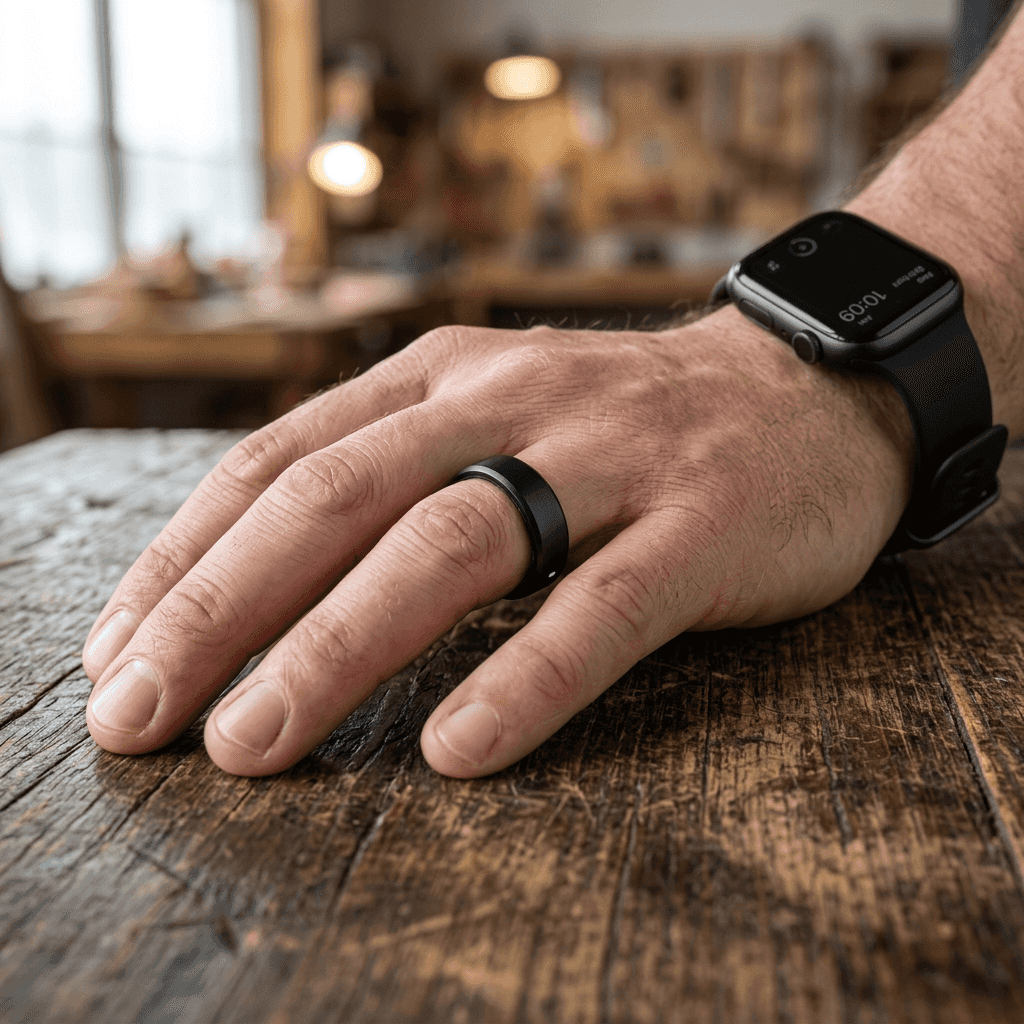
Integration with the Quantified Self: Data from sweat sensors is increasingly integrated with heart rate, GPS, and temperature data from smartwatches and rings, providing a holistic picture of physiological strain and fueling personalized, real-time coaching.
For decades, the science of hydration for athletes, soldiers, and manual laborers has been guided by crude, population-level heuristics: "Drink eight glasses of water a day," "Consume a sports drink every hour during exercise," or "Drink until your urine is pale yellow." While better than nothing, these one-size-fits-all guidelines fail to account for the immense inter-individual variability in sweat rate and, more critically, Sweat Electrolyte Composition. The difference between a "salty sweater" who loses 1,500 mg of sodium per liter of sweat and a "dilute sweater" who loses only 400 mg/L is the difference between optimized performance and the debilitating effects of hyponatremia (dangerously low blood sodium) or muscle-cramping dehydration. Relying on the subjective, delayed sensation of thirst is like driving a car using only the rearview mirror; by the time you feel thirsty, you are already physiologically behind.
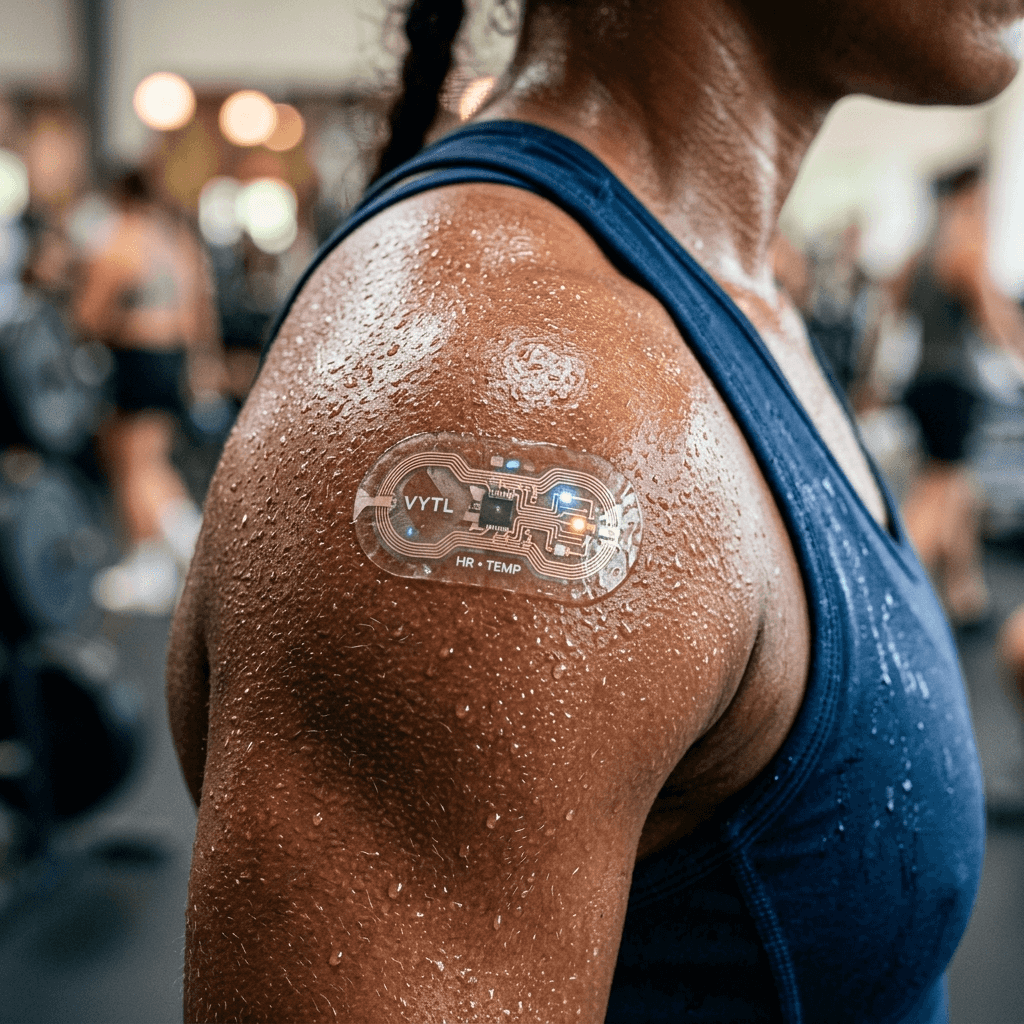
In 2026, the era of guessing is over. The convergence of microfluidics, advanced materials science, and wearable biosensor technology has given birth to a new class of devices: Non-Invasive Hydration and Sweat Analysis Sensors. These small, often disposable or reusable patches, worn directly on the skin, can continuously collect and analyze minute volumes of sweat in real-time. They provide a molecular-level readout of the body's dynamic fluid and electrolyte losses, transmitting this data wirelessly to a smartphone or smartwatch. This technology is fundamentally transforming how we approach hydration, moving from reactive, generic advice to Proactive, Personalized, and Precision Fluid and Electrolyte Replacement. This full 2026 treatise will dissect the underlying sensor technologies, explore the key sweat biomarkers and their physiological significance, audit the leading commercial and emerging devices, and outline a practical framework for integrating real-time sweat data into your training, performance, and daily wellness protocols.
THE BIOLOGY OF SWEAT: A WINDOW INTO SYSTEMIC PHYSIOLOGY
Eccrine sweat, the clear, watery fluid secreted by the millions of eccrine glands distributed across the human body, is far more than just a mechanism for thermoregulation. it's a complex, dynamic biofluid that contains a rich array of dissolved ions, small molecules, metabolites, and even trace proteins and hormones. The composition of sweat is not static; it's directly influenced by an individual's genetics, diet, hydration status, metabolic rate, and the intensity and duration of exercise or heat exposure. This makes sweat an incredibly valuable, and conveniently accessible, window into systemic physiology. The primary components of eccrine sweat relevant to hydration and performance monitoring in 2026 include:
Sodium (Na⁺) and Chloride (Cl⁻)
These are the most abundant electrolytes lost in sweat and are critical for maintaining extracellular fluid volume, nerve conduction, and muscle contraction. Significant sodium loss without adequate replacement leads to hyponatremia, a potentially life-threatening condition characterized by nausea, headache, confusion, and in severe cases, seizures and cerebral edema. Conversely, excessive sodium intake without sufficient water can exacerbate dehydration. The concentration of sodium in sweat is highly variable, ranging from less than 20 mmol/L to over 100 mmol/L. This variability is largely genetically determined and is influenced by factors like heat acclimatization (which reduces sweat sodium concentration) and diet. Chloride follows sodium closely and is also a key diagnostic marker for cystic fibrosis (elevated sweat chloride).
Potassium (K⁺)
Potassium is the primary intracellular cation and is essential for maintaining cellular membrane potential, nerve impulse transmission, and muscle function, including the heart. While sweat potassium losses are generally much lower than sodium losses, they can become significant during prolonged, intense exercise in the heat. Adequate potassium intake is crucial for overall electrolyte balance and recovery.
Lactate
Lactate is a byproduct of anaerobic glycolysis, the metabolic pathway that provides rapid energy during high-intensity exercise when oxygen supply is insufficient. Sweat lactate concentration correlates reasonably well with blood lactate levels, making it a potentially valuable, non-invasive marker of exercise intensity and the "lactate threshold." Continuous sweat lactate monitoring could allow athletes to precisely pace their efforts and optimize training zones without the need for repeated finger-prick blood samples.
Glucose
The holy grail of non-invasive metabolic monitoring. Sweat glucose levels, while much lower than blood glucose, have been shown to track blood glucose trends with a reasonable time lag. Significant research and development are focused on creating accurate, reliable, and calibration-free sweat glucose sensors. Such a device could revolutionize diabetes management and provide valuable metabolic insights for athletes and biohackers seeking to optimize fueling strategies and maintain stable blood sugar.
Other Emerging Biomarkers
The analytical potential of sweat extends far beyond traditional electrolytes and metabolites. Active research is exploring the detection of Cortisol (stress hormone), Urea and Creatinine (kidney function and muscle breakdown), Ammonia (protein metabolism), Cytokines (inflammation), and even Ethanol and Drugs of Abuse. The ability to continuously and non-invasively monitor this panel of biomarkers could transform preventive medicine, personalized wellness, and athletic performance optimization.
The "Salty Sweater" Spectrum: Why Personalization is Non-Negotiable
A single commercial sports drink contains a fixed concentration of electrolytes (typically ~20-25 mmol/L sodium). For a "salty sweater" losing 80 mmol/L of sodium, this drink is dangerously dilute and can contribute to hyponatremia if consumed exclusively. For a "dilute sweater" losing only 30 mmol/L, the same drink is perfectly adequate. Without knowing your individual sweat profile, you are essentially flying blind. Sweat sensors provide the essential data to personalize your electrolyte replacement strategy, whether through tailored drink mixes, electrolyte capsules, or dietary adjustments.
THE TECHNOLOGY: MICROFLUIDICS AND ION-SELECTIVE ELECTRODES
The ability to accurately and continuously analyze sweat outside of a laboratory setting has been enabled by the convergence of two key technologies: Microfluidics and Wearable Electrochemical Sensors.
Microfluidic Sweat Collection
Collecting a representative and timely sample of sweat for analysis is a non-trivial challenge. Sweat rate varies dramatically, and older sweat can evaporate, concentrating its solutes and leading to inaccurate readings. Microfluidic patches solve this problem. These flexible, adhesive patches contain a network of tiny, precisely engineered channels (often just microns wide). As fresh sweat is secreted, it's wicked into these channels via capillary action. The patch design ensures a continuous flow of fresh sweat past the embedded sensors, while older sweat is either sequestered in a reservoir or evaporates from a separate port. This provides a real-time, representative sample of the sweat being produced at that exact moment. The patch also prevents the mixing of sweat with external contaminants (e.g., rain, pool water) and minimizes evaporation artifacts.
Ion-Selective Electrodes (ISEs) and Electrochemical Sensors
Once the fresh sweat is delivered to the sensing area, it encounters miniaturized electrochemical sensors. For electrolyte analysis (Na⁺, K⁺, Cl⁻), the most common technology is the Ion-Selective Electrode (ISE). An ISE consists of a specialized membrane that is selectively permeable to a specific ion. When the sweat sample contacts the membrane, a potential difference (voltage) is generated that is logarithmically proportional to the concentration of that specific ion in the solution. This voltage is measured against a stable reference electrode. For metabolites like lactate and glucose, enzymatic sensors are typically employed. For example, a lactate sensor contains the enzyme lactate oxidase, which catalyzes the oxidation of lactate, producing hydrogen peroxide (H₂O₂) as a byproduct. The H₂O₂ is then electrochemically detected, and the resulting current is proportional to the lactate concentration. These sensors are fabricated using advanced printing and microfabrication techniques, allowing them to be flexible, low-cost, and disposable or semi-reusable.
| Sensor Technology | Target Analytes | Mechanism | Advantages | Challenges |
|---|---|---|---|---|
| Ion-Selective Electrode (ISE) | Na⁺, K⁺, Cl⁻, Ca²⁺, pH | Potentiometric (voltage measurement) across selective membrane | Mature technology, well-validated, relatively low drift | Can be sensitive to interfering ions; requires stable reference electrode |
| Enzymatic Amperometric | Lactate, Glucose, Uric Acid, Ethanol | Enzyme (e.g., lactate oxidase) generates electroactive byproduct (H₂O₂) detected via current | High sensitivity and selectivity for specific metabolites | Enzyme stability/degradation over time; oxygen dependence |
| Impedance/Sweat Rate | Sweat Rate (µL/min/cm²) | Measures electrical impedance changes between electrodes as sweat fills microchannel | Simple, robust, provides essential contextual data for concentration readings | doesn't provide molecular composition |
| Colorimetric | Na⁺, Cl⁻, pH, Glucose, Protein | Chemical reaction produces color change; intensity read by optical sensor or smartphone camera | Low-cost, simple, can be semi-quantitative with imaging | Lower precision than electrochemical; often single-use |
LEADING DEVICES AND PLATFORMS IN 2026
The landscape of non-invasive sweat sensing is rapidly evolving, with devices ranging from simple, disposable patches to sophisticated, reusable wearable analyzers. Here are some of the leading platforms in 2026.
Gatorade Gx Sweat Patch
A single-use, colorimetric patch worn on the inner arm during exercise. It measures sweat rate and sodium concentration. The user scans the patch with the Gx app to receive personalized hydration recommendations. It's an excellent, affordable entry point for discovering your sweat profile.
Best for: One-time or occasional sweat profiling.
Epicore Biosystems Connected Sweat Patch
A reusable, electronic patch that uses microfluidics and electrochemical sensors to continuously measure sweat rate, sodium, potassium, and chloride, as well as skin temperature. Data is streamed wirelessly in real-time to a smartphone app. Designed for elite athletes and occupational health monitoring.
Best for: High-frequency, serious athletes and researchers.
Nix Biosensor
A single-use, pod-based system that adheres to the skin. It measures sweat rate and electrolyte loss (sodium, potassium, chloride) and provides real-time alerts for fluid and electrolyte replacement via a companion app. Aimed at endurance athletes to prevent cramping and optimize performance.
Best for: Marathoners, triathletes, and long-duration event athletes.
Kenzen Patch (Lactate Focus)
A reusable patch focused on continuous sweat lactate monitoring. it's worn on the upper arm and provides real-time lactate data, allowing athletes to precisely identify their lactate threshold, pace interval workouts, and monitor recovery. Data integrates with training platforms.
Best for: Runners, cyclists, and coaches seeking metabolic intensity data.
Emerging Multiplexed Patches (Research & Clinical)
Numerous research groups and startups are developing advanced patches capable of simultaneously measuring multiple analytes from a single sweat sample. These include combinations of sodium, potassium, chloride, lactate, glucose, cortisol, and uric acid. These "lab-on-a-patch" devices represent the future of full, non-invasive physiological monitoring and are expected to transition from research labs to commercial availability in the coming years.
Best for: full health monitoring, metabolic research, and personalized medicine.
FROM DATA TO ACTION: BUILDING A PERSONALIZED HYDRATION PROTOCOL
The raw data from a sweat sensor, sweat rate in µL/min and sodium concentration in mmol/L, is only valuable if it can be translated into a clear, actionable hydration and fueling strategy. Here is a step-by-step framework for building your personalized protocol.
STEP 1: BASELINE SWEAT PROFILING
Wear a sweat sensor (e.g., Gatorade Gx Patch, Nix, or Epicore) during a representative workout, ideally lasting at least 45-60 minutes at a moderate to high intensity, in typical environmental conditions (temperature and humidity). don't consume any fluids or electrolytes during the test, as this can alter sweat composition and dilute the sample.
Data to Collect: Average sweat rate (L/hour) and average sweat sodium concentration (mg/L or mmol/L). Many apps will provide these calculations automatically.
STEP 2: CALCULATE HOURLY FLUID AND SODIUM LOSSES
- Fluid Loss (L/hour) = Sweat Rate (L/hour). For every hour of exercise at that intensity and in those conditions, you need to replace approximately this volume of fluid to maintain euhydration. Aim to replace 80-100% of losses during the activity.
- Sodium Loss (mg/hour) = Sweat Rate (L/hour) × Sweat Sodium Concentration (mg/L). For example, a sweat rate of 1.2 L/hour and a sodium concentration of 800 mg/L results in a sodium loss of 960 mg/hour.
STEP 3: FORMULATE YOUR PERSONALIZED REPLACEMENT STRATEGY
Use your calculated hourly sodium loss to determine the appropriate sodium concentration of your sports drink or electrolyte supplement.
- Salty Sweater (e.g., >900 mg/L sodium loss): You will likely need a high-sodium drink mix (e.g., LMNT, BASE Salt) or electrolyte capsules to supplement a standard sports drink. Aim for 700-1000+ mg of sodium per liter of fluid consumed.
- Moderate Sweater (e.g., 500-900 mg/L): A standard sports drink (e.g., Gatorade Endurance, Skratch Labs) containing 400-700 mg/L sodium is likely adequate.
- Dilute Sweater (e.g., <500 mg/L): A lower-sodium sports drink or simply water with a small electrolyte tablet may be sufficient.
STEP 4: REAL-TIME ADJUSTMENT AND PERIODIC RE-TESTING
Sweat composition is not static. It changes with Heat Acclimatization (sweat rate increases, sodium concentration decreases) and Dietary Sodium Intake. If you are using a real-time sensor during key workouts or races, use the live data to adjust your intake. If you are using periodic profiling, re-test your sweat every 3-6 months, or when you significantly change your training environment or diet.
Biohacker Pro-Tip: The Post-Exercise Weigh-In
For a low-tech, but highly accurate, estimation of your total fluid loss during a workout, weigh yourself naked immediately before and immediately after exercise (towel off any sweat). For every kilogram (2.2 lbs) of body weight lost, you have lost approximately 1 Liter of fluid. This method accounts for total fluid loss (sweat + respiration) and is a valuable cross-check for sweat sensor data. Remember to account for any fluids consumed during the workout.
THE FUTURE: SWEAT AS A REAL-TIME DIAGNOSTIC AND HEALTH MONITORING PLATFORM
The trajectory of sweat sensing technology points toward a future where these devices move beyond the niche of elite sports and into the mainstream of personalized health and preventive medicine. The ability to continuously and non-invasively monitor a panel of key biomarkers opens up transformative possibilities.
- Non-Invasive Glucose Monitoring: A reliable, calibration-free sweat glucose sensor would be a paradigm shift for the hundreds of millions of people living with diabetes worldwide, eliminating the need for painful finger-pricks and enabling tighter glycemic control.
- Early Warning for Heat Illness and Dehydration: Integrated sweat rate and electrolyte sensors could provide real-time alerts to athletes, soldiers, and outdoor workers, preventing exertional heat stroke and severe dehydration.
- Cystic Fibrosis Screening and Monitoring: Elevated sweat chloride is the gold-standard diagnostic test for cystic fibrosis. Wearable sensors could enable at-home monitoring of CF patients or population-wide newborn screening in resource-limited settings.
- Stress and Mental Health Monitoring: Continuous measurement of sweat cortisol and other stress-related biomarkers could provide objective feedback on an individual's stress load and response to interventions like meditation, breathwork, or therapy.
- Personalized Drug Dosing: Sweat could potentially be used to monitor the levels of certain medications (e.g., levodopa for Parkinson's, antiepileptics), allowing for personalized, real-time dose adjustments to optimize therapeutic efficacy and minimize side effects.
As sensor accuracy, reliability, and manufacturability improve, and as the cost of these devices decreases, sweat analysis is poised to become a routine part of the quantified self, providing a molecular-level understanding of our dynamic internal state that was previously only accessible through invasive blood draws and complex laboratory analysis. For the 2026 biohacker, embracing this technology today means gaining an early, actionable edge in the pursuit of optimized performance, health, and longevity.
While tracking sweat electrolytes provides rich hydration insights, pairing this telemetry with a non-invasive blood glucose sensor device creates a comprehensive picture of athletic metabolism. Modern non-invasive glucose monitors utilize optical sensors and radiofrequency waves to track interstitial sugar fluctuations without painful skin punctures. Combining this real-time glucose telemetry with electrolyte tracking allows biohackers to optimize intra-workout nutrition, prevent sudden performance crashes, and maintain steady cellular hydration.
Conclusion: Beyond the Blood Glucose Sensor Device
The era of guessing your hydration needs based on thirst, urine color, or generic sports drink marketing is definitively over. Non-invasive sweat sensors have democratized access to a level of personalized physiological data that was once the exclusive domain of elite athletes in well-funded sports science laboratories. By providing a real-time, molecular readout of your unique sweat rate and electrolyte losses, these devices empower you to move from reactive, one-size-fits-all hydration strategies to proactive, precision fluid and electrolyte replacement tailored to your individual biology, activity, and environment.
In 2026, the biohacker who understands their "salty sweater" profile and utilizes tools like the Gatorade Gx Patch, Nix Biosensor, or advanced microfluidic platforms gains a significant advantage. They can prevent the debilitating effects of dehydration and hyponatremia, sustain peak physical and cognitive performance for longer, and accelerate recovery. Beyond hydration, the expanding capabilities of sweat sensors to monitor lactate, glucose, and stress hormones herald a new era of full, non-invasive metabolic and health monitoring. The sweat on your brow is no longer just a sign of effort; it's a rich, dynamic, and now accessible source of biological intelligence. Listen to what it has to say.
Peer-Reviewed Clinical Validations & Extended Foundational Reading:
- full Review of Wearable Sweat Sensors: Bariya, M., Nyein, H. Y. Y., & Javey, A. (2018). "Wearable sweat sensors." Nature Electronics, 1(3), 160-171. Read Review
- Validation of Gatorade Gx Sweat Patch: Baker, L. B., Model, J. B., Barnes, K. A., et al. (2020). "Skin-interfaced microfluidic system with personalized sweat rate and sodium concentration analytics for sports science." Science Advances, 6(50), eabe3929. Read Validation Study
- Sweat Lactate and Blood Lactate Correlation: Jia, W., Bandodkar, A. J., Valdés-Ramírez, G., et al. (2013). "Electrochemical tattoo biosensors for real-time noninvasive lactate monitoring in human perspiration." Analytical Chemistry, 85(14), 6553-6560. Read Study
- Individual Variability in Sweat Sodium Concentration: Baker, L. B. (2017). "Sweating Rate and Sweat Sodium Concentration in Athletes: A Review of Methodology and Intra/Interindividual Variability." Sports Medicine, 47(Suppl 1), 111-128. Read Review
- Epicore Biosystems Connected Patch Technology: Nyein, H. Y. Y., Bariya, M., Kivimäki, L., et al. (2019). "Regional and correlative sweat analysis using high-throughput microfluidic sensing patches toward decoding sweat." Science Advances, 5(8), eaaw9906. Read Study
- Heat Acclimatization and Sweat Sodium: Périard, J. D., Racinais, S., & Sawka, M. N. (2015). "Adaptations and mechanisms of human heat acclimation: Applications for competitive athletes and sports." Scandinavian Journal of Medicine & Science in Sports, 25(S1), 20-38. Read Review