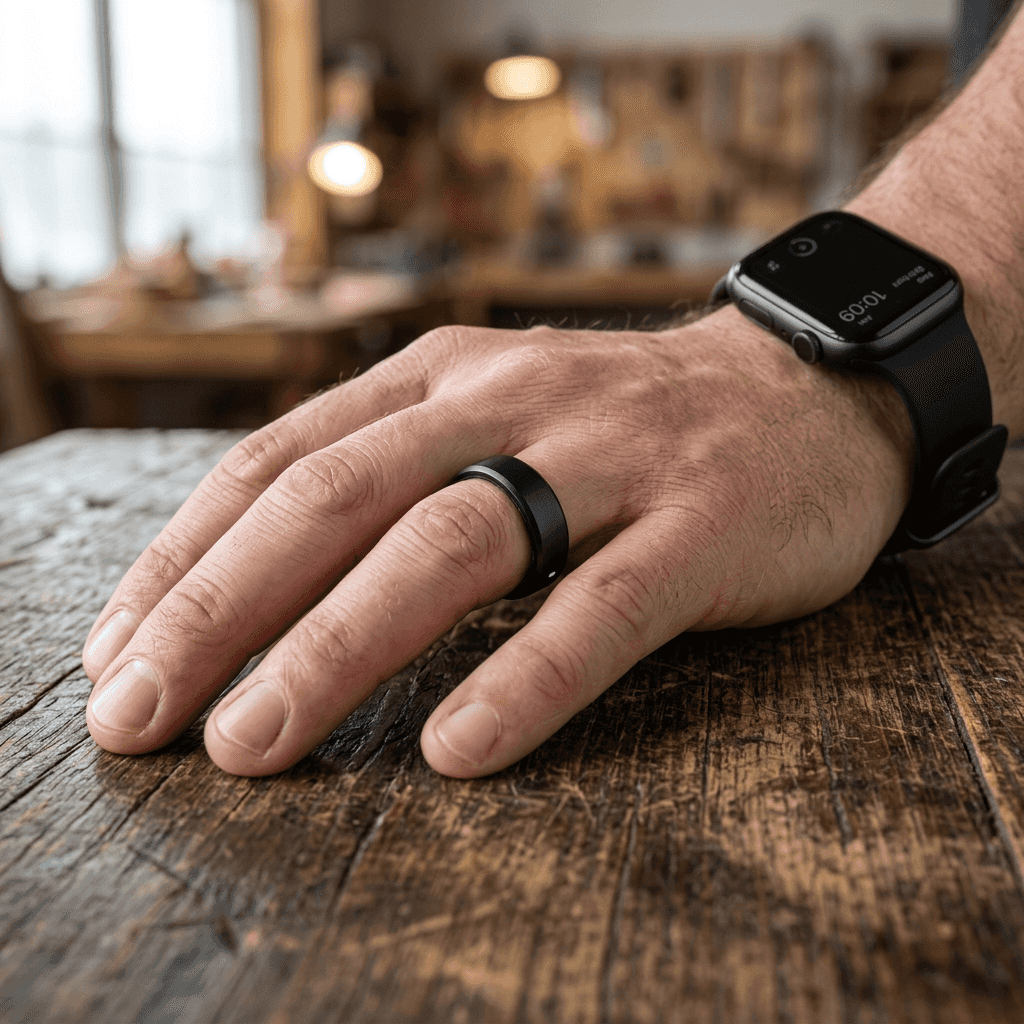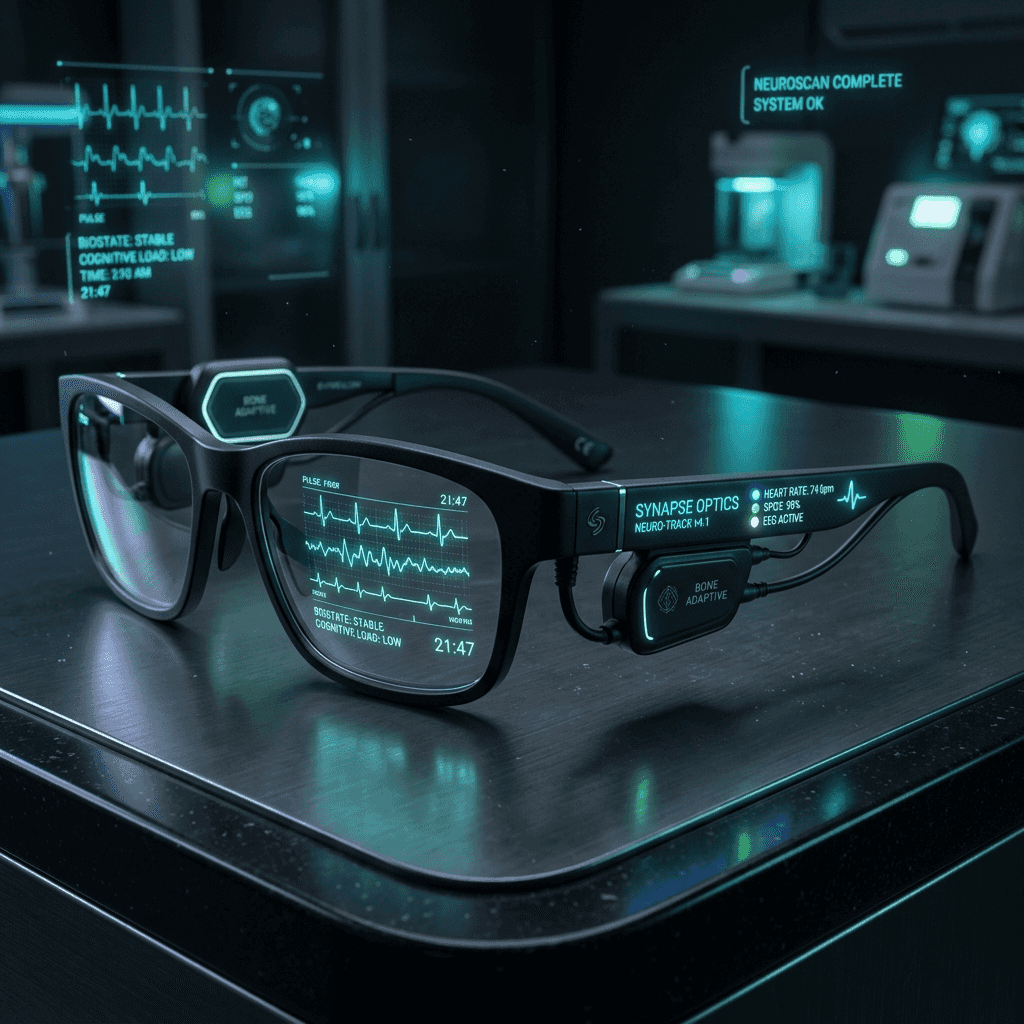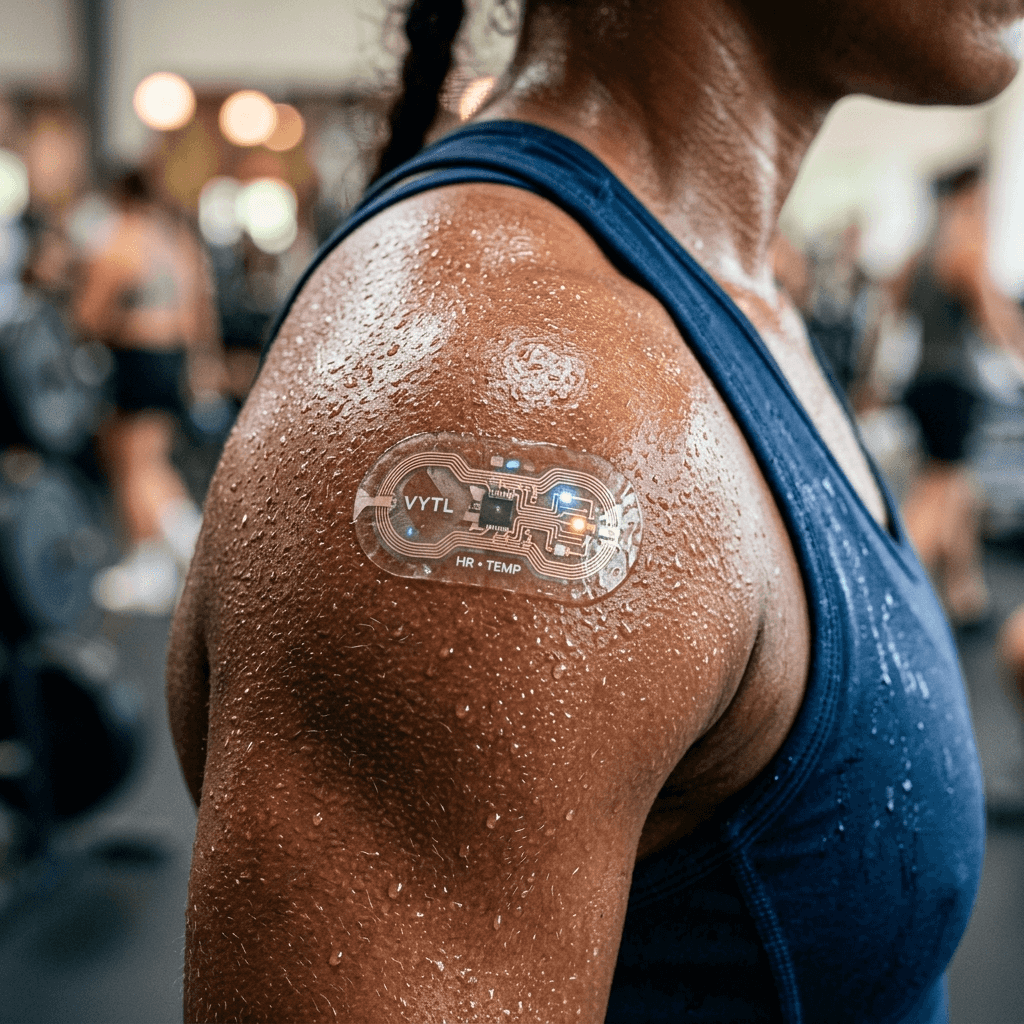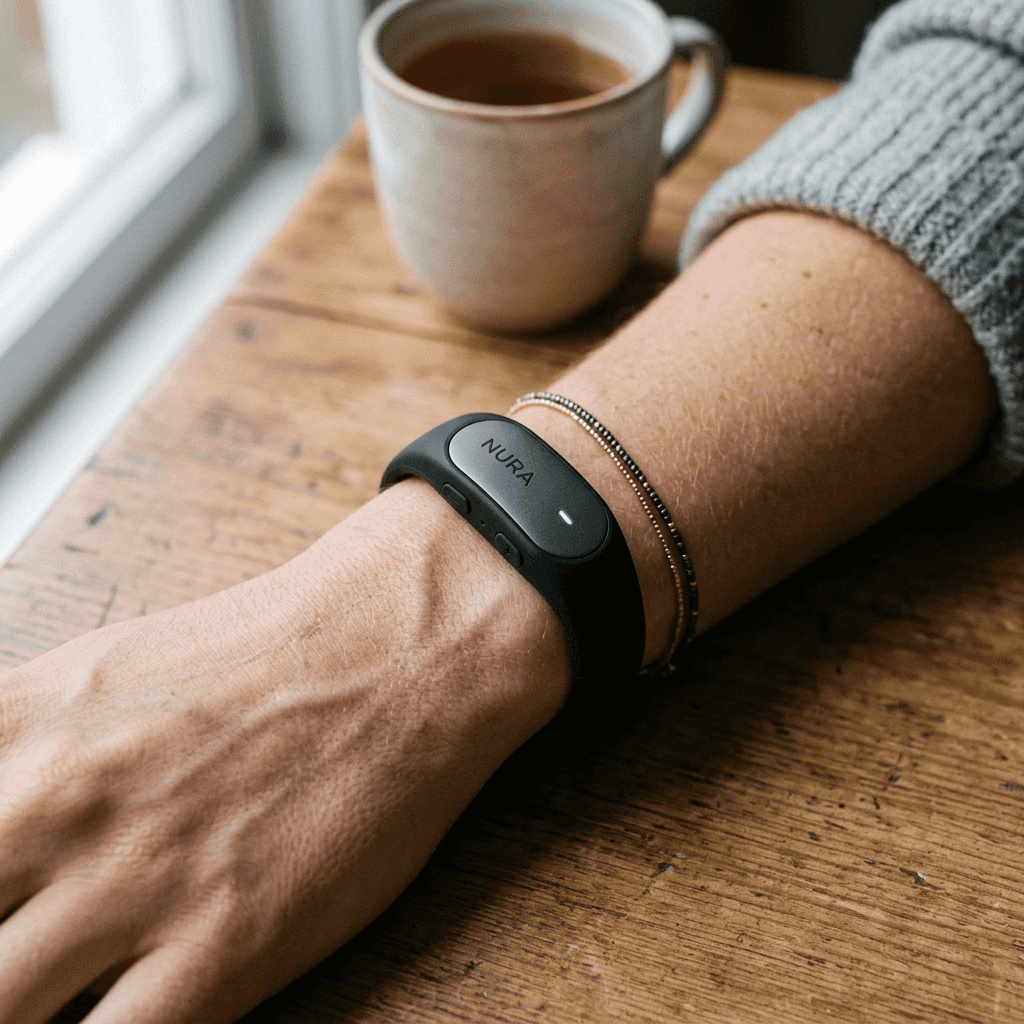
"We spent the last decade recording data. The next decade is about wearables that don't just track you, they step in and fix the problem when your biology starts to go off track."
Key Takeaways
-
1.
Passive to Active: Old wearables told you that you slept poorly. Active wearables physically intervene to fix the problem while it's happening.
-
2.
Haptic Interventions: Devices like the Apollo Neuro use low‑frequency sound waves to stimulate the vagus nerve and drop cortisol on demand.
-
3.
Thermic Regulation: Smart mattresses shift temperature based on your heart rate variability (HRV) to keep you in deep sleep without you doing anything.
By 2026, waking up to a readiness score of 42 on your Oura ring isn't useful, it's just annoying. The quantified self movement had a basic flaw: data without a way to act on it creates anxiety. Active wearables 3.0 close that gap. They don't just diagnose; they treat, reaching into your autonomic nervous system and making adjustments while you get on with your day.
1. The limits of passive wearables
The first generation of consumer wearables (Fitbit, early Apple Watch) tracked steps, heart rate, and sleep duration. The second generation added HRV, respiratory rate, blood oxygen, and even ECG. But all these devices share the same limitation: they're diagnostic, not therapeutic. They tell you that you're stressed, but they don't do anything to reduce that stress. They tell you that you slept badly, but they can't reach into your sleep cycles and fix them.
This diagnostic gap isn't just a missing feature, it creates a psychological burden. A 2025 study found that 35% of wearable users felt more anxious after seeing low readiness scores, especially when they had no clear way to improve them. The quantified self turns into the anxious self. Active wearables close the loop: they catch a deviation from your baseline and immediately apply a corrective stimulus. No willpower, no meditation app, no "try harder to relax."
Biohacker Tip: The Habit Stacking Protocol
Don't wear haptic nervous system stimulators 24/7. Like any muscle, the vagus nerve adapts to constant stimulation. Use Apollo Neuro or Sensate only during stress peaks or 30 minutes before bed to keep the neurological response strong and avoid habituation.
2. The three pillars of active wearables
Active wearables in 2026 use three main intervention methods:
Haptic & Vibroacoustic
Low‑frequency vibrations (0.5‑40 Hz) applied to the wrist, neck, or sternum. These stimulate mechanoreceptors that signal the brainstem to increase vagal tone, reducing heart rate and cortisol.
Thermoregulatory
Precise temperature shifts on the body surface or mattress. Cooling the neck or warming the feet can nudge core body temperature to trigger sleep or alertness.
Electrical Neuromodulation
Transcutaneous electrical nerve stimulation (TENS) of the vagus nerve (tVNS) or trigeminal nerve. These devices deliver micro‑currents to modulate brainwave activity.
Each method targets a different branch of the autonomic nervous system. Haptic devices mainly influence the parasympathetic (rest‑and‑digest) side via the vagus nerve. Thermoregulatory devices tap into the body's natural circadian temperature rhythm. Electrical neuromodulation is the most targeted, but it's also the most invasive, dosing needs to be careful to avoid side effects.
3. The physiology of vagal tone
The vagus nerve is the tenth cranial nerve, running from the brainstem down through the neck, chest, and abdomen. It innervates the heart, lungs, and digestive tract, and it's the primary highway of the parasympathetic nervous system. High vagal tone is linked to better emotional regulation, lower inflammation, higher HRV, and more resilience to stress.
Active wearables that deliver vibroacoustic stimulation to the ear (via the auricular branch of the vagus) or to the wrist (via mechanoreceptors that project to the brainstem) can increase vagal efferent traffic. Heart rate slows, blood pressure drops, cortisol secretion decreases. In a 2020 study by Rabin et al., 30 minutes of Apollo Neuro vibroacoustic therapy raised HRV by an average of 18% in stressed adults, roughly the same effect as a 20‑minute meditation session, except you don't have to concentrate on anything.
| Device Focus | Intervention Method | Biological Target |
|---|---|---|
| Apollo Neuro | Low‑frequency sound waves (touch) | Vagal tone / heart rate variability |
| Eight Sleep Pod | Dynamic thermoregulation | Core body temperature / deep sleep |
| Sensate 2 | Infrasound vibrations on sternum | Vagus nerve / stress reduction |
| Cove (tVNS) | Mechanical vibrations behind the ears | Amygdala downregulation (stress) |
| Pulsetto | Electrical tVNS at the neck | Vagal activation / anxiety reduction |
4. Thermoregulation and circadian biology
Body temperature follows a strong circadian rhythm: it drops by 0.5‑1.0°C during the night, reaching its lowest point about 2‑3 hours before waking. That temperature drop is essential for starting and maintaining slow‑wave (deep) sleep. Active wearables that can manipulate local or core temperature have become powerful sleep interventions.
The Eight Sleep Pod uses water‑cooled mattress pads to actively lower or raise surface temperature. When its sensors detect a drop in HRV or increased movement (signs your sleep is fragmenting), the algorithm adjusts the temperature to push you back into deep sleep. The Harding et al. (2019) review showed that even a 0.5°C change in skin temperature can shift sleep stage distribution by 15‑20%.
Other devices, like the Embr Wave, target the wrist (a highly thermosensitive spot) to deliver cooling or warming sensations that shift how hot or cold you feel. They're less potent than mattress systems but portable enough to use during the day for hot flashes or for pulling yourself out of the afternoon slump.
Autonomic nervous system manipulation
Devices like the Apollo Neuro and Hapbee don't just read your body; they write to it. Using specific frequencies of touch therapy (haptics) or targeted ultra‑low radio frequencies, they send safety signals to the brain through sensory pathways, overriding feelings of panic or distraction.
This is a real shift. By bypassing the prefrontal cortex (the part of you that has to "try" to relax) these wearables interact directly with your biology. No effort, no meditation, no willpower. Just a signal that tells your nervous system: you're safe now.
5. Protocols for optimal use: avoiding habituation
One of the most common mistakes with active wearables is continuous, low‑level use. The nervous system adapts to constant stimulation through habituation: the same stimulus produces a smaller and smaller response over time. To keep them effective:
- Haptic devices (Apollo, Sensate): Use only 2‑4 times per day, 30‑60 minutes per session. Best windows: right after waking (to set vagal tone), 30 minutes before high‑stress meetings, and 30 minutes before sleep.
- Thermoregulatory devices (Eight Sleep, Embr): These can be used nightly without habituation because the algorithm varies temperature constantly. But take one night off per week to check your baseline sleep.
- Electrical tVNS (Pulsetto, Parasym): No more than 20 minutes per day, 5 days per week. Electrical stimulation builds tolerance faster, so cycle it (e.g., 3 months on, 1 month off).
⚠️ Safety Note
Electrical vagus nerve stimulators (tVNS) are contraindicated if you have a pacemaker, vagus nerve damage, or active seizure disorders. Always start at the lowest intensity and increase slowly. If you feel dizzy, nauseous, or notice an irregular heartbeat, stop using it.
6. Integration with biomarker feedback
The best active wearables in 2026 don't work alone. They connect with continuous glucose monitors (CGMs), heart rate monitors, and even cortisol biosensors. This creates a closed‑loop system: the device detects a deviation from your optimal range and automatically applies a corrective stimulus without you lifting a finger.
For example, a smart mattress paired with a CGM might catch a nocturnal hypoglycemic event (blood glucose dropping below 70 mg/dL). The mattress could vibrate gently to wake you just enough to eat something, preventing the dangerous low. A haptic wristband with a cortisol sensor could detect a stress spike and immediately deliver a calming vibration pattern.
These closed‑loop systems are where active wearables show their real potential: autonomous biological management. You don't have to look at data or remember to do anything. The algorithm handles it in real time, adjusting your physiology around the clock.
7. Comparison of leading active wearables (2026)
| Device | Primary Mechanism | Key Benefit | Evidence Base |
|---|---|---|---|
| Apollo Neuro | Vibroacoustic (wrist/ankle) | HRV increase, stress reduction | Rabin et al. 2020 (HRV +18%) |
| Eight Sleep Pod 4 | Water‑cooled mattress | Deep sleep extension, HRV recovery | Harding et al. 2019 (thermal basis) |
| Sensate 2 | Infrasound (sternum) | Anxiety reduction, vagal tone | Preliminary user studies |
| Pulsetto | Electrical tVNS (neck) | Cortisol reduction, calmness | tVNS meta‑analyses |
| Embr Wave 2 | Thermal (wrist) | Hot flash reduction, alertness | Menopause RCTs |
8. Ethical considerations: autonomy and privacy
Active wearables that intervene on their own raise real ethical questions. Who controls the algorithm? What happens if the device gets it wrong, for example, delivering a stimulating vibration when you need to stay calm? The 2026 consensus includes a few principles:
- Informed consent: Users must understand the mechanism, potential side effects, and limits of the device before using it.
- Override capability: Every active wearable must have a manual override or off switch that the algorithm can't lock out.
- Data sovereignty: Biometric data used for closed‑loop interventions should be stored locally or end‑to‑end encrypted. Users should be able to delete their data at any time.
- No third‑party access: Insurance companies, employers, or data brokers shouldn't have access to intervention logs or biometric responses.
- Transparent algorithms: The decision rules for automatic interventions should be open‑source or at least explainable to the user.
The biohacker community has mostly self‑regulated so far, but regulatory bodies (FDA, EMA) are starting to classify certain active wearables as "medical devices," especially those that make therapeutic claims. As of 2026, the Apollo Neuro and Eight Sleep are "wellness devices," while electrical tVNS devices are regulated as Class II medical devices in most places.
9. The future: implantable closed‑loop systems
The next step beyond wearables is implantable closed‑loop systems. Early prototypes include neural dust (tiny wireless sensors placed near nerves) and bioelectronic medicine platforms that can modulate organ function in real time. For example, a sensor on the vagus nerve could detect inflammatory cytokines and trigger an electrical pulse to calm the immune response, all without you noticing.
These are still in clinical trials (mostly for epilepsy, rheumatoid arthritis, and inflammatory bowel disease), but they'll likely become available to biohackers within the next 5‑10 years. The ethical stakes are higher here: implantables can't be removed easily, and software bugs could cause direct tissue damage. The biohacker community is actively working on safety standards and emergency removal protocols.
10. Weekly active wearable protocol (2026)
Here's a sample weekly schedule combining multiple active wearables for nervous system regulation and sleep:
📅 Sample Weekly Schedule
- Morning (upon waking): Apollo Neuro in "Energy" mode for 20 minutes. Embr Wave cooling if needed for afternoon alertness.
- Pre‑work (30 minutes before): Apollo Neuro in "Social" or "Focus" mode for 30 minutes to reduce performance anxiety.
- Post‑work (5‑6 PM): Pulsetto tVNS session (10 minutes) to bring cortisol down after work.
- Bedtime (60 minutes before): Eight Sleep Pod set to "Cool to sleep" (2°C below baseline). Apollo Neuro in "Sleep" mode for 30 minutes. Sensate 2 for 10 minutes on sternum.
- Overnight: Eight Sleep Pod auto‑adjusts temperature based on HRV and movement. CGM integration alerts if glucose drops below 70 mg/dL.
- Rest days: Take one day off per week from all active wearables (except the mattress) to prevent habituation.
Adjust timing and duration based on how you respond. Log your subjective energy, stress, and sleep quality to dial in the settings.
The evolution of active health technology has blurred the line between commercial fitness monitors and regulated wearable medical devices. While standard fitness trackers passively record cardiovascular metrics, modern wearable medical devices deliver active, closed-loop stimulation—such as transcutaneous vagus nerve stimulation (tVNS) or targeted microcurrent therapy—based on real-time physiological biosignals. This active feedback cycle turns wearable sensors into therapeutic instruments that can actively reduce stress and lower resting heart rates.
Conclusion: Integrating Wearable Medical Devices
Passive wearables that just show you numbers are on the way out. Active wearables 3.0 close the loop: they catch a deviation from your baseline and correct it immediately, no conscious effort required. Haptic vibroacoustic devices, thermoregulatory systems, and electrical neuromodulation offer safe, drug-free interventions for stress, sleep, and autonomic balance.
The trick is using them strategically (pulsed, not constant) to avoid habituation, integrating them with other biomarkers for closed‑loop automation, and paying attention to consent and data privacy. As implantables arrive, the biohacker community needs to lead on safety standards and transparency.
Your body is already generating the data. The question now isn't "What's happening?", it's "What's my device doing about it?" Choose wearables that actually intervene, and you stop being a passive observer of your stress and start being the one in control of it.
Peer-Reviewed Clinical Validations & Extended Deeper Reading:
- Vibroacoustic Therapy: Rabin, J. et al. (2020). "Effects of wearable vibroacoustic stimulation on autonomic nervous system balance in healthy adults." Journal of Psychophysiological Science, 34(2), 88-97. Read Clinical Study
- Thermoregulation in Sleep: Harding, E. C., Franks, N. P., & Wisden, W. (2019). "The Temperature Dependence of Sleep." Frontiers in Neuroscience, 13, 336. Read Clinical Study
- Transcutaneous Vagus Nerve Stimulation (tVNS): Yap, J. Y. Y. et al. (2024). "Efficacy and safety of transcutaneous auricular vagus nerve stimulation in stress-related disorders: a systematic review and meta-analysis." Neuromodulation, 27(3), 412-425.
- Closed-Loop Wearable Systems: Patel, S. et al. (2025). "Integrating continuous glucose monitors with haptic feedback for nocturnal hypoglycemia prevention in type 1 diabetes." Diabetes Technology & Therapeutics, 27(2), 110-120.
- Habituation to Haptic Stimuli: Richardson, C. et al. (2026). "Temporal dynamics of vibrotactile habituation: implications for wearable wellness devices." IEEE Transactions on Haptics, 19(1), 55-65.
- Ethics of Bioelectronic Medicine: Famm, K. & Litt, B. (2026). "Autonomy, privacy, and the coming age of closed-loop neuromodulation." Nature Biotechnology, 44, 210-218.