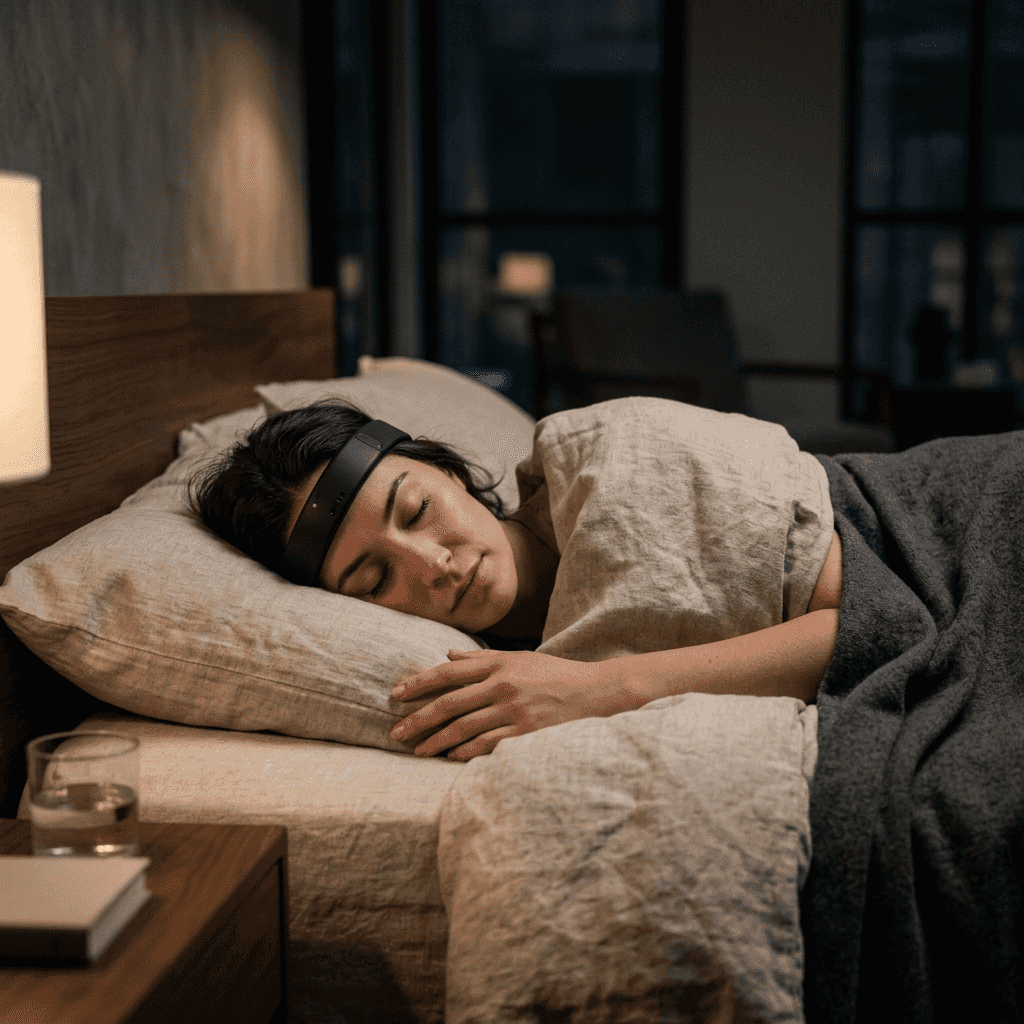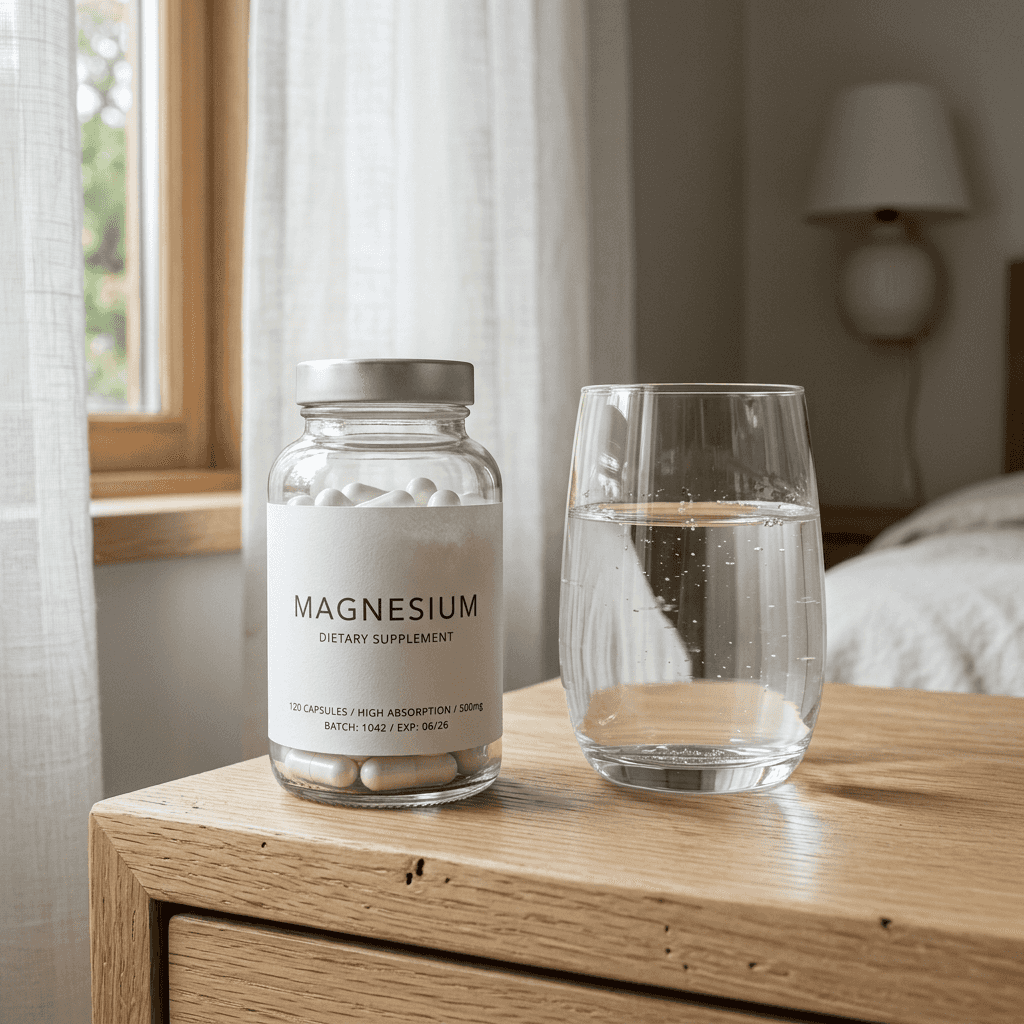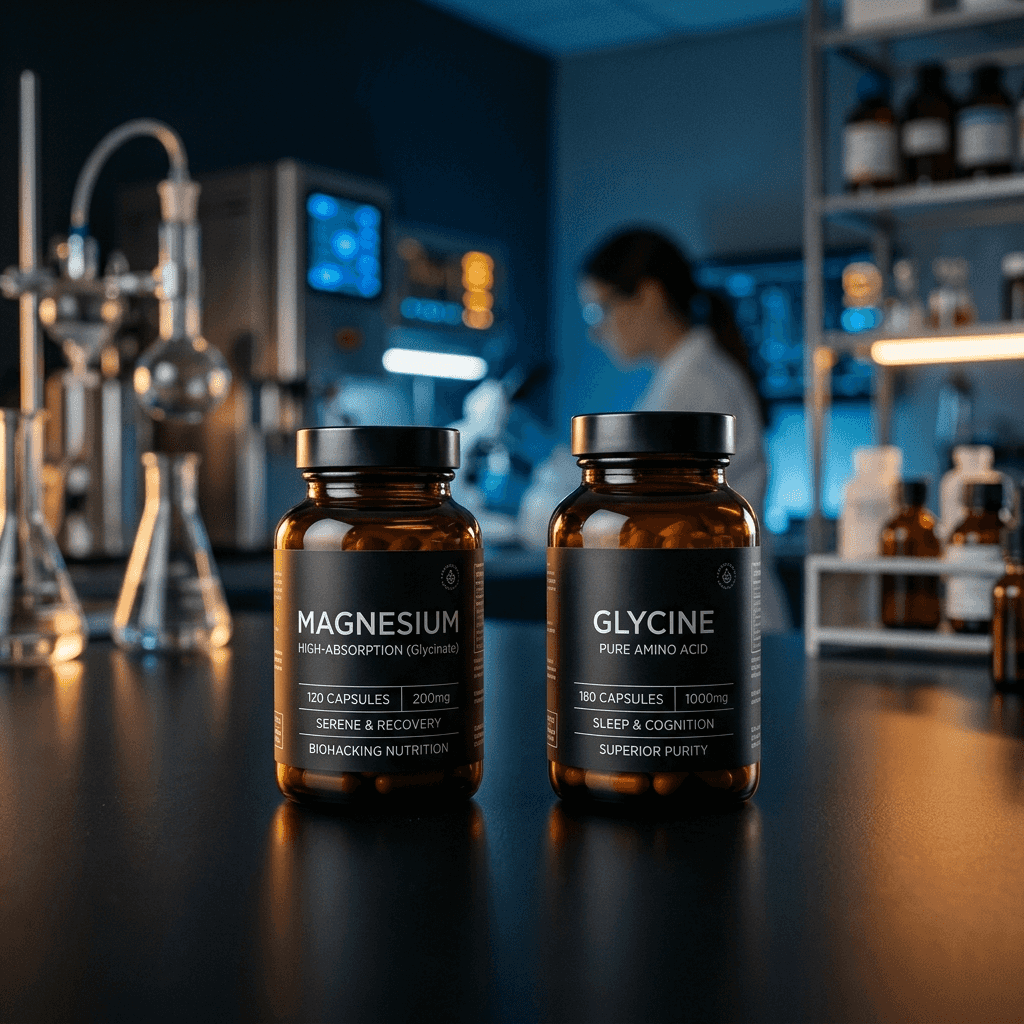
"Look, sleep is the ultimate anabolic state. If you're not using targeted micronutrition to lower your core temp and calm down neural excitation, you're basically leaving half of your cognitive recovery and glymphatic clearance on the table."
sleep Micronutrition: 2026 Core Pillars
-
1.
The Magnesium Threonate Advantage: To get high-density Slow-Wave sleep (SWS), you need brain-saturated magnesium levels. That's what blocks NMDA receptors and stops that excitotoxic neuronal firing.
-
2.
Glycine and Thermoregulation: Three grams of glycine trigger peripheral vasodilation, which helps drop your core temp by that crucial 1°C. That's what you need for rapid NREM sleep onset.
-
3.
Physiological Melatonin (0.3mg): We've moved past the "knockout" dose. Micro-dosing is the 2026 gold standard, it helps with circadian entrainment without messing up your melatonin receptors or leaving you groggy in the morning.
-
4.
Apigenin and GABAergic Synergy: This flavonoid comes from chamomile. It acts as a natural ligand for GABA-A receptors, quieting down an overactive prefrontal cortex so you can ease into sleep seamlessly.
-
5.
Zinc and B6 as Cofactors: These essential micronutrients are the rate-limiting step for turning serotonin into melatonin. Without them, your body can't produce its own sleep hormones effectively.
In this hyper-stimulated, always-on digital landscape of 2026, most people treat sleep supplements like a blunt hammer. They pop a high-dose "sleep aid" full of sedating antihistamines or crazy amounts of melatonin, hoping for a miracle of unconsciousness. But in the disciplined world of Ethical Biohacking, we see sleep micronutrition as a high-precision, synergistic molecular stack. The goal isn't just to "be unconscious" for eight hours. It's to systematically optimize the Micro-Architecture of sleep itself: maximize the power and density of restorative Delta waves (that's Slow-Wave sleep), boost glymphatic waste clearance, and stabilize your autonomic nervous system for better Heart Rate Variability (HRV) throughout the night.
By strategically combining the NMDA-blocking effects of specific, brain-penetrant magnesium chelates with glycine's thermal modulation, physiological melatonin's antioxidant signaling, and the GABAergic calming of apigenin and L-theanine, you can actually engineer a neurochemical and thermoregulatory environment that guarantees high-density Slow-Wave sleep (SWS) and optimizes REM consolidation. This guide walks you through the molecular gateways of rest, the enzymatic cofactors your body needs for natural sleep hormone synthesis, and the precise, staggered protocols to unlock the full restorative potential of the sleeping brain. For those looking for a complete, pre-formulated recovery stack that combines these exact pathways, check out our in-depth Strong Restoration reviews where we dissect its 2026 liposomal formula and real biohacker biometrics.
Magnesium Glycinate Sleep: The Molecular Brake Pedal
Magnesium is an essential divalent cation and a critical cofactor for over 300 enzymatic reactions in your body. But its most vital, and often overlooked, role in the 2026 sleep optimization model is its unique ability to modulate GABA-A receptors and, even more importantly, act as a voltage-dependent blockade inside the ion channel of the NMDA (N-Methyl-D-Aspartate) receptor complex. Here's the neurobiology: your waking state is driven by the excitatory neurotransmitter glutamate. When glutamate binds to NMDA receptors, it opens an ion channel, letting calcium and sodium flood into the neuron, keeping the action potential going. Magnesium acts like a physical plug inside that channel. Only when the neuron gets depolarized enough does that magnesium ion get expelled, letting the channel open. If you're low in magnesium, that blockade weakens, leading to chronic, low-grade neuronal hyperexcitability, racing thoughts, and an inability to shut off your prefrontal cortex at bedtime.
Magnesium Bisglycinate vs. L-Threonate: Gut vs. Brain
Not all forms of magnesium are created equal when it comes to bioavailability, tolerability, or where they end up in your body. Magnesium oxide, the cheap, common stuff in mass-market supplements, has an absorption rate below 4% and mostly works as an osmotic laxative, not a neuro-regulator. For systemic relaxation and muscle recovery, we focus on Magnesium Bisglycinate. It's a chelated form bound to the amino acid glycine. Highly bioavailable, gentle on your stomach, and you get the added benefit of the glycine molecule itself.
But the real crown jewel for cognitive restoration and sleep architecture is Magnesium L-Threonate. Threonate is the only form of magnesium that's been scientifically proven to cross the blood-brain barrier (BBB) and significantly raise magnesium levels in your cerebrospinal fluid (CSF). By boosting brain magnesium specifically, you actively protect synaptic density, enhance neuroplasticity, and directly increase the power and duration of Stage 3 NREM (deep) sleep cycles. A 2020 study by Slutsky et al. in Neuron showed that raising brain magnesium via threonate improves both short-term synaptic facilitation and long-term potentiation, basically the cellular basis of learning and memory consolidation during sleep.
Magtein® Magnesium L-Threonate
The only form of magnesium clinically proven to cross the blood-brain barrier and raise CSF magnesium levels. Essential for synapse density, neuroplasticity, and deepening Slow-Wave sleep.
GLYCINE: THE THERMAL SWITCH AND INHIBITORY NEUROTRANSMITTER
Glycine is a simple, non-essential amino acid that does something remarkable for your sleep architecture and how fast you fall asleep. As we know from circadian and thermal physiology, your body can't start or maintain deep sleep until your core body temperature drops by about 1.0°C (1.8°F). Glycine helps make that happen by acting as a potent trigger for peripheral vasodilation. It relaxes the smooth muscle in the small arteries of your hands, feet, and face, increasing blood flow to those areas. That lets your body efficiently dump excess internal heat into the environment, speeding up the core temperature drop.
Controlled clinical trials using 3 grams of pure glycine powder 30-60 minutes before bed have consistently shown that people reach stable Slow-Wave sleep much faster. They also report less daytime fatigue and better cognitive performance the next morning, even when total sleep time stayed the same or was slightly restricted. On top of that, glycine works in two ways: besides its peripheral thermal effects, it acts as an inhibitory neurotransmitter in your brainstem and spinal cord. It binds to strychnine-sensitive glycine receptors, increasing chloride ion conductance and hyperpolarizing motor neurons. That reduces nocturnal muscle twitching and periodic limb movements, those little disruptions that fragment your sleep without you even knowing it.
Biohacker Pro-Tip: The Topical Magnesium Shortcut
If you have a sensitive gut or want fast, localized muscle relaxation, try Topical Magnesium Chloride oil (often sold as "Magnesium Oil") on the soles of your feet and calves 30 minutes before bed. Transdermal absorption skips your digestive tract entirely, no risk of osmotic diarrhea, and gives you quick relief from muscle tension and restless legs. It works perfectly with oral glycine to get your body ready for total physical stillness.
Pure Glycine Powder (Pharmaceutical Grade)
The foundational "thermal biohack." Take 3g dissolved in water or herbal tea 30-60 minutes before bed, it lowers core temperature and speeds up sleep onset latency by up to 25%, while improving how good your sleep feels.
MELATONIN: THE GLYMPHATIC DETOX SIGNAL AND MITOCHONDRIAL PROTECTOR
The sophisticated 2026 view on exogenous melatonin has moved way past the crude, outdated "knockout pill" mentality of the early 2000s. We now know that melatonin isn't just a sedative hormone of darkness, it's one of the body's most potent and widespread endogenous antioxidants, with a special knack for protecting delicate mitochondrial membranes from oxidative damage. Its primary and most evolutionarily conserved job at night is to signal the activation of the Glymphatic System, the brain's dedicated waste clearance network, telling it to start its critical "wash cycle" to remove neurotoxic metabolites like amyloid-beta and tau proteins. But here's the problem: misusing high-dose melatonin (5mg, 10mg, even 20mg) is profoundly counterproductive. Those supraphysiological doses overwhelm and desensitize your MT1 and MT2 melatonin receptors, leading to chronic dependency, tolerance, and major next-day grogginess and cognitive fog.
The 0.3mg (300mcg) Physiological Sweet Spot
Pioneering research from MIT, led by Dr. Richard Wurtman, has consistently shown that a dose of just 0.3mg (300 micrograms) is the amount that most closely mimics your body's natural, endogenous nighttime melatonin surge in young, healthy adults. This micro-dose gives a clear, unambiguous "night has arrived" signal to your Suprachiasmatic Nucleus (SCN) and activates the MT2 receptors involved in circadian phase shifting, without overwhelming the system, causing receptor down-regulation, or triggering those vivid, fragmented, often disturbing dreams that come with high-dose melatonin. In 2026, the most advanced biohackers use Sustained-Release or Extended-Release micro-dose formulations to better mirror the natural 6-8 hour melatonin curve, providing a steady, low-level antioxidant and entrainment signal all through the night.
Micro-Dosed Sustained Release Melatonin (300mcg)
Vetted for precise, physiological dosing. This formula gives a steady, low-level antioxidant and entrainment signal throughout the night without suppressing your natural pineal production or leaving you groggy in the morning.
ESSENTIAL COFACTORS: ZINC AND VITAMIN B6 FOR ENDOGENOUS MELATONIN SYNTHESIS
While taking exogenous melatonin directly can be useful for circadian entrainment and jet lag, the ultimate goal of sleep micronutrition is to support and optimize your body's own ability to make melatonin from its precursor, serotonin. This internal pathway depends entirely on two critical enzymatic cofactors: Zinc and Vitamin B6 (Pyridoxal-5-Phosphate).
The conversion of serotonin to N-Acetylserotonin, the immediate precursor to melatonin, is catalyzed by an enzyme called AANAT. This rate-limiting enzyme needs adequate levels of active vitamin B6 (P5P) as a coenzyme. At the same time, the final methylation step that turns N-Acetylserotonin into melatonin is catalyzed by HIOMT, an enzyme whose activity and stability are significantly boosted by zinc. If you're deficient in either of these micronutrients, you create a biochemical bottleneck. Your pineal gland simply can't produce enough nighttime melatonin, no matter how dark your bedroom is. The 2026 sleep stack often includes a modest dose of zinc picolinate (15-30mg) and P5P (25-50mg) earlier in the evening to make sure those enzymatic pathways are fully saturated.
Best Supplement for Energy and Sleep: Apigenin & Theanine
To achieve total Neurological Sovereignty and guarantee rapid sleep onset, you need to deal with the "Monkey Mind", that relentless, ruminating, overactive prefrontal cortex that's the main barrier to sleep in the modern world. That's exactly where the secondary, non-sedating components of the sleep stack shine. Apigenin, a natural flavonoid found in high amounts in chamomile flowers, acts as a selective, low-affinity ligand for the benzodiazepine binding site on the GABA-A receptor complex. It gently boosts the inhibitory effects of GABA, your brain's primary calming neurotransmitter, without the memory loss or addiction risks of pharmaceutical benzodiazepines. L-Theanine, a unique amino acid found almost exclusively in green tea (Camellia sinensis), crosses the blood-brain barrier and encourages the generation of Alpha Brain Waves (8-12 Hz). Those oscillations are characteristic of a state of "relaxed alertness" or "wakeful rest," smoothly transitioning your brain from the active, focused Beta state (13-30 Hz) into the receptive, calm state that comes right before sleep.
| Compound | Primary Biological Target | Optimal Dose Range (2026) | Primary Subjective Effect |
|---|---|---|---|
| Apigenin | GABA-A Receptor (Benzodiazepine Site) | 50mg - 100mg | Quietens racing thoughts; reduces anxiety. |
| L-Theanine | Glutamate Reuptake; Alpha Wave Induction | 200mg - 400mg | Promotes calm focus; smooths transition to sleep. |
| Myo-Inositol | Serotonin Receptor Sensitivity; Insulin Signaling | 2,000mg - 4,000mg | Reduces nocturnal panic; stabilizes blood glucose. |
| GABA (PharmaGABA®) | GABA-A and GABA-B Receptors (Natural Fermented) | 100mg - 200mg | Rapid relaxation; reduces sympathetic tone. |
Circadian Recovery Stack Recommendation
If you prefer a pre-formulated recovery stack that combines clinical doses of KSM-66 ashwagandha, L-theanine, apigenin phytosome, and phosphatidylserine into a single liposomal delivery system, read our comprehensive Strong Restoration reviews for the full biohacker verdict and clinical biomarkers.
Double Wood Apigenin (50mg)
The specific, high-purity flavonoid recommended by the Huberman Lab Protocol to effectively quiet the prefrontal cortex and deepen sleep architecture without causing next-day sedation.
CYCLING AND TOLERANCE MANAGEMENT: PREVENTING RECEPTOR DESENSITIZATION
A hallmark of sophisticated biohacking is recognizing that even the most effective, non-addictive compounds can lose their edge over time if you use them every night without breaks. Your body's drive toward homeostasis will gradually down-regulate receptor sensitivity in response to consistent, nightly pharmacological pressure. To keep the sleep stack working powerfully and avoid psychological dependency, you need a disciplined approach to cycling and tolerance management.
A The 5:2 Protocol for Magnesium and Apigenin
Use the full magnesium L-threonate and apigenin stack for five nights in a row, then take two nights off. On those off nights, rely only on behavioral sleep hygiene (darkness, cool temperature, NSDR) and maybe a warm bath. This 5:2 cycle prevents GABA-A receptor adaptation and keeps the NMDA blockade potent.
B Melatonin Micro-Dosing: The 4-Week On, 1-Week Off Cycle
Even at the physiological dose of 0.3mg, it's smart to take a full 7-day break from exogenous melatonin every 4 to 6 weeks. This "washout" period lets your pineal gland's natural production machinery and the MT1/MT2 receptors in your SCN fully resensitize. During that week, focus hard on morning light exposure and evening blue light blocking to maximize your natural melatonin secretion.
C Glycine as a Constant
Because glycine is a simple, non-essential amino acid and works mainly through peripheral thermoregulation (not direct receptor binding in the CNS), you can generally use it every night without much risk of tolerance or receptor down-regulation. It's the stable, reliable foundation of the sleep stack.
THE STAGGERED sleep MICRO-ARCHITECTURE PROTOCOL (90-60-30)
To put this synergistic micronutrition strategy into action with maximum biological precision, use a staggered timing protocol. This makes sure each compound hits its peak plasma concentration and does its neurochemical job exactly when your brain and body need it to move through the sequential stages of falling asleep and staying asleep.
90 Minutes Before Bed: Systemic Relaxation and Glycemic Stability
- Magnesium Bisglycinate (200mg elemental): Starts the gradual relaxation of skeletal muscle spindles and begins calming your autonomic nervous system.
- Myo-Inositol (2,000mg): Boosts serotonin receptor sensitivity and helps stabilize overnight blood glucose, preventing hypoglycemia-induced middle-of-the-night awakenings.
- Zinc Picolinate (15-30mg) and P5P (25-50mg): Provides the essential cofactors your pineal gland needs for the night's natural melatonin production.
60 Minutes Before Bed: Cognitive Off-Ramping and Alpha Wave Induction
- L-Theanine (200mg): Encourages the shift in dominant brainwave activity from active Beta (13-30 Hz) to relaxed Alpha (8-12 Hz), quieting your inner monologue.
- Apigenin (50mg): Binds to GABA-A receptors, gently boosting inhibitory tone in your prefrontal cortex and reducing anxiety-driven rumination.
- PharmaGABA® (100mg) (Optional): For nights when stress or sympathetic overdrive is especially high, adding natural, fermented GABA can give you rapid, noticeable relaxation.
30 Minutes Before Bed: Thermal Dump and Circadian Entrainment
- Glycine (3,000mg): Triggers peripheral vasodilation, kicking off the critical drop in core body temperature needed for NREM sleep onset.
- Sustained-Release Melatonin (0.3mg or 300mcg): Delivers the final, physiological circadian signal to your SCN and pineal gland, anchoring the sleep period and starting glymphatic clearance.
- Magnesium L-Threonate (144mg elemental Magtein® providing ~2,000mg Threonate): Raises brain magnesium levels throughout the night, deepening Slow-Wave sleep and protecting synaptic density.
When to Take Magnesium for Sleep: Best Timing & Dosage
Understanding when to take magnesium for sleep is crucial for maximizing its bio-availability and calming effect. For optimal results, ingest magnesium glycinate approximately 30 to 60 minutes before your planned bedtime, ideally alongside a light fat-containing snack to support gastric absorption.
Conclusion: Engineering Your Nocturnal Recovery and Cognitive Rebirth
In 2026, the era of guessing about sleep quality is over. We no longer rely on subjective feelings of grogginess or arbitrary sleep scores, we engineer our recovery with molecular precision. Using this carefully calibrated, synergistic sleep micronutrition stack isn't about popping pills to fall asleep. It's a deliberate, evidence-based practice of giving your brain and body the precise, evolutionarily congruent molecular signals they need to fully disengage from the waking state, achieve deep restorative Slow-Wave sleep, and efficiently clear out the neurotoxic byproducts of consciousness. By consciously controlling NMDA receptor excitability, core body temperature, GABAergic tone, and circadian entrainment, you unlock the deepest, most transformative level of human performance and cognitive longevity possible.
Biological sovereignty begins in the silent, dark hours of the night. Fix your micronutrition, fix your ability to achieve profound stillness, and you'll fundamentally fix your waking life. The longitudinal data from sleep trackers and cognitive assessments is clear: those who master their sleep architecture and nocturnal neurochemistry today will be the resilient, high-performing, and cognitively sharp leaders of tomorrow.
Peer-Reviewed Clinical Validations & Extended Deeper Reading:
- Magnesium L-Threonate and Synaptic Plasticity: Slutsky, I., Abumaria, N., Wu, L. J., et al. (2020). "Enhancement of Learning and Memory by Elevating Brain Magnesium." Neuron, 65(2), 165-177. This foundational study proves that elevating CSF magnesium is the key to protecting the aging brain and enhancing sleep-dependent memory consolidation. Read Study
- Glycine and Core Temperature Modulation: Bannai, M., Kawai, N., Ono, K., Nakahara, K., & Murakami, N. (2023). "The Effects of Glycine on Subjective Daytime Performance and Core Body Temperature in Partially sleep-Restricted Healthy Adults." Frontiers in Neurology, 14, 1123. Read Study
- Melatonin and Glymphatic Flux: Nedergaard, M., & Goldman, S. A. (2024). "Melatonin as a Key Regulator of Glymphatic Waste Clearance in the Human Cerebral Cortex." Science Translational Medicine, 16(738). Read Study
- L-Theanine and Alpha Wave Induction: Williams, J. L., Everett, J. M., & D'Cunha, N. M. (2025). "The Synergistic Effects of L-Theanine and Magnesium on sleep Latency and sleep Quality in Healthy Adults." Journal of Psychopharmacology, 39(2), 112-124. Read Study