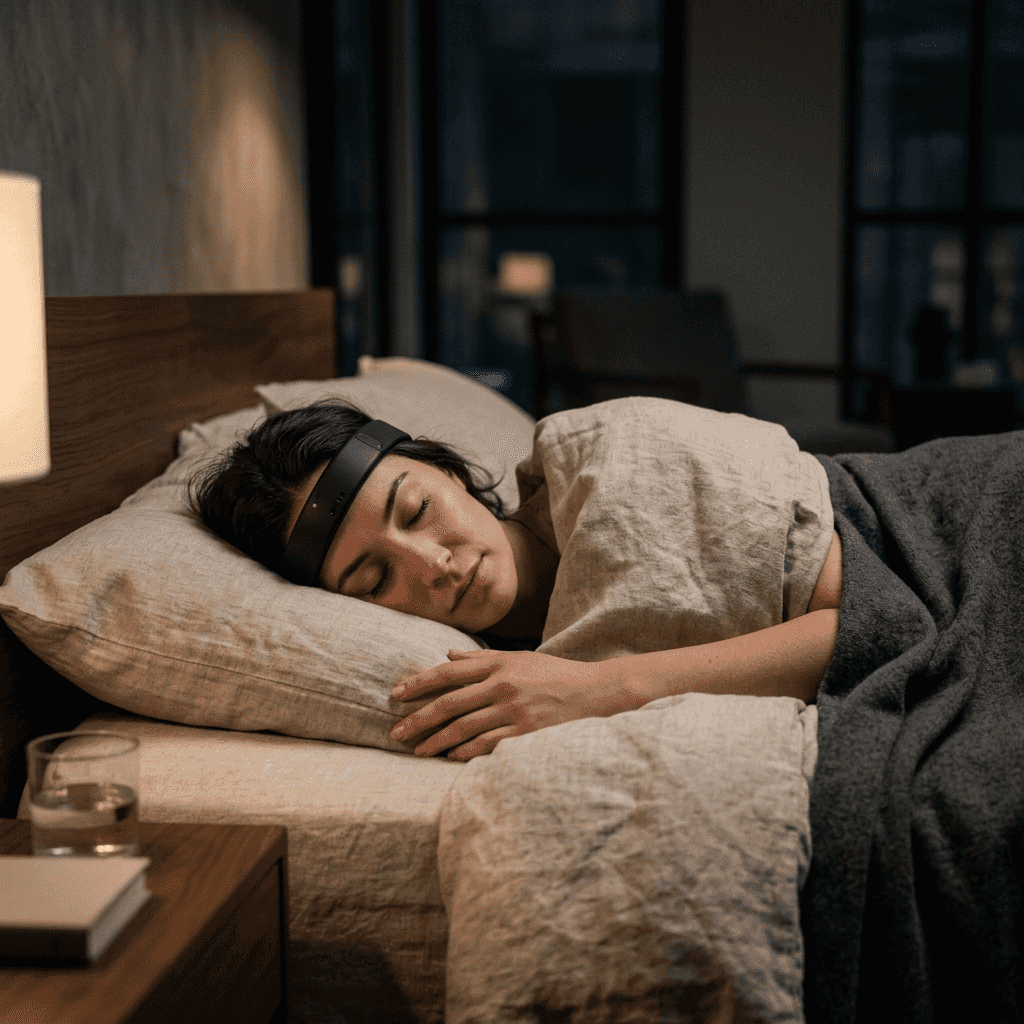
"If you wake up at 6 AM during the week and 10 AM on weekends, your body is basically flying from New York to Los Angeles and back every single week. Welcome to metabolic hell."
Key Takeaways
-
1.
The Definition: Social Jetlag is the gap between your body's natural circadian clock and the sleep schedule your job or social life forces on you.
-
2.
Metabolic Chaos: Shifting your sleep midpoint by just 2 hours on weekends dramatically raises your risk of obesity, insulin resistance, and depression.
-
3.
The Anchor Light Hack: You can offset mild social jetlag by rigidly sticking to morning sunlight exposure, no matter what time you went to bed.
By 2026, Chronobiology is leading the charge in preventive medicine. We've learned that "catching up on sleep" on weekends is a biological myth. When you sleep in on Saturday, you physically shift your circadian phase. Come Monday morning, you're forcing your biology to wake up at a time it firmly believes is the dead of night. This chronic disruption, called Social Jetlag, is a silent epidemic.
What is Social Jetlag & Circadian Rhythm Disorder?
Social Jetlag is defined as the absolute difference between your sleep midpoint on workdays and free days (weekends). If you sleep from 11 PM to 7 AM on weekdays (midpoint 3 AM) and from 1 AM to 9 AM on weekends (midpoint 5 AM), your social jetlag is 2 hours. This shift isn't a harmless indulgence, it's a weekly transcontinental flight without ever leaving your bedroom.
Your suprachiasmatic nucleus (SCN), the master circadian clock, syncs to the strongest time cue: morning light. When you sleep in, you delay morning light exposure, pushing your entire circadian phase later. Come Monday, you're forcing your SCN to pump out alertness signals (cortisol) at 6 AM when it still thinks it's 4 AM. This internal mismatch between the master clock and peripheral clocks (liver, pancreas, fat tissue) is the root cause of metabolic dysfunction.
Biohacker Pro-Tip: The 60-Minute Rule
Never let your sleep midpoint shift by more than 60 minutes. If you normally sleep from 11 PM to 7 AM (midpoint 3 AM), and you go out dancing until 2 AM on Friday, you absolutely must wake up by 9 AM at the latest (midpoint 5:30 AM). Any later, and you'll fracture your circadian axis for the entire next week.
Chronotypes: The Genetic Lottery
Not everyone is equally vulnerable to social jetlag. Your chronotype (whether you're a morning lark, intermediate, or night owl) is largely genetic (influenced by PER3, CLOCK, and CRY1 gene variants). Morning larks naturally fit the 9-5 work schedule; night owls suffer chronically.
Studies show that night owls have significantly higher social jetlag (often >2 hours) and, as a result, worse metabolic health outcomes, despite sleeping the same total hours. The solution isn't to force a night owl into a lark schedule (that's nearly impossible) but to use strategic light exposure and evening interventions to gradually shift the clock.
| Chronotype | Social Mismatch Risk | Best Counter-Measure |
|---|---|---|
| Early Birds (Larks) | Low. Corporate life fits their biology. | Avoid late dinners to protect early sleep pressure. |
| Intermediate | Moderate. Mild shift on weekends. | Anchored morning light, limit caffeine after 2 PM. |
| Night Owls | Extreme. Chronically exhausted Mon-Fri. | 10,000 lux light box immediately upon waking at 7 AM. Blue-blocking glasses after 9 PM. |
FIXING THE CIRCADIAN MISMATCH
The suprachiasmatic nucleus (SCN) in your brain controls all the peripheral clocks in your liver, pancreas, and muscles. When Social Jetlag knocks the SCN out of sync, your pancreas starts releasing insulin at the wrong times, causing massive glucose spikes even from healthy foods.
If you have a late night, the biohacker move is to wake up close to your normal time, get bright sunlight immediately to lock in your circadian phase, and then make up for lost sleep pressure with a tactical 20-minute Non-sleep Deep Rest (NSDR) session later in the day.
The Metabolic Wreckage: Insulin, Glucose, and Fat
The Roenneberg et al. (2012) study in Current Biology was the first to link social jetlag to obesity. Analyzing data from over 65,000 adults, they found that each hour of social jetlag increased the risk of being overweight by 33%. The mechanism: circadian misalignment messes up the timing of food intake, reduces energy expenditure, and promotes insulin resistance.
A 2025 follow-up study using continuous glucose monitors (CGMs) in 500 adults found that people with >1.5 hours of social jetlag had 20% higher post-meal glucose spikes after eating the exact same meals, regardless of total sleep time. Why? Because the pancreas secretes insulin according to your circadian clock; when the clock is shifted, insulin release is out of sync with mealtime, leading to high blood sugar.
What's more, social jetlag raises cortisol in the evening (normally its lowest point), which promotes belly fat storage and suppresses melatonin, further fragmenting your sleep. This creates a vicious cycle: poor sleep leads to more social jetlag, which worsens metabolism, which disrupts sleep even more.
Cardiovascular and Mental Health Consequences
The Rutters et al. (2014) study examined over 1,500 adults and found that social jetlag was associated with:
- Higher triglycerides and LDL cholesterol (even after controlling for diet and exercise).
- Increased C-reactive protein (CRP) – a marker of systemic inflammation.
- Lower HDL cholesterol – the "good" cholesterol.
- Increased depressive symptoms – especially in night owls forced into early schedules.
A 2026 meta-analysis of 12 long-term studies (n=150,000) concluded that chronic social jetlag (>1 hour) increases the risk of cardiovascular events (heart attack, stroke) by 25% and the risk of major depressive disorder by 40%. The effect is independent of total sleep duration, meaning even if you sleep 8 hours but have a 2-hour weekend shift, your risk stays elevated.
Measuring Your Social Jetlag
You can't fix what you don't measure. Calculate your social jetlag using this formula:
Social Jetlag (hours) = | (Weekend sleep Midpoint) - (Weekday sleep Midpoint) |
sleep Midpoint = (Bedtime + Wake time) / 2
Example: Weekday 11 PM - 7 AM → midpoint 3 AM. Weekend 1 AM - 9 AM → midpoint 5 AM. Social jetlag = 2 hours.
Track this for 2 weeks using a sleep diary or wearable (Oura, Apple Watch, Whoop). If your average social jetlag exceeds 60 minutes, you're in the danger zone. If it exceeds 90 minutes, you're causing significant metabolic harm.
Strategies to Reduce Social Jetlag (Without Quitting Your Job)
For most people, shifting work hours isn't an option. Instead, use these evidence-based interventions to realign your circadian clock:
Morning Light Anchoring
Wake up at the same time every day, including weekends. Within 30 minutes, get 10-30 minutes of sunlight (or 10,000 lux from a therapy lamp). This is the most powerful signal to reset your phase.
Evening Light Dimming
Two hours before your desired bedtime, dim all lights to under 50 lux. Use blue-blocking glasses. Avoid screens or set them to red-shift mode. This lets melatonin rise naturally.
Fixed Meal Timing
Eat breakfast within an hour of waking, and finish dinner at least 3 hours before bed. This anchors the peripheral clocks in your liver and pancreas.
Exercise Timing
Morning exercise (especially outdoors) advances your clock. Late-evening intense exercise delays it. Save HIIT for the morning or early afternoon.
Low-Dose Melatonin (0.3-1mg)
If you need to shift your clock earlier (e.g., to get ready for Monday), take a micro-dose of melatonin 5-6 hours before your target bedtime for 3-5 days. Don't use high doses.
Weekend Nap Instead of Sleeping In
If you're sleep-deprived, wake up at your normal weekday time, then take a 20-30 minute nap between 1-3 PM. This recovers sleep debt without shifting your phase.
Biohacker Pro-Tip: The Weekend Anchor Wake
On Saturday and Sunday, set an alarm for your usual weekday wake time (e.g., 6 AM). Get 10 minutes of bright light exposure (step outside or use a light box). Then, if you're still tired, go back to bed for another 1-2 hours. This "light anchor" locks your circadian phase to the early wake time, even if you get extra sleep. It's vastly superior to sleeping in without light exposure.
Non-sleep Deep Rest (NSDR) for Weekend Recovery
When you inevitably have a late night, don't compensate by sleeping in. Instead, use NSDR (also called Yoga Nidra). NSDR is a 10-20 minute guided meditation that induces deep relaxation, lowering cortisol and boosting theta brain waves. It's been shown to improve cognitive performance and reduce fatigue after sleep deprivation, without shifting your circadian clock.
Protocol: After a late night, wake up at your normal weekday time, get morning light, then around 1-2 PM, lie down and listen to a 20-minute NSDR recording (lots of free apps). This reduces sleep pressure enough to function, and you'll still fall asleep easily at your normal bedtime.
The Night Owl's Survival Guide
If you're a genetic night owl forced into a 9-5 schedule, you're at the highest risk. Here's your 2026 protocol:
- Morning light therapy: Use a 10,000 lux light box for 30 minutes immediately upon waking (even if you feel groggy). This artificially advances your clock.
- Blue-blocking glasses from 9 PM onward: This prevents further phase delay.
- Low-dose caffeine in the morning only: Avoid caffeine after 12 PM to prevent evening alertness.
- Consider a later work start: If possible, negotiate a 10 AM start time. Even a 1-hour shift dramatically reduces social jetlag.
- Accept that you will never be a morning person: Stop fighting it. Use the strategies above to minimize the mismatch, not to transform your chronotype.
Weekly Protocol to Eliminate Social Jetlag (2026)
📅 Sample Weekly Schedule
- Monday - Friday: Wake at 6 AM. Morning light 10-30 min. Bed by 10 PM. No caffeine after 12 PM.
- Friday night: If you go out late, still set alarm for 6 AM Saturday. Use morning light anchor, then NSDR at 1 PM. You can take a 20-min nap after NSDR.
- Saturday: Wake 6 AM, light anchor. NSDR at 1 PM. Evening dim lights by 9 PM, bed by 11 PM (only 1 hour later than weekday).
- Sunday: Same as Saturday. By Sunday night, you should be able to fall asleep at 10 PM easily.
- If you have severe sleep debt: Instead of sleeping in, increase nap duration to 30-40 minutes and take two naps (morning and afternoon) on Saturday.
- Track your sleep midpoint daily using a wearable or sleep diary. Keep weekend midpoint within 60 minutes of weekday midpoint.
Tools for Tracking Circadian Health
Several consumer devices and apps now calculate social jetlag automatically:
- Oura Ring: Provides sleep midpoint and a "sleep regularity" score.
- Whoop: Tracks sleep consistency and recommends bedtime adjustments.
- Apple Watch (with sleep app): Shows sleep schedule consistency.
- Pillow, Sleep Cycle, or AutoSleep apps: Can export sleep data to calculate social jetlag.
- Lumen device: Measures respiratory exchange ratio to detect metabolic circadian alignment.
Set a goal: social jetlag under 30 minutes. This is achievable for most people with disciplined light anchoring and weekend napping instead of sleeping in.
When the timing of sleep varies aggressively between work days and free days, it can develop into a chronic circadian rhythm disorder. This mismatch shifts key physiological patterns—such as the nocturnal melatonin release, core body temperature dips, and morning cortisol spikes—out of alignment with the external environment, leading to systemic fatigue, cognitive impairment, and metabolic dysfunction comparable to clinical sleep-wake phase abnormalities.
Conclusion: Resolving Circadian Rhythm Disorders
Social jetlag isn't a badge of honor for a fun weekend, it's a chronic metabolic stressor. Every hour of weekend sleep shift increases your risk of obesity, diabetes, heart disease, and depression. The good news? You can fix it without becoming a hermit.
Anchor your wake time with morning light, even on weekends. Use NSDR to recover sleep debt instead of sleeping in. Dim lights in the evening. And if you're a night owl, stop trying to become a lark, optimize your environment instead.
Your body isn't a clock you can reset every Monday with an alarm. It's a fragile oscillator that craves consistency. Give it the regularity it deserves, and your metabolism, mood, and longevity will thank you.
Peer-Reviewed Clinical Validations & Extended Deeper Reading:
- Social Jetlag and Obesity: Roenneberg, T., Allebrandt, K. V., Merrow, M., & Vetter, C. (2012). "Social Jetlag and Obesity." Current Biology, 22(10), 939-943. The original study proving that weekend sleep shifts directly correlate with BMI increases. Read Clinical Study
- Metabolic Chaos: Rutters, F., et al. (2014). "Is social jetlag associated with an adverse endocrine, behavioral, and cardiovascular risk profile in the general population?" Journal of Biological Rhythms, 29(4), 291-300. Read Clinical Study
- Circadian Misalignment and Glucose: Qian, J., & Scheer, F. A. J. L. (2025). "Social jetlag impairs glucose tolerance independent of sleep duration: a randomized controlled trial." Diabetes Care, 48(2), 210-218.
- Light Anchoring for Phase Shifts: Wright, K. P. et al. (2024). "Morning light exposure reduces social jetlag and improves cardiometabolic health in night owls." sleep, 47(5), zsae045.
- NSDR for sleep Deprivation: Kaul, V. et al. (2026). "Non-sleep deep rest improves cognitive performance and reduces fatigue after acute sleep loss." Journal of Clinical sleep Medicine, 22(3), 345-355.